
-
 Sold out
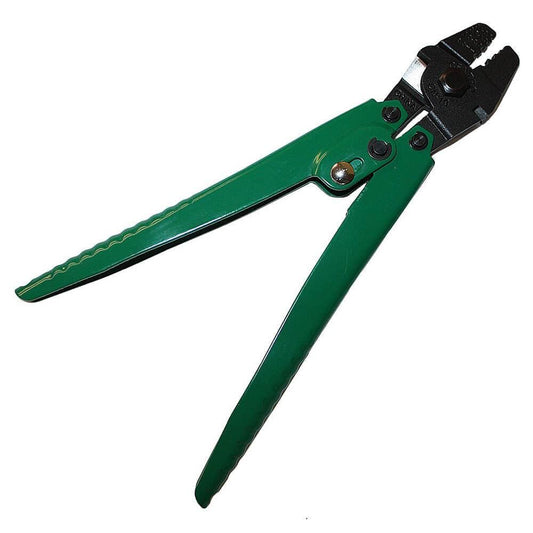
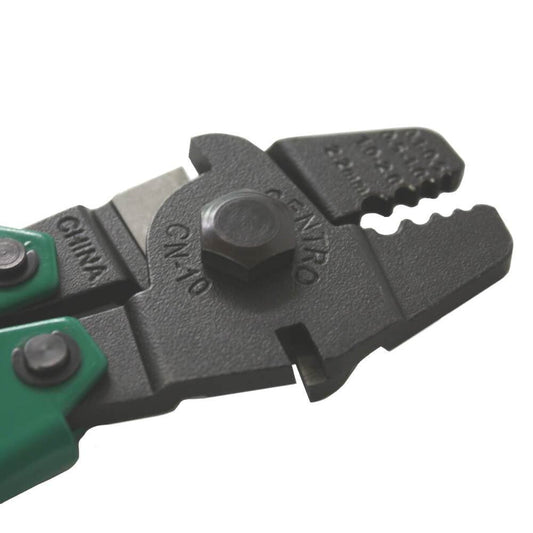
Diamond Crimper
Regular price $46.99 USDRegular price -
 Sold out
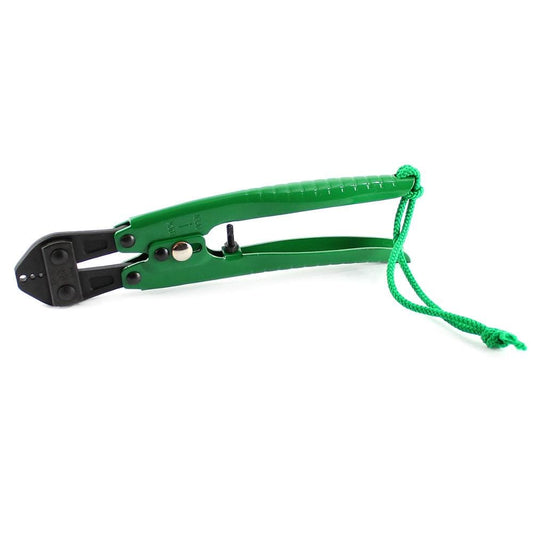
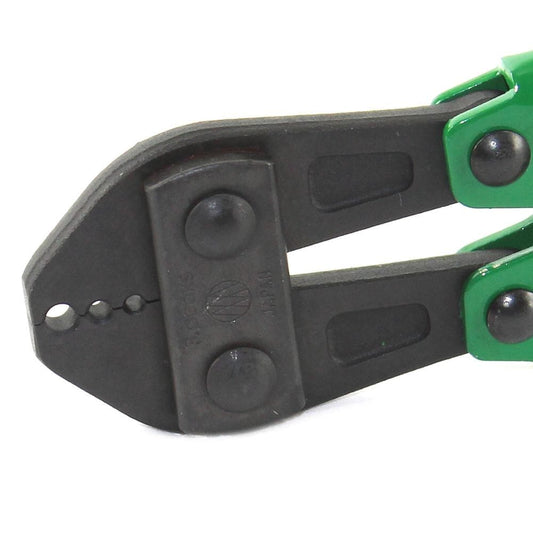
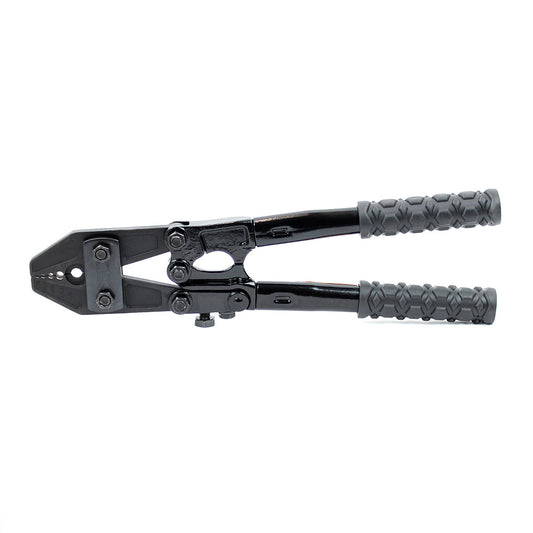
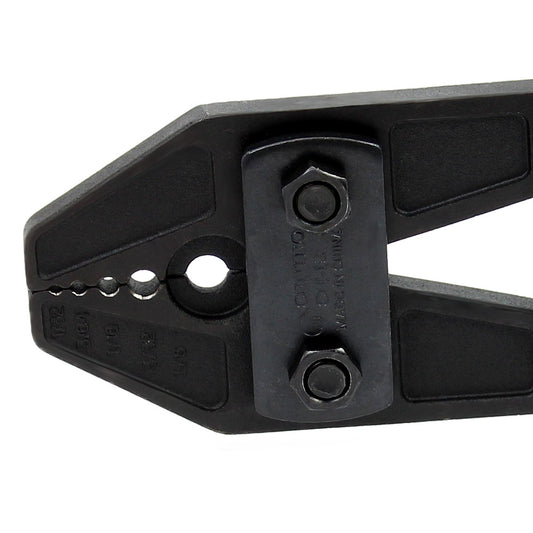
Diamond Premium Hand Crimper
Regular price $67.99 USDRegular price -
 Sold out
Diamond CH18 Heavy Duty Hand Crimper
Regular price $169.99 USDRegular price -
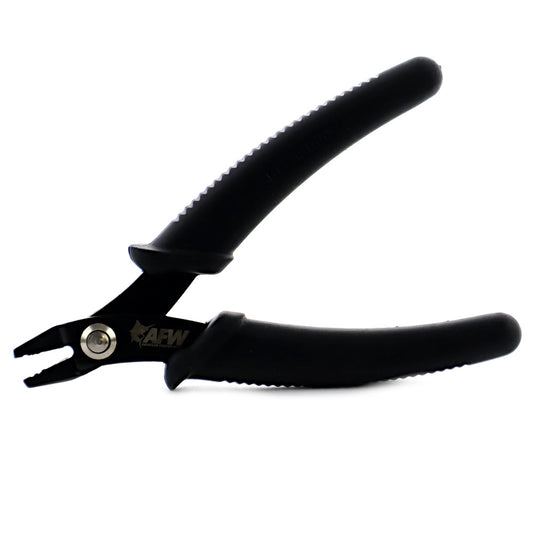
AFW Micro Crimper | Size #0 and #1 Sleeves
Regular price $16.99 USDRegular price -
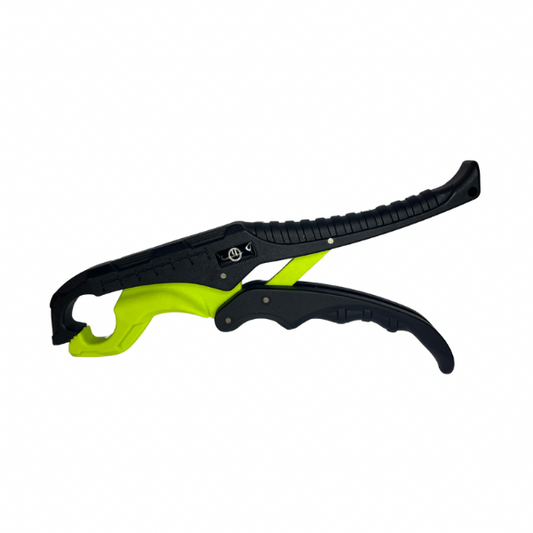
Epic Fishing Lip Gripper
Regular price $14.99 USDRegular price$21.99 USDSale price $14.99 USDSale -
 Sold out
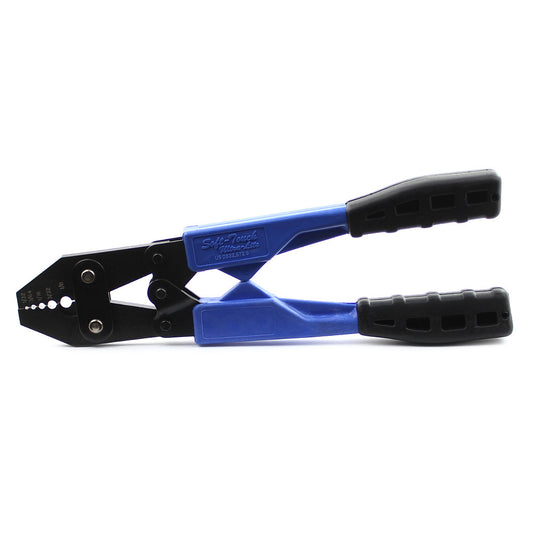
SNL 450H Hand Crimper
Regular price $149.99 USDRegular price -
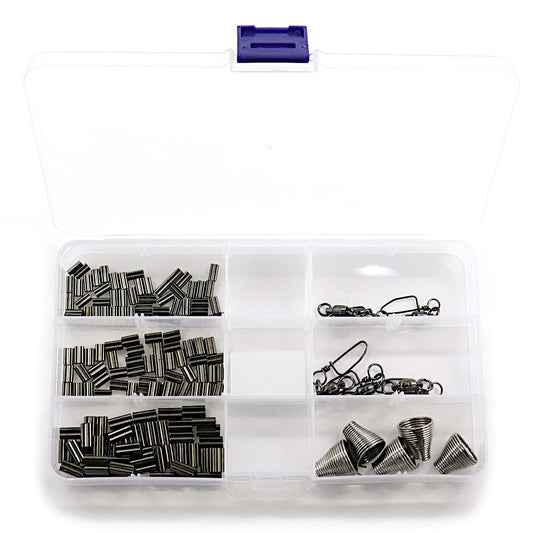
Terminal Tackle Kit | Epic Fishing Co.
Regular price $39.99 USDRegular price$49.99 USDSale price $39.99 USDSale -
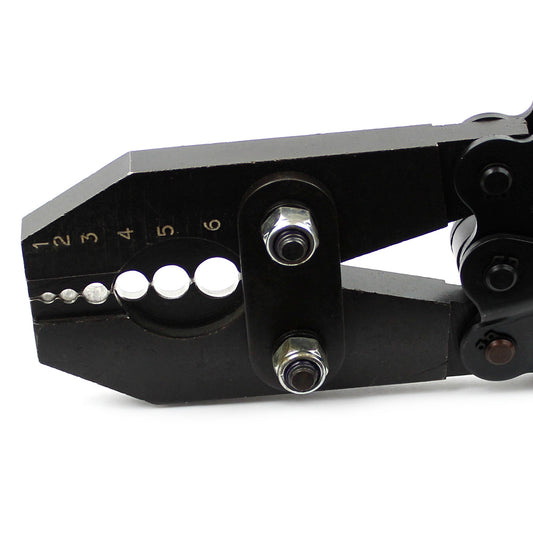 Sold out
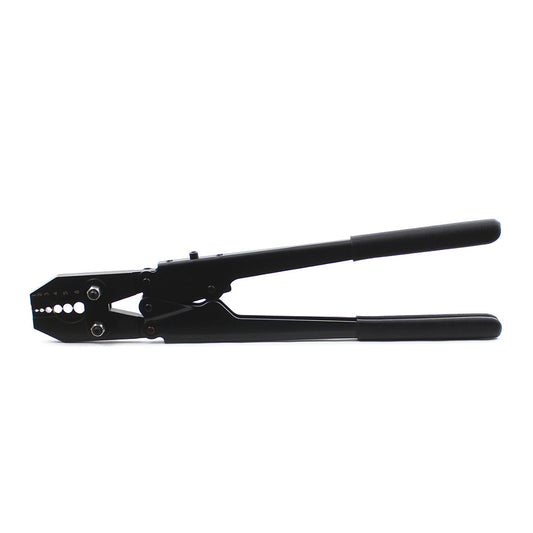
SNL 792H Hand Crimper
Regular price $219.99 USDRegular price
Let customers speak for us
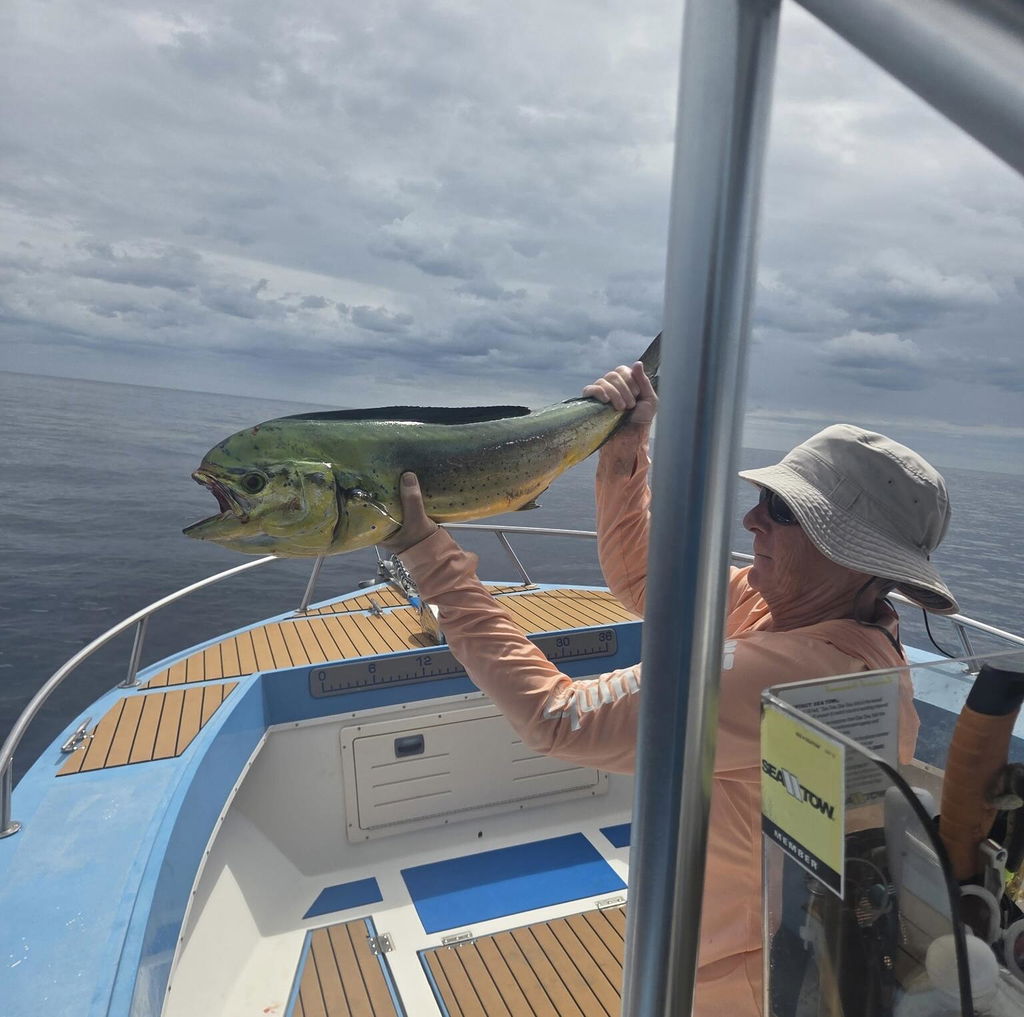
Great material to work with. Got onto fish right away. I’ll be back.
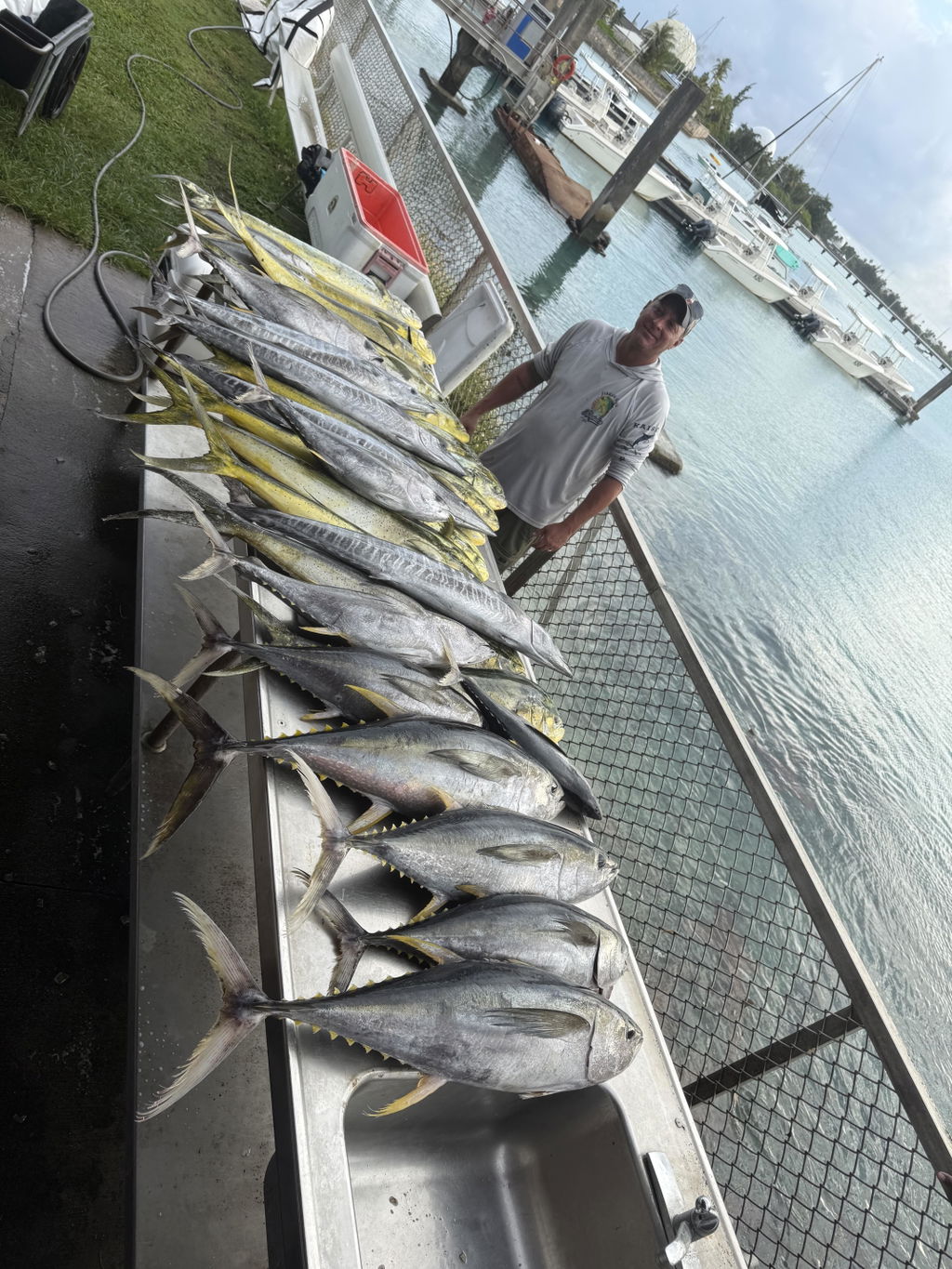
These are great, I got into a nice pile of wahoo and it held up to the test. I have been using these bridals for the last 8 months. Helps keep my Nomad DTX nice and deep. I would have to say I catch the most big game fish using this product.
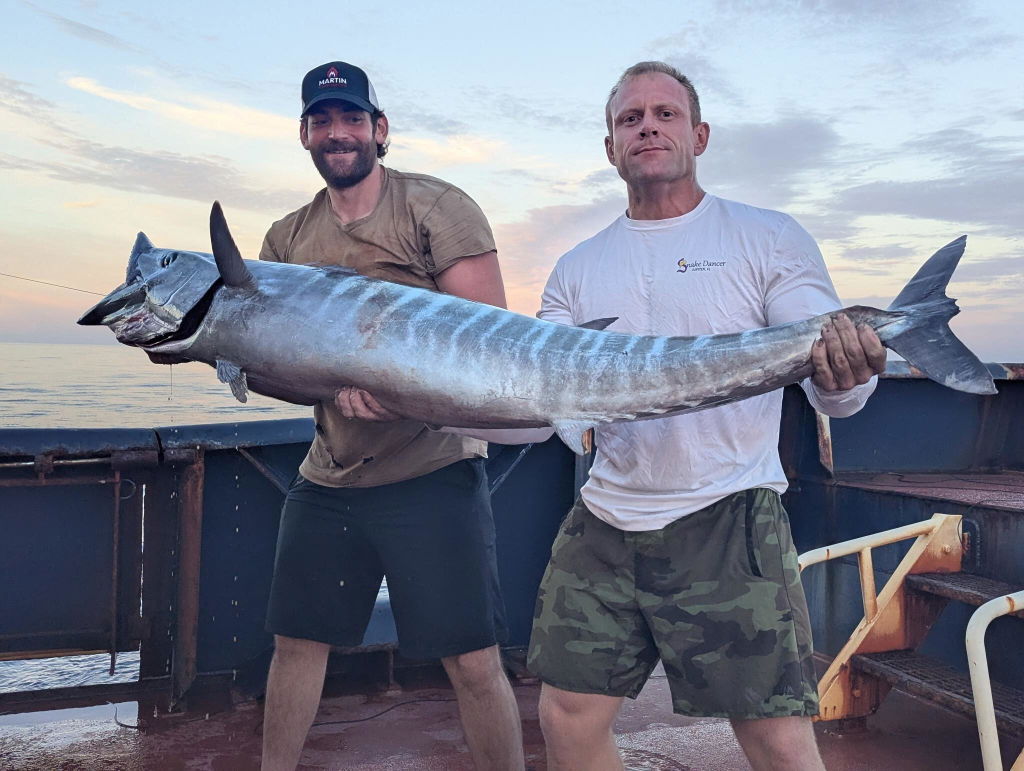
Hey Tim. Thanks for following up. The trolling leads ended up being exactly what we needed. We were targeting wahoo and we had success. My crew and I are not fishing from your ordinary recreational boat. 750'-ish size unit.. These trolling leads aloud us to present our baits perfectly below the propwash and the result ended up being a really good fish.
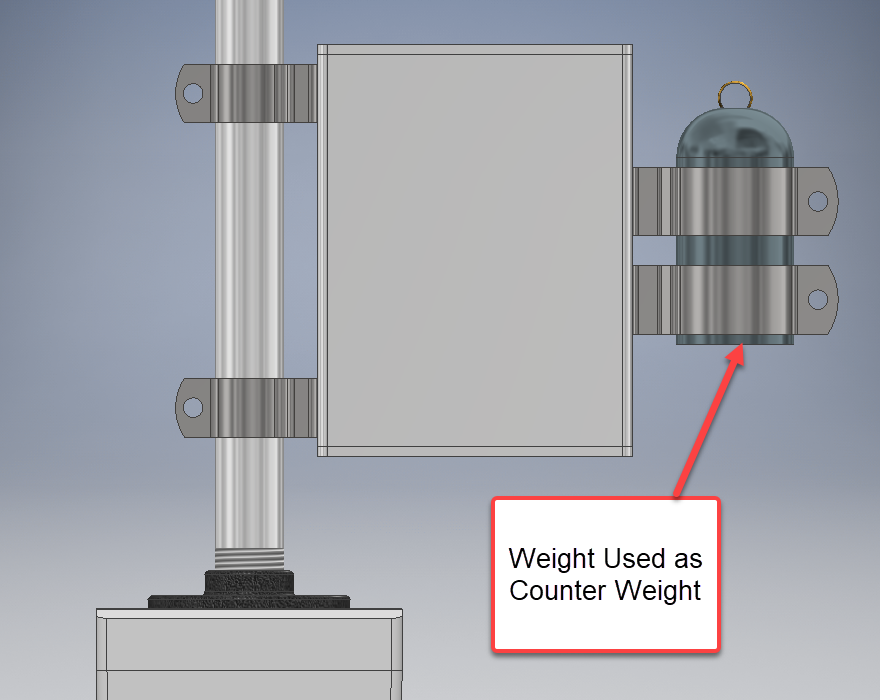
I didn't use the 2 lb weight for the typical usage. It was used as a counter weight near a preamp enclosure to counter the weight of the user enclosure near the top of a 4 foot, 1/2" rigid conduit. The weight worked great for this purpose and wishing you and your company, the best!
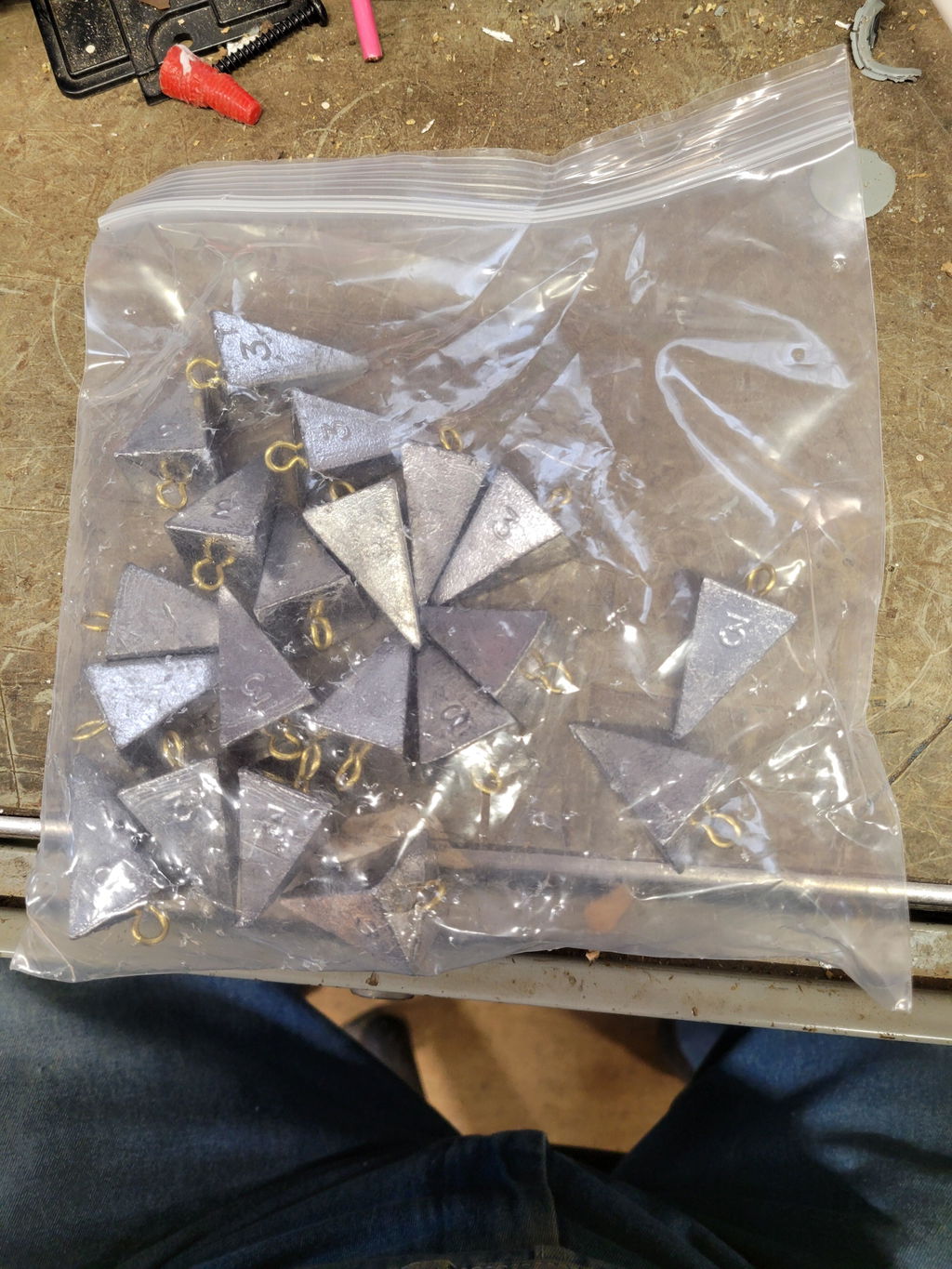
I didn't really know what to expect as I usually get my sinkers at a beachshop. These were better. Clean and new looking as if just pored. Very satisfied with my purchase!
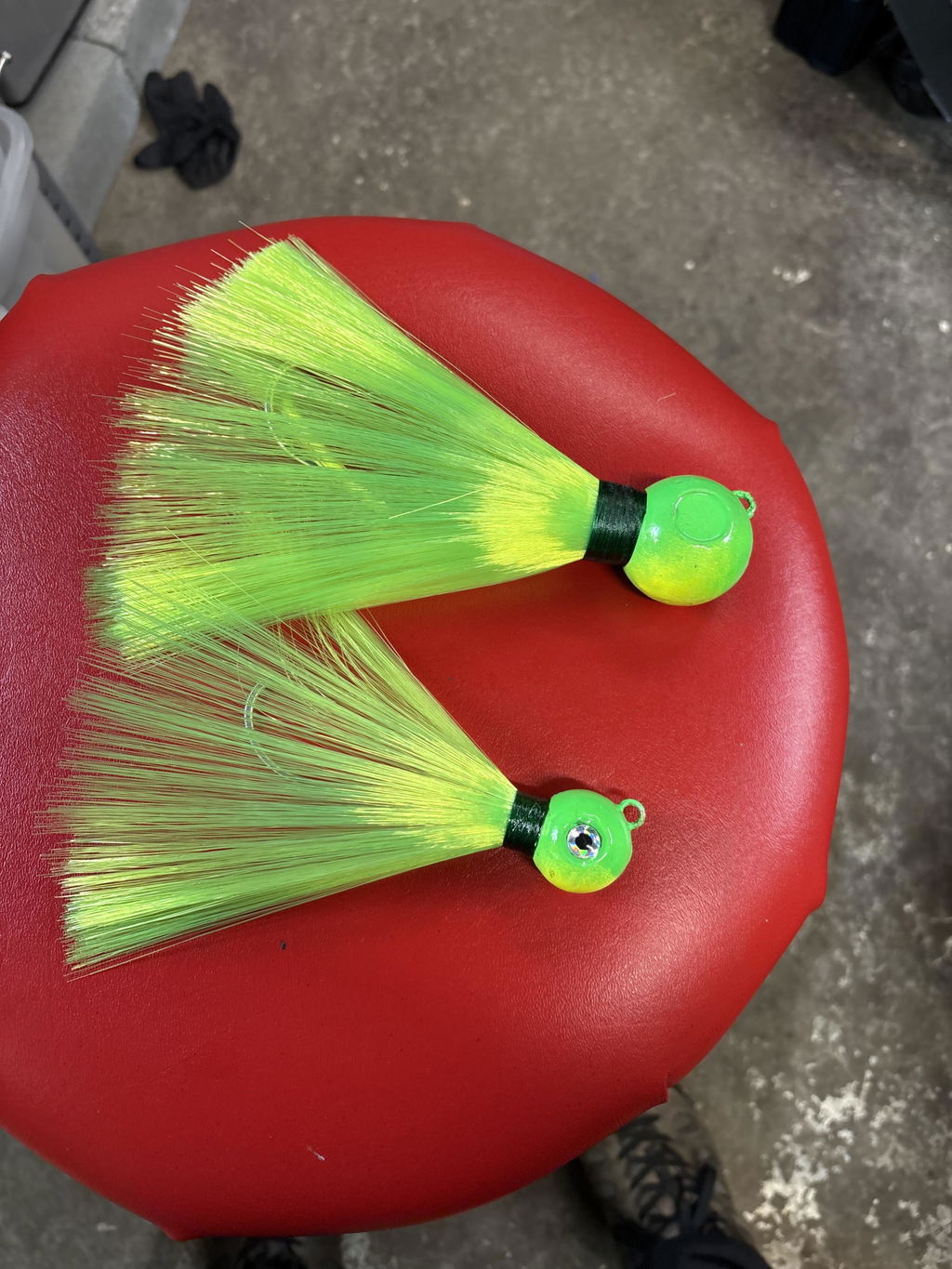
I’m making my own mojo rigs with the hair. It went on beautiful such a nice presentation.
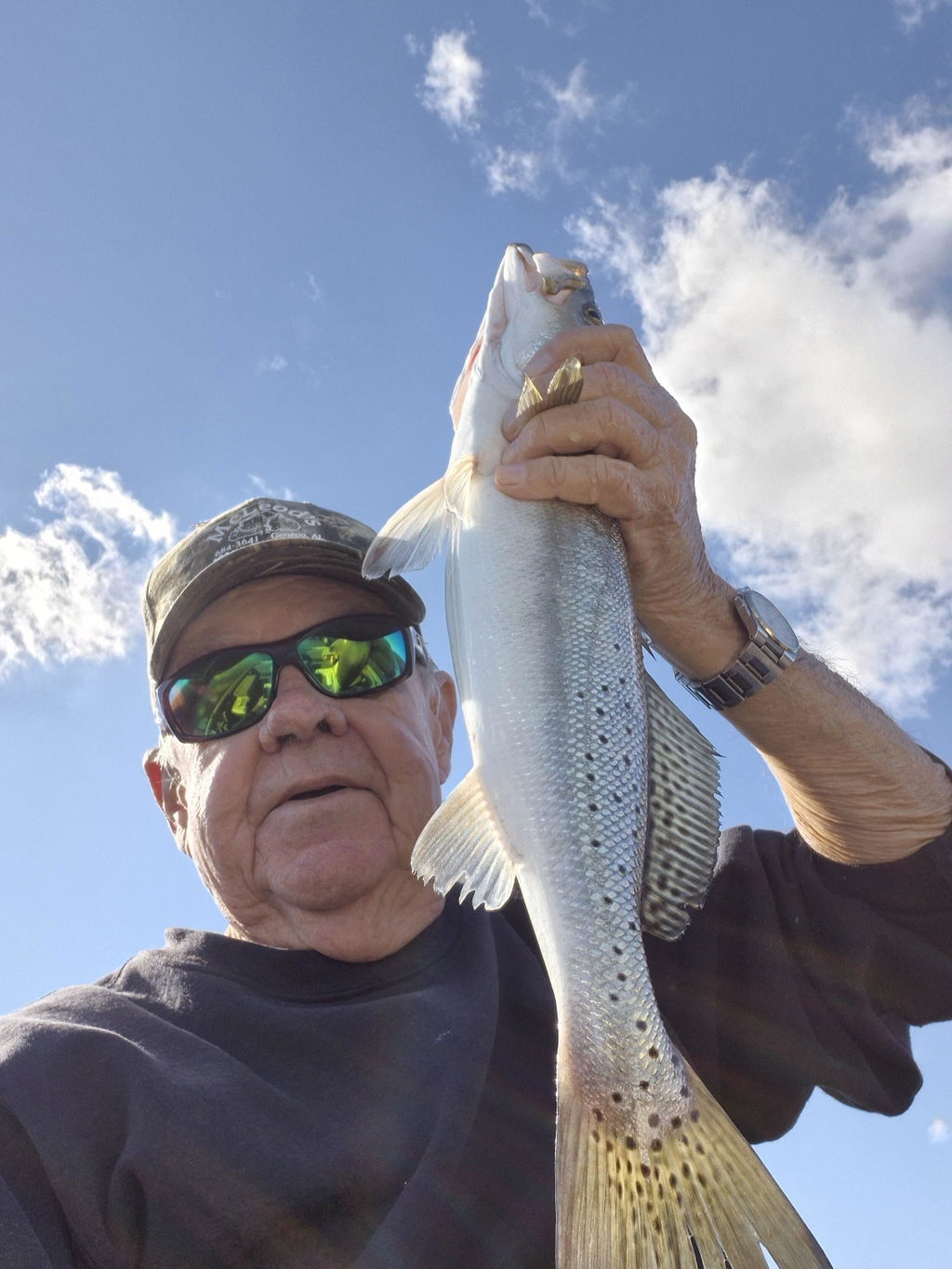
Shipping was quick and reasonable shipping rates.price of merchandise I ordered was below big box stores and more importantly He had it in stock.
I was very sstisfied.
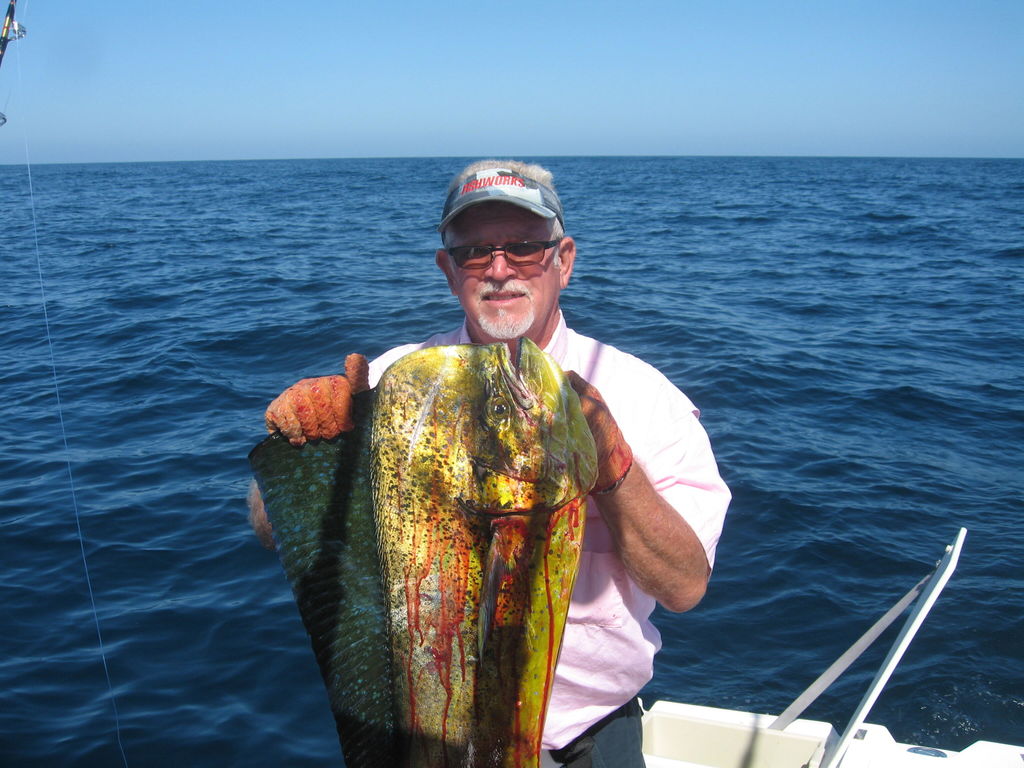
love the set up, I have not rigged them up yet but I can't what to try them on some of my new Lure's, I don't what to miss a FISH this year.
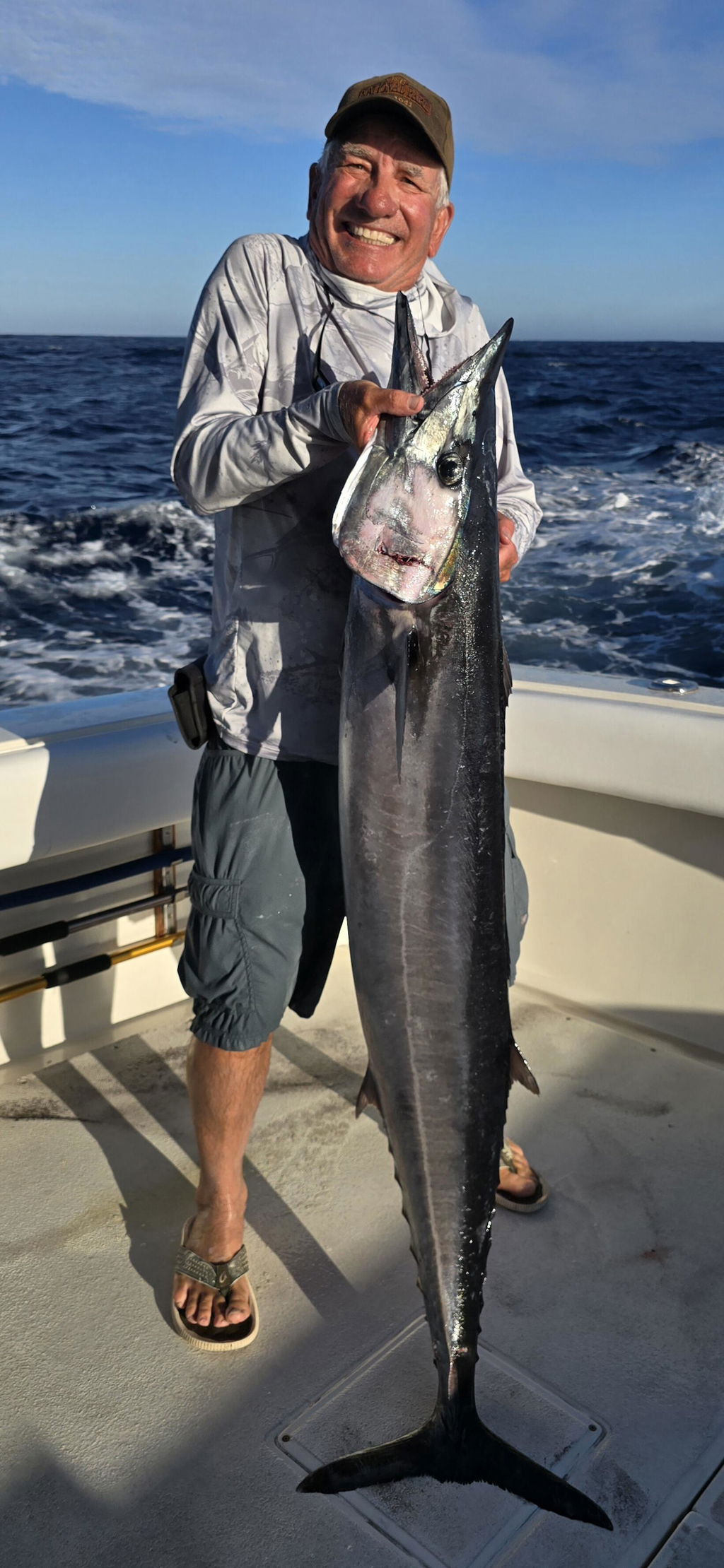
I ordered bulk line and received it in a timely manner.Great company and I will order more fishing tackle as needed..Capt.Tom
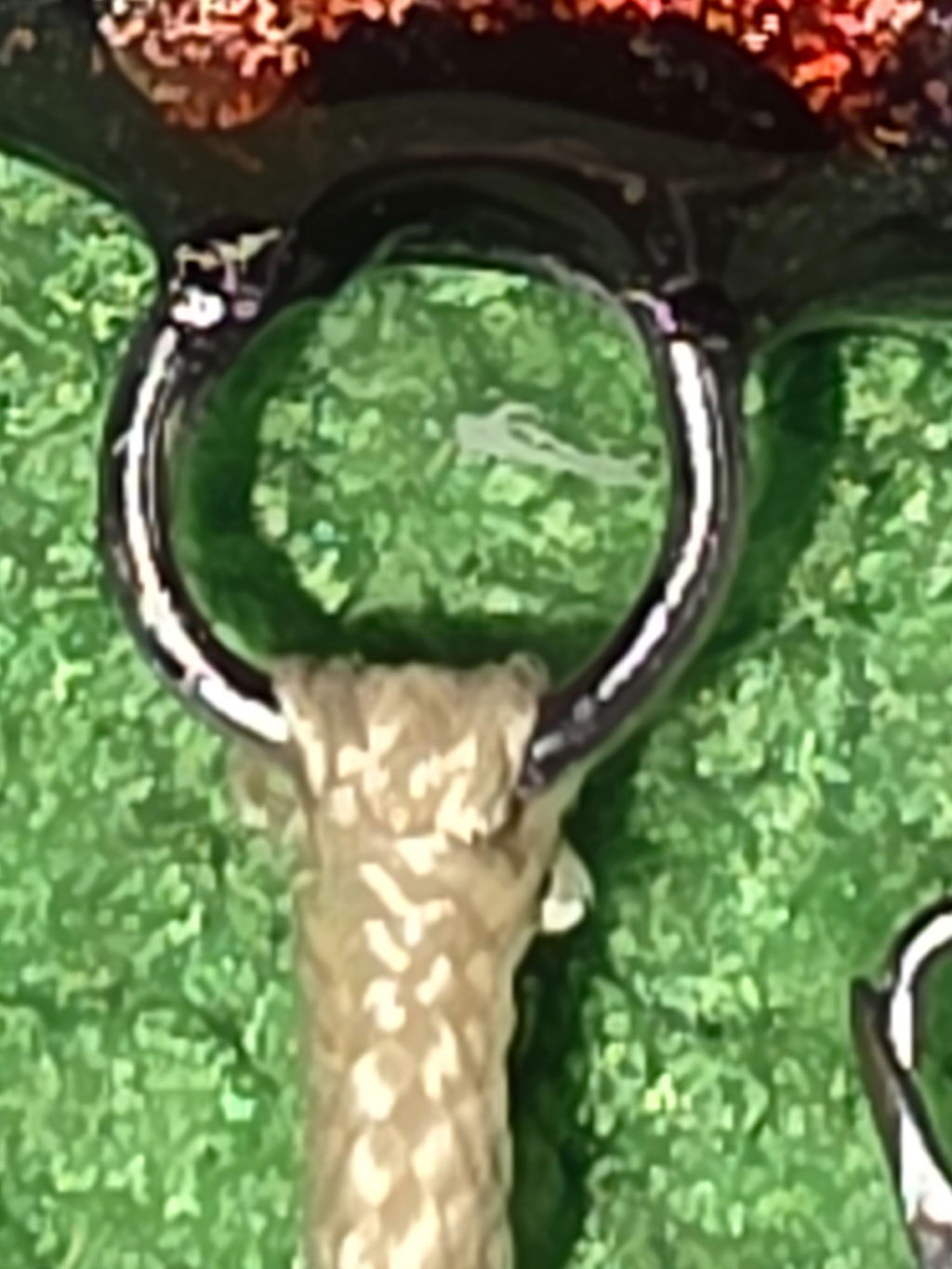
I use it for more then jigs it takes place of circle clips and swivels
Great service and on-time delivery
Even received a phone call mentioning that I had my order placed twice so that I could actually get it straightened out and received exactly what I asked for
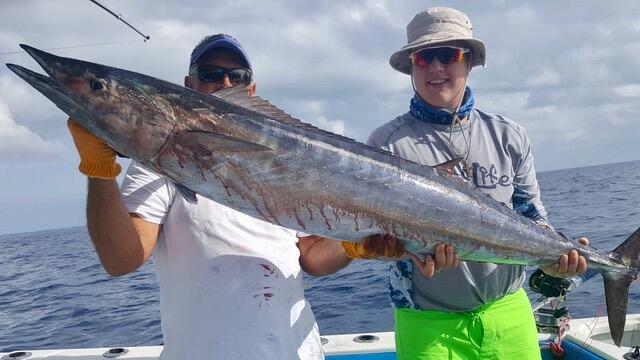
Best UV Sea Witch hair available. Measure out the hair on scale prior to tying. That way it is balanced out. Capt. Ryan Van Fleet Good Karma Sportfishing-Florida Keys. Wahoo love this stuff.

Used this differently than its intended design. I made raft oars counter balances from them. Previously used steel 4lb mounted on the exterior near the grips. These I was able to install into the shaft and at 5lbs was able to get the weight away from the grips. Both oars took about 30 minutes. Another bonus is the seller got the weights to me in 4 days vice 12 Amazon predicted.
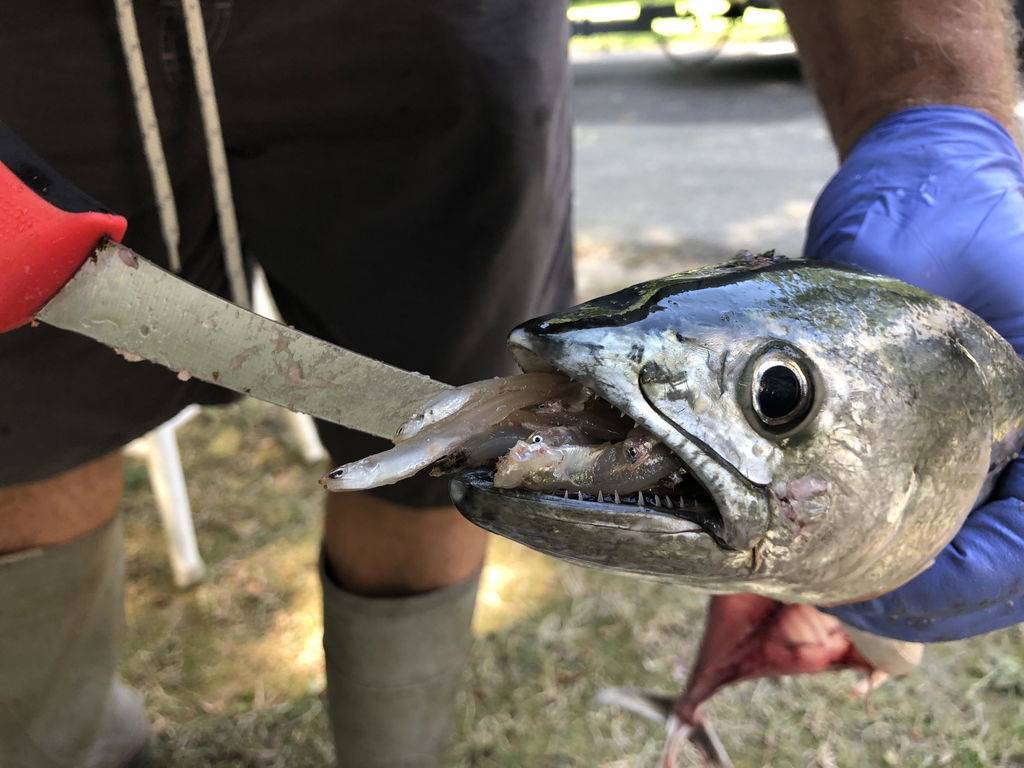
Used these jigs this week and crushed the bonito on the east coast. This is a good bait to mimic the small bait fish in our area. Also great pack for a 2 pack. I bought a few different colors.
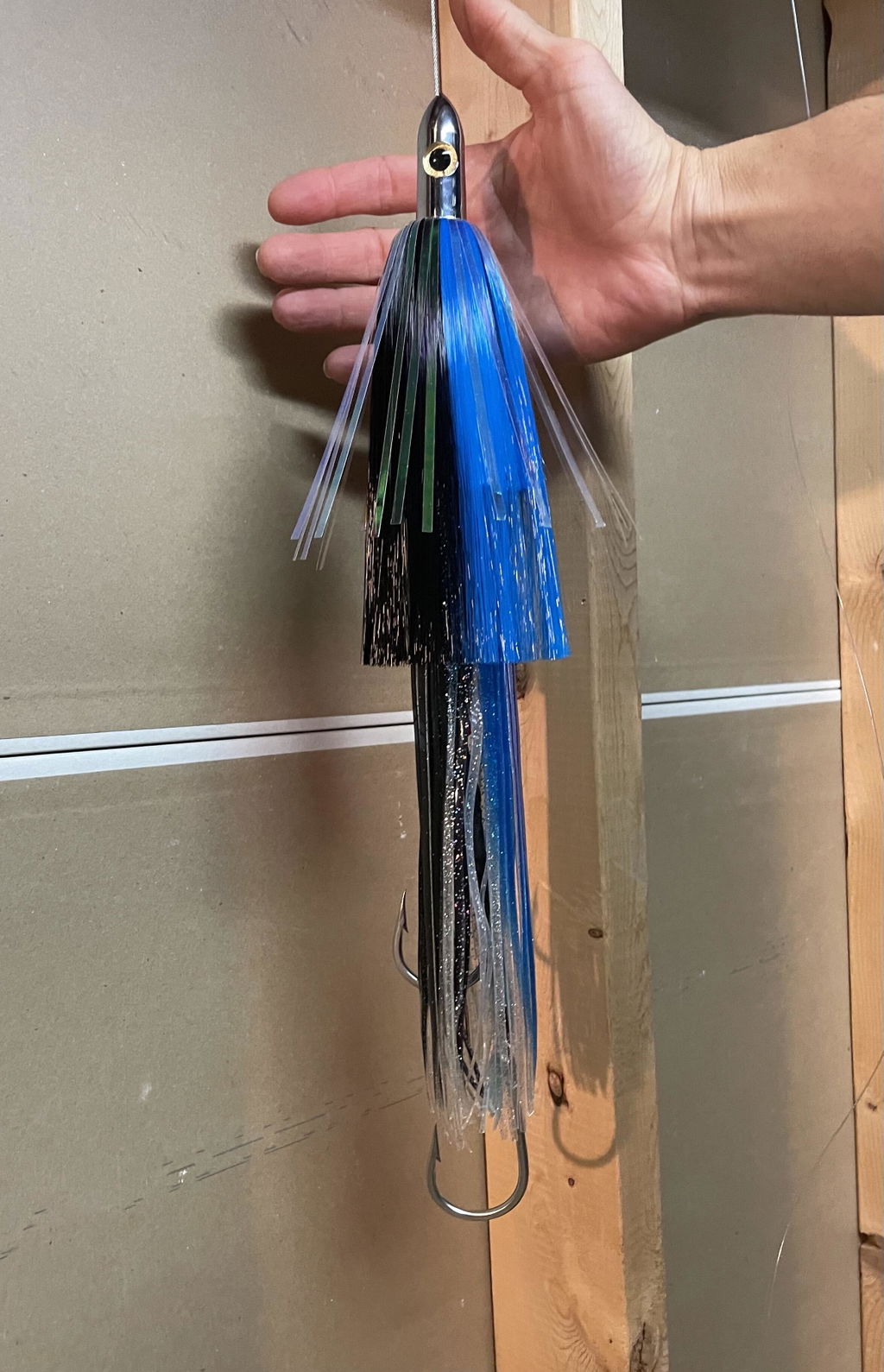
These are the best looking skirts. They’re also effective and durable.