Collection: Fish Hook Removers

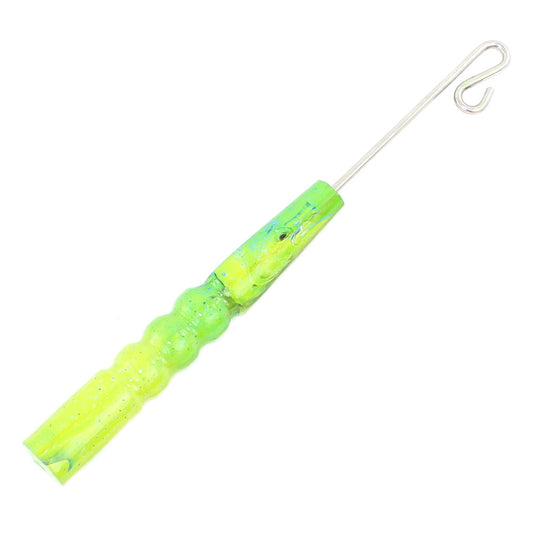
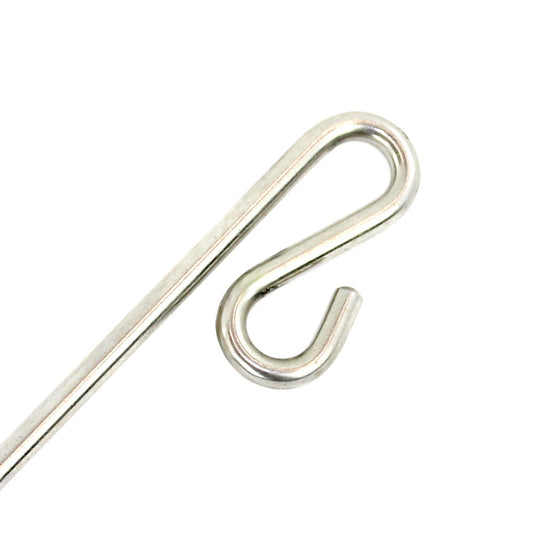
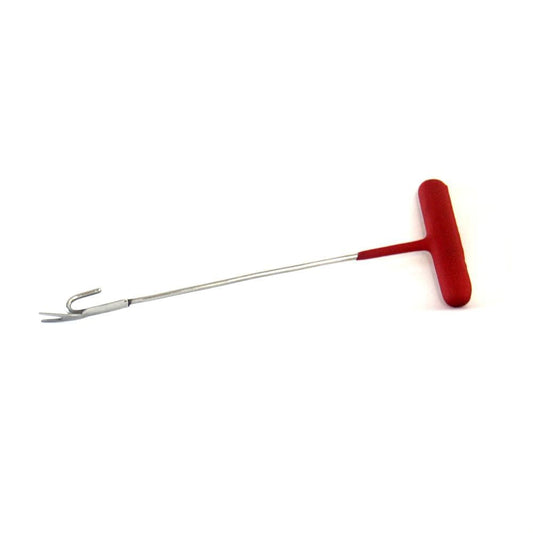
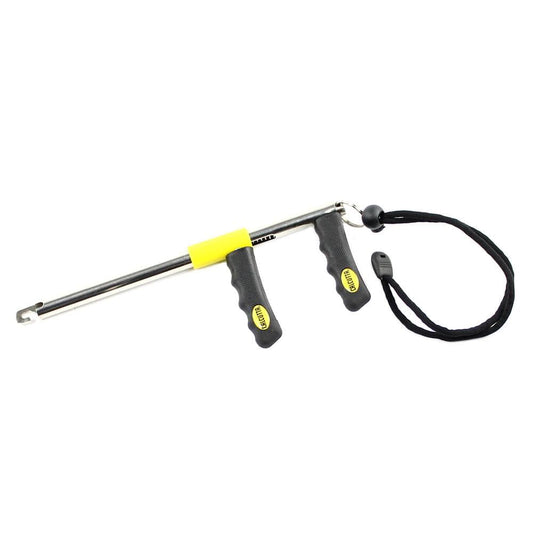
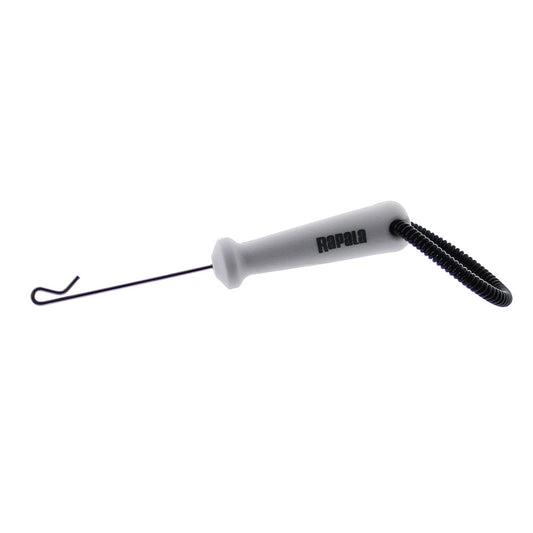
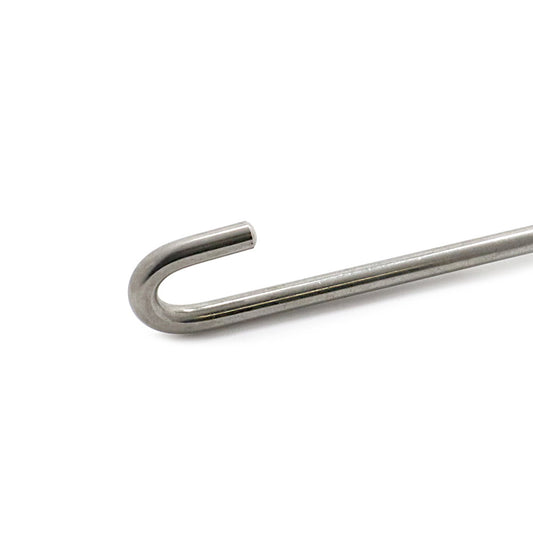
Fish hook removers and dehookers for saltwater catch and release. Every tool here is stainless steel, built to handle corrosion and daily use on the water. We carry sizes from small inshore dehookers for trout and redfish up to commercial-grade extractors for shark and grouper.

How to Use a Fish Hook Remover

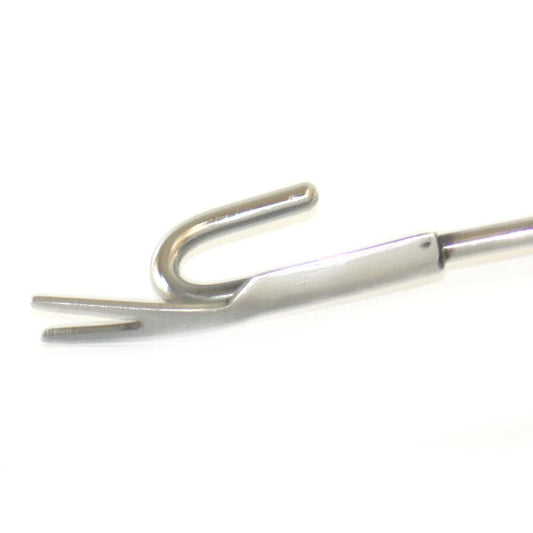
Slide the dehooker shaft down the leader until the tip catches the bend of the hook. Keep tension on the leader with your other hand. Push firmly downward — the hook rotates out of the jaw and the fish drops free. The whole process takes 2 to 3 seconds with circle hooks. For J-hooks and trebles, use fishing pliers instead — they grip better on multi-point hooks.

Gut-Hooked Fish: When to Cut the Leader

If the fish swallowed the hook deep into the throat or stomach, do not force the dehooker. Studies show that cutting the leader and leaving the hook in place results in higher survival rates than attempting deep extraction. The hook corrodes and passes within days. This is especially important for regulated species like red snapper where every fish counts toward your limit of legal releases.

Choosing the Right Size

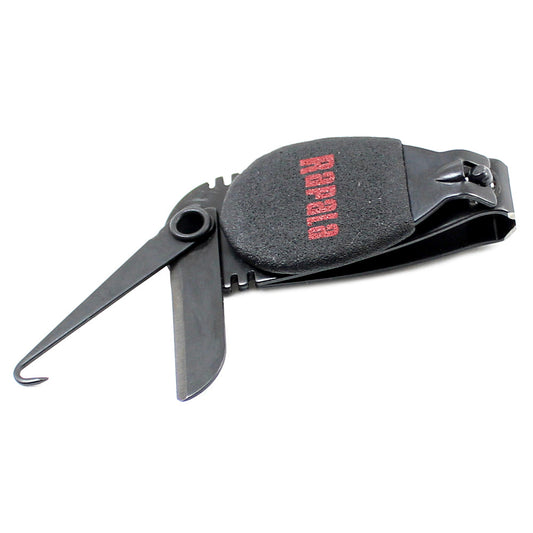
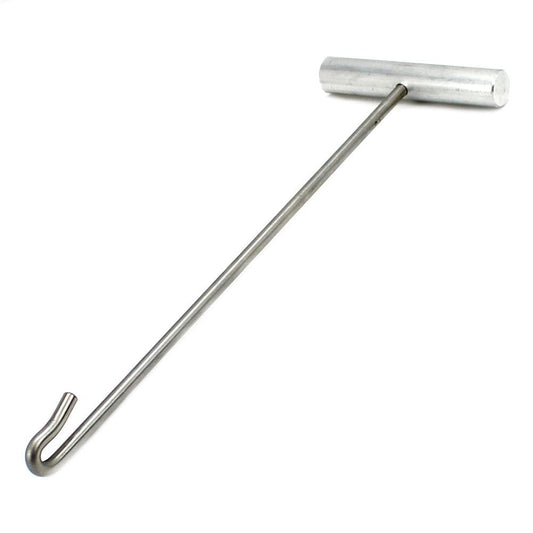
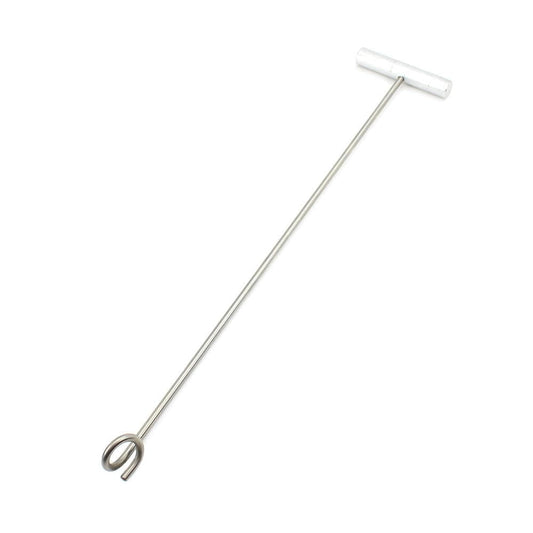
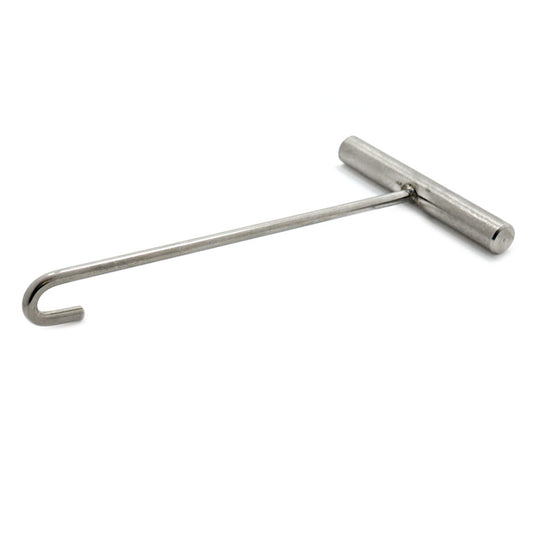
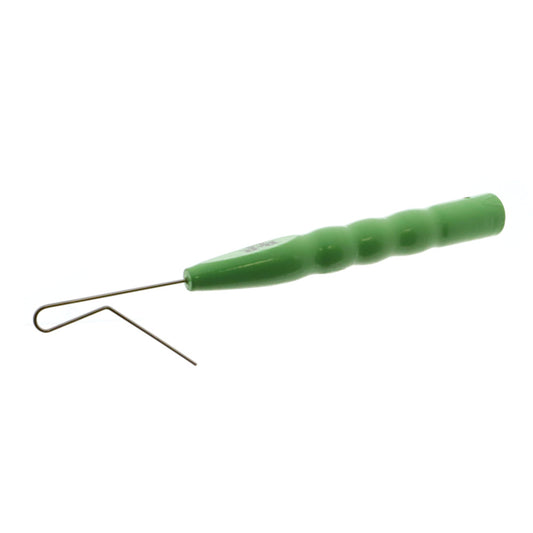
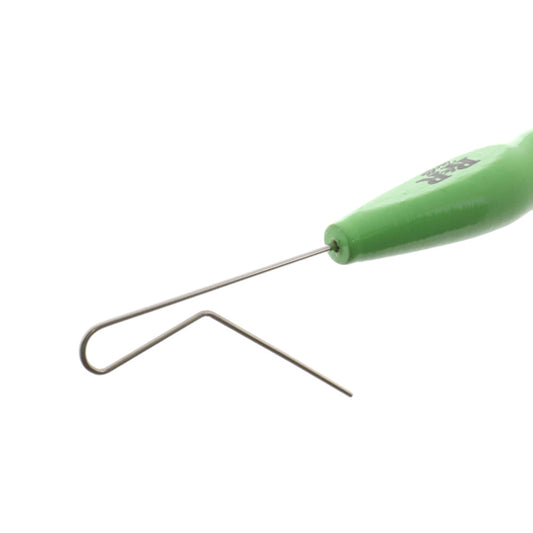
Match your dehooker to your typical hook size. The R&R small dehooker handles hooks up to 5/0 — perfect for inshore circle hooks on redfish, speckled trout, and flounder. The large dehooker covers 6/0 to 10/0 for offshore snapper and grouper rigs. For shark, goliath grouper, or anything with teeth, the SNL commercial-grade dehooker gives you the shaft length to stay clear.

Maintenance

Rinse with fresh water after every trip. Stainless resists corrosion but salt buildup on the tip can affect the hook-catching action over time. Dry before storing. No oil or grease needed.

FAQ - Hook Removers

What size hook remover do I need?

For inshore fish (trout, redfish, flounder), a small dehooker handles hooks up to 5/0. For offshore reef fish and snapper, step up to a large dehooker that works with 6/0-10/0 hooks. Shark fishing? You want a commercial-grade dehooker with a long shaft to keep your hands away from teeth.

How do I use a fish dehooker?

Slide the dehooker down the leader until it catches the hook bend. Give a firm downward push — the hook pops free and the fish swims off. Keep tension on the leader with your other hand. Works best with circle hooks since they set in the corner of the mouth.

Are hook removers required for catch and release?

In many states, yes — especially for regulated species like red snapper where venting tools or descending devices are mandated. Even where not required, a dehooker gets fish back in the water 3-4 times faster than hand removal. Faster release means higher survival rates. Our catch and release guide covers best practices.

What's the difference between a dehooker and fishing pliers?

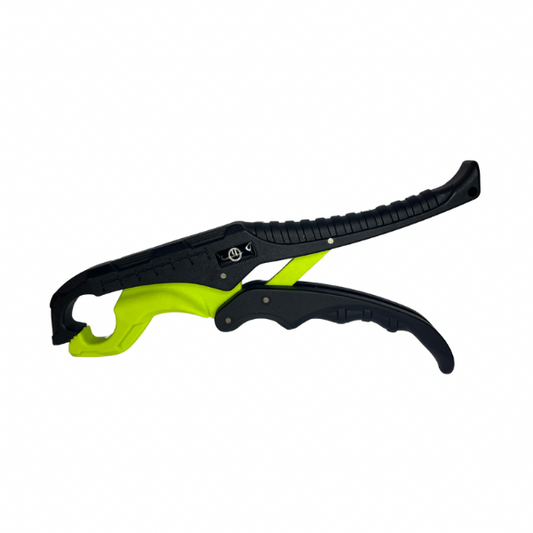
Fishing pliers grip and twist — great for J-hooks and trebles. Dehookers push and pop — faster for circle hooks and single hooks. Most serious anglers carry both. Pliers also cut leader and crimp sleeves, so they're a multi-tool. Dehookers do one thing but do it better.

Do I need a stainless steel hook remover for saltwater?

100%. Anything else corrodes in weeks. All the dehookers we stock are built for saltwater — stainless steel shafts and tips that handle the abuse. Rinse with fresh water after each trip and they'll last for years.

How do I remove a hook that has been swallowed deep?

If the hook is in the throat or stomach, do not force extraction. Cut the leader as close to the hook as possible and release the fish. Research shows fish have significantly higher survival rates when deeply swallowed hooks are left in place — the hook corrodes and passes within a few days. Attempting to pull a gut hook out tears tissue and dramatically reduces survival, especially on species you are required to release like undersized red snapper.

Can I use a hook remover on treble hooks?

Dehookers work best on single hooks — especially circle hooks that set in the corner of the mouth. For treble hooks, use fishing pliers instead. Pliers let you grip and rotate individual points of the treble, which a standard dehooker cannot do. If a treble is barely hooked on one point, you can sometimes pop it with a dehooker, but pliers are the safer and faster tool for multi-point hooks.

Are hook removers required by law for catch and release?

Several states and fisheries require release tools for specific species. In the Gulf of Mexico, NOAA mandates that reef fish anglers carry a venting tool or descending device to release fish suffering from barotrauma. While a dehooker is not the same as a descending device, carrying one demonstrates compliance with the spirit of catch-and-release regulations. Florida, Alabama, Mississippi, Louisiana, and Texas all have species-specific release tool requirements. Check your local regulations before heading out.

How do I prevent a hook remover from slipping off the hook?

Two things: keep tension on the leader and push, do not pull. The most common mistake is trying to yank the hook out. Dehookers are designed to push the hook point back through the entry hole. Slack leader lets the dehooker tip slide off the bend. If you are having consistent trouble, check that your dehooker tip matches your hook gauge — using a large dehooker on small thin-wire hooks can cause slipping. The small R&R dehooker has a tighter slot for light-wire inshore hooks.

What is the fastest way to dehook fish on a hot bite?

Set up a rhythm: reel in, lip the fish or hold the leader taut over the rail, slide the dehooker down, pop, fish drops. With practice you can release a circle-hooked fish in under 3 seconds without lifting it out of the water. On a snapper or grouper bite where the school can move off if you slow down, that speed matters. Keep the dehooker in a rod holder or lanyard within arm's reach — fumbling through a tackle bag kills your pace.

How to Choose a Hook Remover

A good dehooker saves fish and saves time. On a hot snapper bite with a limit to fill, you don't want to spend 30 seconds hand-wrestling each hook. You want a clean pop and the fish back in the water in under 5 seconds. That speed matters for survival rates too, especially in deep water where barotrauma is a factor.

Match your dehooker to your hook size. The R&R small dehooker is perfect for inshore circle hooks up to 5/0, covering everything from speckled trout to slot redfish. Step up to the large version for offshore bottom fishing where 7/0-9/0 hooks are standard on snapper and grouper rigs. For shark or big grouper work, the SNL commercial grade gives you the shaft length to keep your hands well clear of teeth and spines.

Pair your dehooker with a good set of fishing pliers and you're covered for any hook situation on the water. The dehooker handles routine circle hook releases; pliers handle treble hooks, deeply set J-hooks, and cutting leader when a release tool can't reach.

One thing people overlook: practice the motion on deck before you need it under pressure. The first time using a dehooker shouldn't be with a 30-lb grouper thrashing at the rail and your mate yelling to hurry up. Our catch and release guide walks through proper technique.