
Cuban Yo-Yo Fishing Reel: How to Use a Handline Reel
Somewhere between a rod and reel and just wrapping line around a stick, there's the Cuban yo-yo. It's a flat, round handline reel that's been catching fish in the Caribbean for decades, and it works just as well off a pier in Morehead City as it does off a dock in Havana. No rod, no reel seat, no guides, no drag system. Just line, leader, a hook, and your hands.
The Cuban yo-yo won't replace your rod and reel. But for $5, it earns a permanent spot in your tackle bag. It's the ultimate backup plan, the best kid-friendly fishing tool ever made, and a genuinely effective way to catch fish when you want to keep things simple.
What Is a Cuban Yo-Yo?

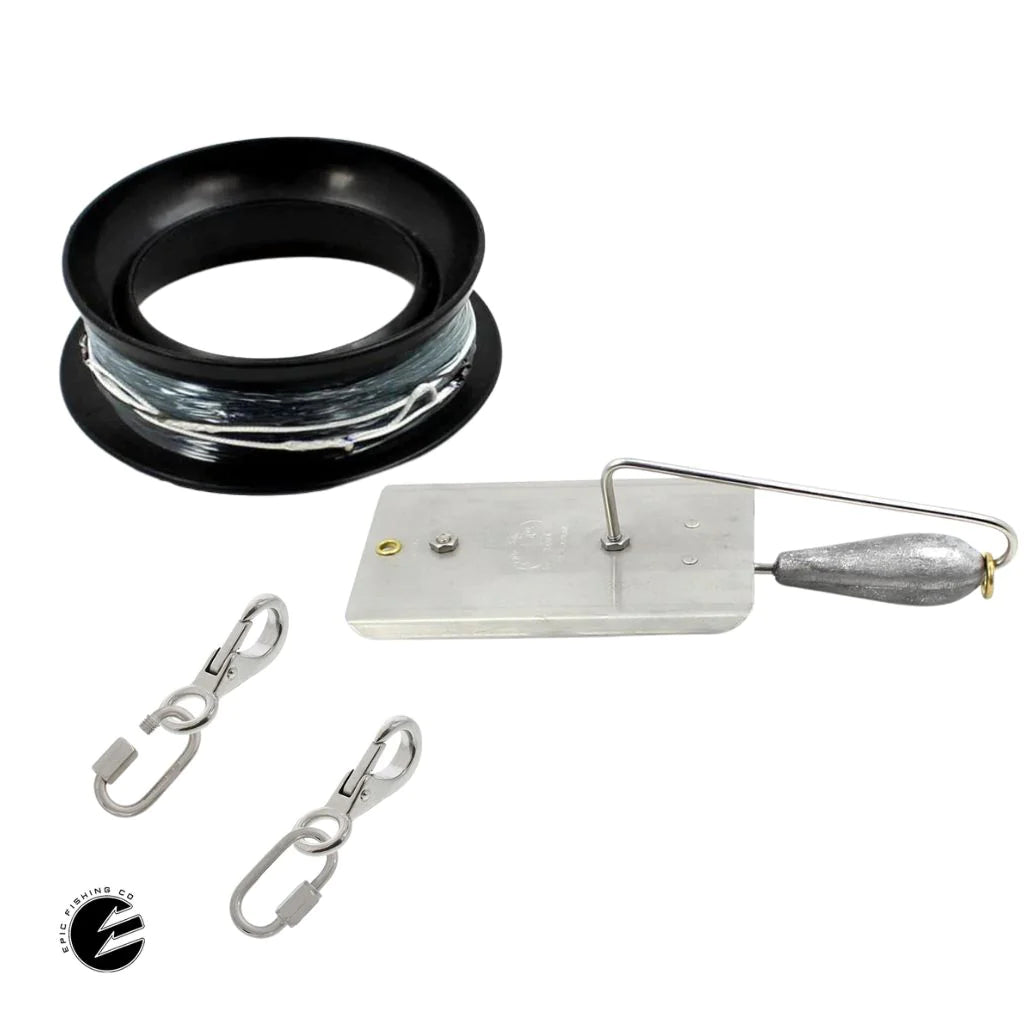
A Cuban yo-yo handline reel is a round plastic disc, usually 6 to 8 inches in diameter, with notches around the perimeter for wrapping fishing line. You wind line around the outside, attach your terminal tackle, and cast by spinning the disc and releasing it toward the water. The line unwinds off the disc as it flies. To retrieve, you simply wind line back onto the disc by hand.
That's it. There are no moving parts, no bearings, no bail, no handle to crank. The Cuban yo-yo and the slightly larger 7-inch handline reel both follow this same dead-simple design. The larger version holds more line and gives you a wider grip for fighting bigger fish.
The beauty is in what's missing. Nothing to break, nothing to corrode, nothing that needs maintenance. Rinse it off when you're done and toss it in your bag. You can throw one in a truck toolbox, a kayak hatch, a camping pack, or a suitcase and forget about it until you need it.
How to Rig a Cuban Yo-Yo
Rigging a handline reel takes about two minutes. Here's the setup that works for most pier, dock, and shore situations:
Main line: Wind 50-100 yards of 20-30lb braided line like Diamond Braid Gen III 8X onto the disc. Braid is the better choice over mono here because it packs tighter on the disc, doesn't hold memory coils, and gives you more line capacity on a small frame. Tie the tag end to one of the inner notches of the yo-yo so the line doesn't slip.
Leader: Tie a 2 to 3-foot section of 20-30lb Momoi monofilament leader or Diamond Illusion fluorocarbon to the end of your braid using a double uni knot or Alberto knot. The leader gives you abrasion resistance against structure, teeth, and rough surfaces - all things you'll encounter fishing piers and bridges. If you're targeting toothy fish like mackerel or bluefish, add a short piece of wire between the leader and the hook.
Terminal tackle: Keep it simple. A Mustad 3407DT hook in 1/0 to 4/0 covers most species you'll target on a handline. Thread on an egg sinker (1/2 to 2 oz depending on current) above the leader connection to get your bait down. For bottom fishing from a pier or bridge, a pyramid sinker on a dropper loop holds bottom better in current.
For live bait, a Gamakatsu Live Bait Hook in 1/0 to 3/0 with a needle point penetrates cleanly and holds bait better than a standard J-hook. Hook a shrimp through the horn, a pinfish through the back, or a finger mullet through the lips and you're fishing.
How to Cast a Cuban Yo-Yo
This is the part that scares people. It shouldn't. Casting a Cuban yo-yo is simple once you get the motion down.
Step 1: Hold the disc in your dominant hand with the weighted terminal tackle hanging about 3 feet below. Make sure your line is unwound enough to give you the length you want to cast - typically 30-50 feet.
Step 2: Spin the disc. The motion is an underhand or sidearm throw where the disc rotates as it leaves your hand, sending the sinker and bait arcing out over the water. The line unwinds off the spinning disc as the rig flies. Think of throwing a frisbee with a weight attached. Your wrist does most of the work.
Step 3: Let the rig sink to your target depth. Hold the yo-yo in one hand and feel the line with the other. When you feel a bite, set the hook with a sharp pull of the line, then begin hand-over-hand retrieval, winding line back onto the disc as you bring the fish in.
You won't cast 100 yards. Expect 20-50 feet on a good throw, maybe more with practice and a heavier sinker. That's fine. Most of the fish you're targeting with a handline are directly below you or within short casting distance.
The retrieve is where handline fishing actually has an advantage. You feel every vibration, every head shake, every run directly through the line on your fingers. There's no rod flex absorbing the fight, no drag washer smoothing out the run. It's raw, and fish feel bigger on a handline because of it. A 3lb sheepshead on a Cuban yo-yo is an absolute blast.
Best Applications for a Cuban Yo-Yo
Browse 30+ products
Browse CollectionPier fishing is where the Cuban yo-yo shines brightest. Drop a bait straight down over the rail and you're fishing pilings for sheepshead, black drum, and mangrove snapper. No rod holder needed, no bulky gear to carry. Just lean on the rail with a yo-yo in hand. Our pier fishing guide covers more techniques for working structure from above.
Bridge fishing follows the same logic. Bridges over tidal creeks and inlets concentrate fish around structure, and dropping a bait straight down from 15-30 feet up is exactly what a handline does best. Sheepshead, flounder, snapper, and drum all stack up around bridge pilings in the right conditions.
Kayak fishing is another natural fit. Space on a kayak is limited, and a Cuban yo-yo takes up about as much room as a sandwich. Keep one rigged with a Gotcha plug or small Ahi Diamond Jig as a backup for when you paddle into a school of mackerel or bluefish. It's also great for bottom fishing while anchored up without dealing with a second rod. Our kayak fishing guide covers more on rigging a kayak for maximum versatility.
Travel and survival. If you're heading to a beach vacation and don't want to lug rod tubes on a plane, throw two Cuban yo-yos and a small tackle kit in your suitcase. Total weight: under a pound. Total cost: under $15. You'll be able to fish off any dock, pier, jetty, or beach you find. Same goes for camping trips near the coast - a handline reel in your pack gives you a fishing option without the bulk.
Kids. This might be the best use case of all. Hand a 6-year-old a rod and reel and you'll spend half the trip untangling backlashes and re-tying knots. Hand them a Cuban yo-yo with a pre-rigged sabiki or a single baited hook and they can actually fish independently. The tactile feedback of line on fingers keeps kids engaged better than watching a rod tip.
Species You Can Target
Don't underestimate what a Cuban yo-yo can handle. With 30lb braid and a decent leader, you can land surprisingly capable fish. Common targets include:
- Sheepshead - perfect yo-yo species. They live around pilings and eat fiddler crabs and shrimp dropped straight down
- Mangrove snapper - same deal, structure-oriented and respond to vertical presentations
- Spanish mackerel - cast a jig or Gotcha plug into a feeding school from a pier
- Pompano - drop sand fleas or shrimp on a bottom rig from the surf or a pier
- Black drum - bridge and pier pilings with shrimp or crab
- Flounder - bounce a jig tipped with cut bait along the bottom near bridge or dock shadows
- Bluefish - they'll eat anything, and fighting them on a handline is pure chaos
- Small grouper - drop a live pinfish around nearshore structure from a kayak
I wouldn't target anything over about 15 lbs on a standard Cuban yo-yo. The line capacity and your hand strength set the upper limit. But for fish in the 1-10 lb range, a handline is surprisingly capable. The direct feel of the fight makes these fish feel twice their size.
Tips for Better Handline Fishing
- Use braid, not mono. Monofilament holds coils from the disc and won't cast well. Braid lays flat and pays out smoothly.
- Wear a glove on your line hand. A tight-running fish will burn your fingers fast on braid. A leather work glove or fishing glove protects your hands and gives you better grip.
- Pre-rig multiple yo-yos. At $5 each, buy 3 or 4. Rig one with a bottom rig, one with a jig, one with a sabiki for bait catching. Swap between them instead of re-rigging.
- Add a snap swivel. Tie a snap swivel to the end of your leader so you can quickly swap between hooks, jigs, and lures without re-tying.
- Use heavier sinkers for casting distance. A 2 oz sinker casts much farther than a 1/2 oz. If you need to reach structure or a deeper channel, go heavier.
- Wrap line neatly. Sloppy line wraps cause tangles on the cast. Take 10 extra seconds to wind line evenly and tight around the disc.
The Cuban yo-yo is fishing stripped down to its core - you, some line, a hook, and a fish. There's nothing between you and the fight. It's the cheapest, most portable, most reliable fishing tool you can own, and it catches more species than most anglers expect. For surf fishing situations, our surf fishing guide covers complementary techniques you can pair with a handline setup.
Toss one in your bag. You'll be surprised how often you reach for it.