

Fighting Belts & Stand-Up Harnesses for Offshore Fishing
Aluminum gimbal plates. Stainless steel hardware. Contoured padding that distributes the load across your hips and thighs. Built for drawn-out fights with marlin, tuna, and everything in between.
Shop Fighting Belts & Harnesses
-
 Sold out
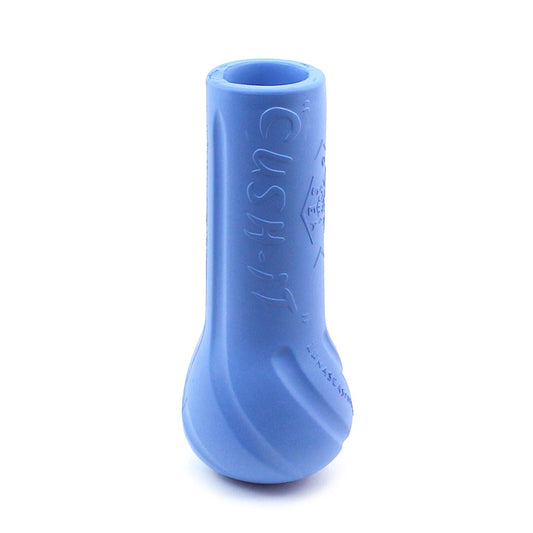
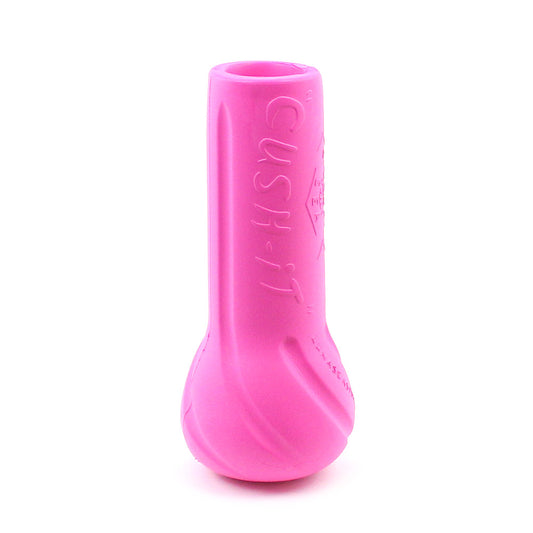
Cush It by Luna Sea Sports
Regular price From $25.99 USDRegular price -
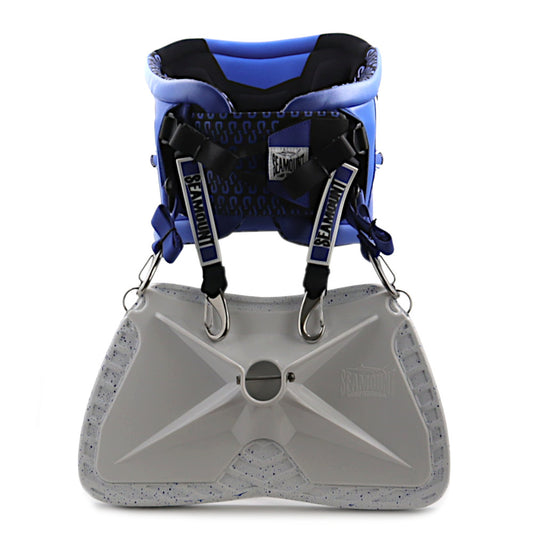
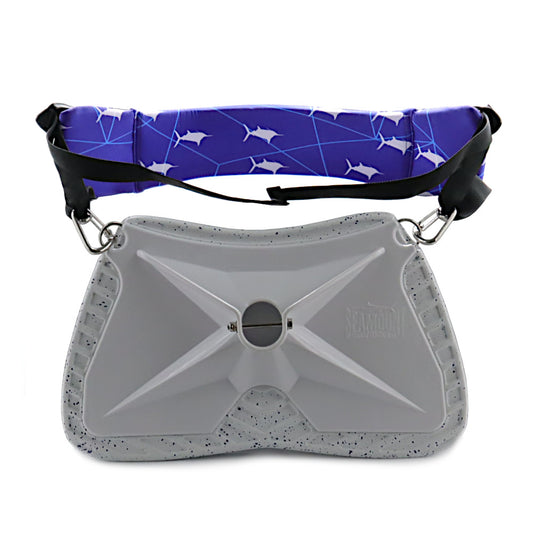
Seamount Fish Fighting Belt - Padded Offshore Gimbal Belt - Tuna Marlin Swordfish
Regular price $179.99 USDRegular price -
 Sold out
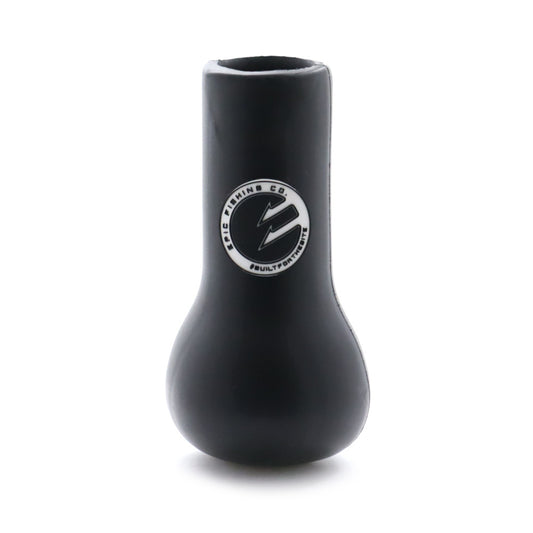
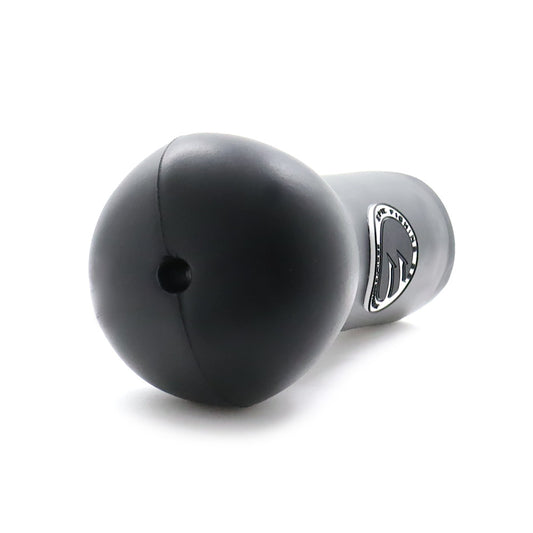
Foam Rod Cushion | Epic Fishing Co.
Regular price From $12.99 USDRegular price -
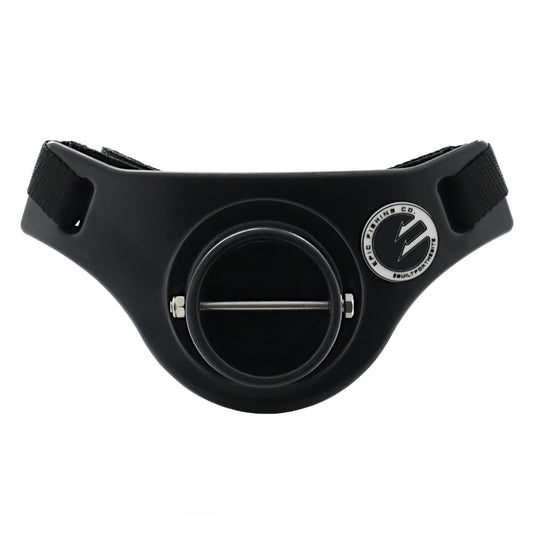
Lightweight Fighting Belt | Epic Fishing Co.
Regular price $19.99 USDRegular price$25.00 USDSale price $19.99 USDSold out -
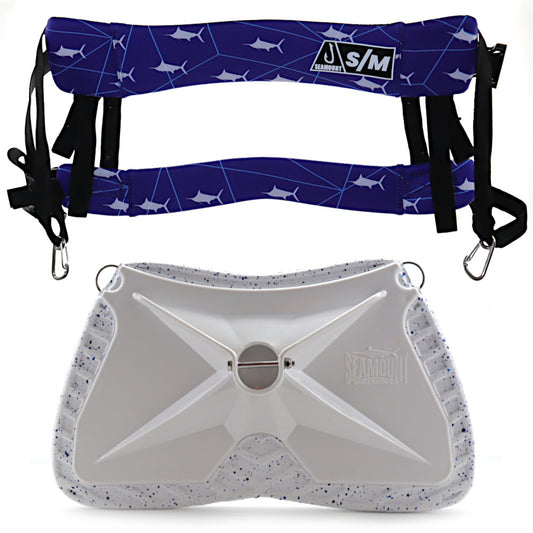
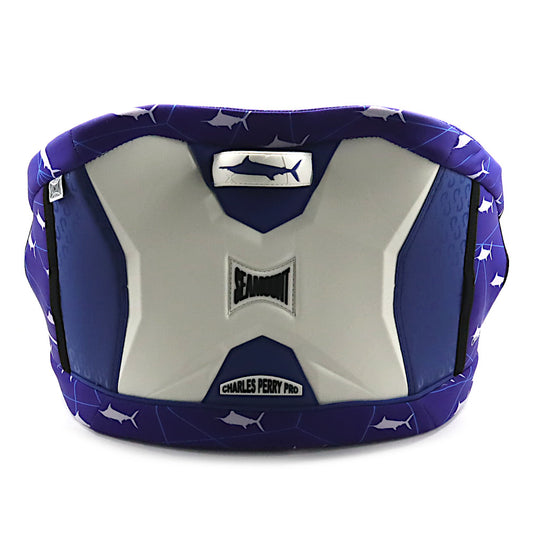
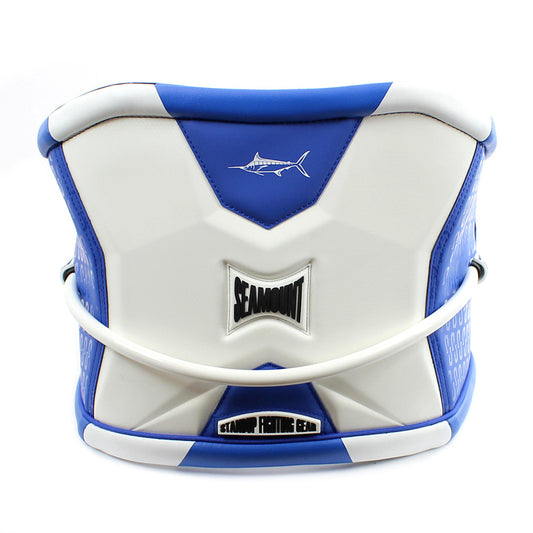
Seamount Charles Perry Pro Bucket Harness
Regular price $694.99 USDRegular price$699.99 USDSale price $694.99 USDSale -
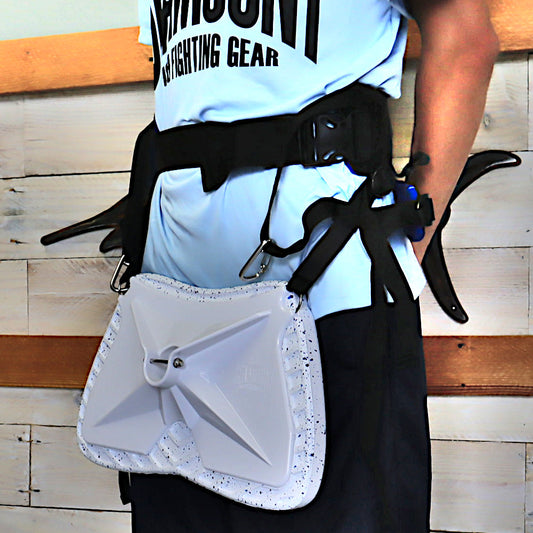
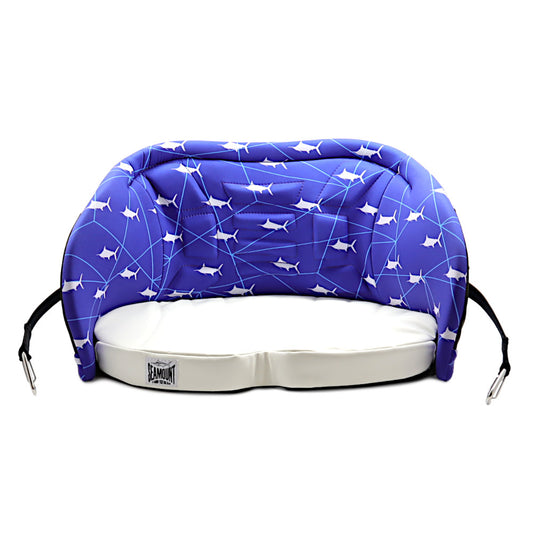
Seamount Moko Stand Up Fishing Harness
Regular price $429.99 USDRegular price$439.99 USDSale price $429.99 USDSold out -
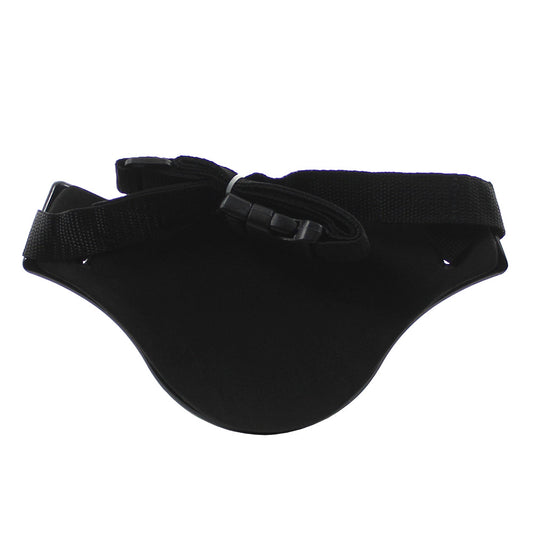
Seamount One-Size Fish Fighting Belt
Regular price $149.99 USDRegular price$199.99 USDSale price $149.99 USDSale -
 Sold out
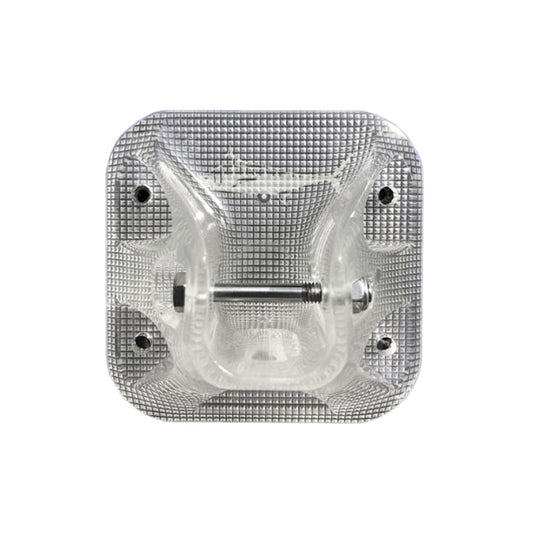
Seamount Cool Gimbal
Regular price $49.99 USDRegular price
The Right Belt Changes the Fight
Belts, harnesses, and gimbal systems for stand-up offshore fishing. From 30-pound rigger tackle to 130-pound stand-up. Fishermen-Owned Tackle Shop.
Shop All Belts & HarnessesWhy Your Fighting Belt Matters More Than You Think

Built for the Fight, Not the Photo
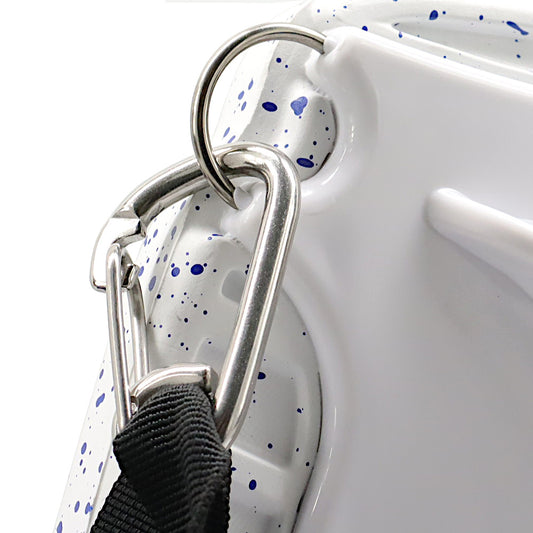
Every belt in our lineup uses aluminum gimbal plates and stainless steel hardware. The padding is contoured to stay put under heavy drag pressure. Pair a belt with a shoulder harness for full stand-up capability on marlin, tuna, sailfish, wahoo, and mahi. These are the same materials and construction methods reviewed by Marlin Magazine in their stand-up gear roundups.
Fighting Belt & Harness FAQs
What is the difference between a fighting belt and a harness?
A fighting belt sits on your hips and holds the rod butt in a gimbal cup. It transfers the fish's pulling force to your legs and lower body. A harness wraps around your shoulders and back, connecting to the reel via clips so you can use your upper body to pump the fish. Most stand-up anglers use both together for maximum leverage and comfort.
What size tackle can I use with a fighting belt?
It depends on the belt. Lighter plate-style belts handle 20-50 pound tackle well and are popular for sailfish, mahi, and wahoo. Full bucket-style belts with wraparound support are built for 50-130 pound tackle and drawn-out fights with large marlin and tuna. Match the belt to the heaviest tackle you plan to fish.
Do I need a harness or just a belt?
For light tackle (under 30-pound test), a belt alone is usually enough. For anything heavier, you want both. The harness connects to the reel and lets your back and shoulders share the load with your legs. Without a harness on heavy tackle, all the strain goes to your arms and lower back, which limits your fight time.
How do I choose between a plate belt and a bucket harness?
Plate belts are lighter and less restrictive. They work well for light to medium tackle and shorter fights. Bucket harnesses wrap around your waist and distribute the load more evenly, which matters on extended fights with large fish. If you regularly target marlin or giant tuna on stand-up, a bucket harness gives you the support to stay in the fight longer.
What materials should I look for in a fighting belt?
Look for an aluminum gimbal plate (lightweight and corrosion-resistant), stainless steel hardware (resists saltwater), and contoured EVA or rubber padding that stays in place under pressure. Avoid belts with exposed mild steel that will rust after a few trips. The best belts use the same materials found in Marlin Magazine's top-rated systems: marine-grade aluminum and 316 stainless steel.
Can I use a fighting belt for bottom fishing?
Yes. A fighting belt is useful anytime you are fighting a fish vertically, including deep dropping, bottom fishing for grouper and snapper, and jigging. The gimbal cup holds the rod butt and takes the pressure off your forearms. It is not just for trolling.
How should I adjust my harness for stand-up fishing?
Adjust the harness straps so the reel sits at hip height when you are standing upright with your knees slightly bent. Too high and you lose leverage. Too low and the rod tip drops, costing you pumping efficiency. The harness should be snug but not tight enough to restrict breathing. Always test your adjustment before lines go in the water.
Outlast the Fish
Stand-up fighting belts and harnesses. Aluminum. Stainless. Built for the long fight. Fishermen-Owned Tackle Shop.
Shop Fighting Belts