Collection: Fishing Lure Making Supplies

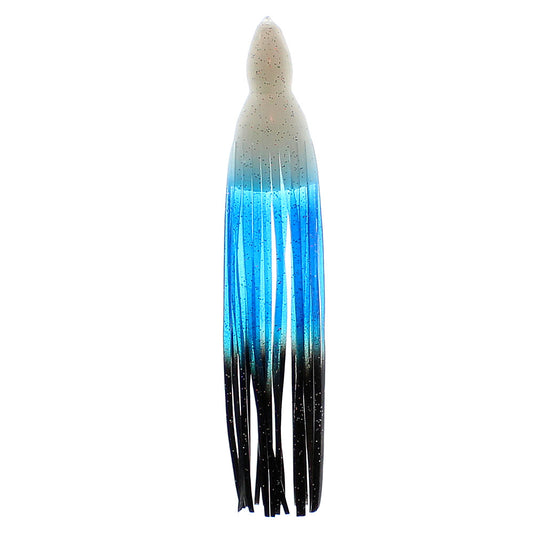
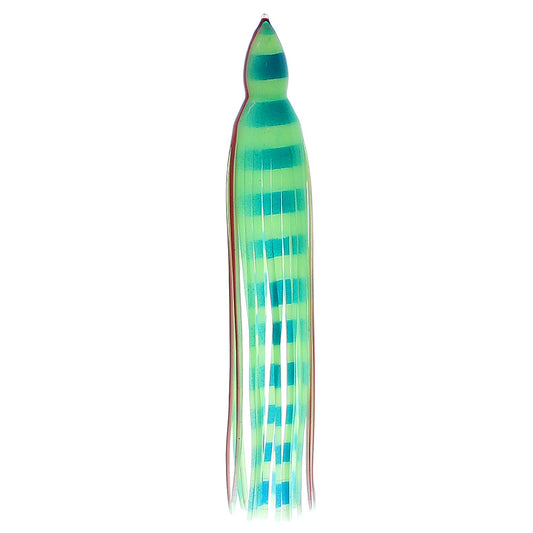
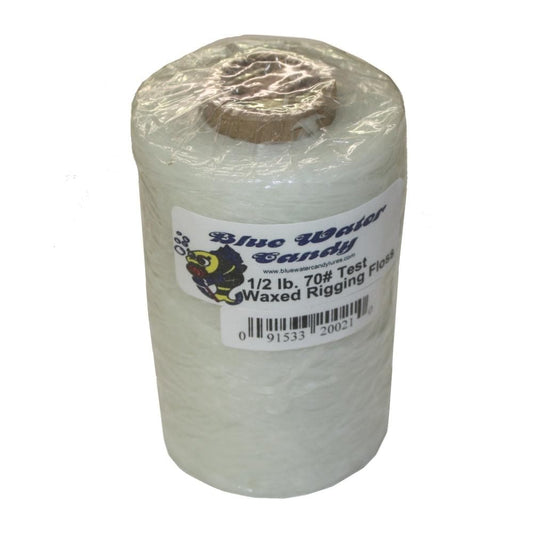
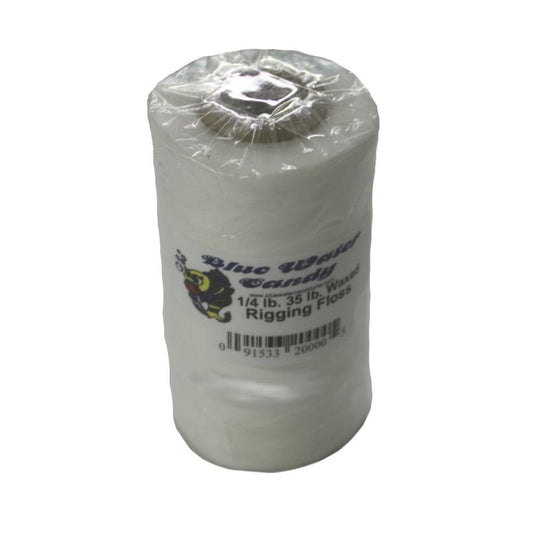
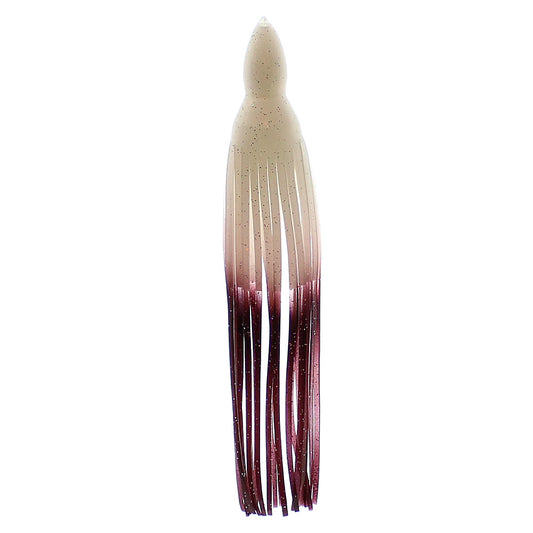
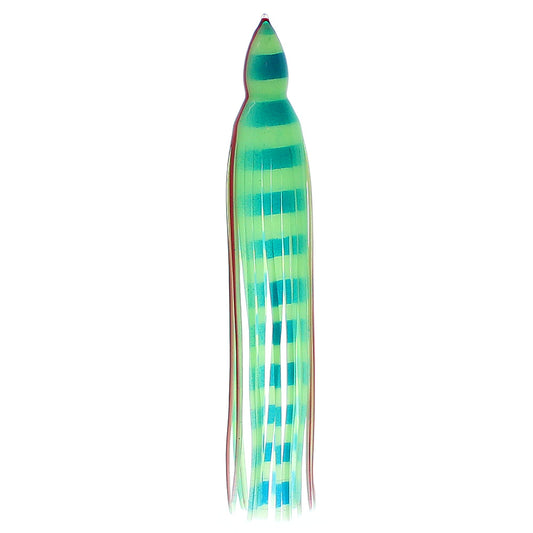
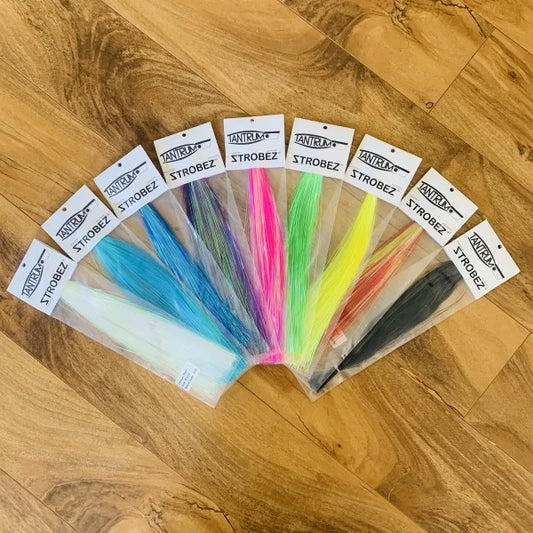
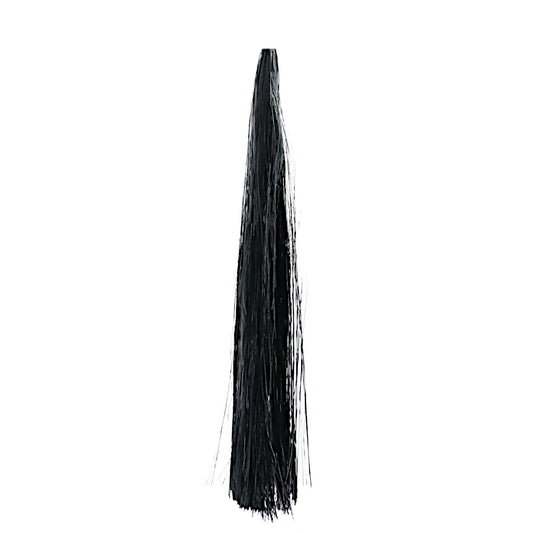
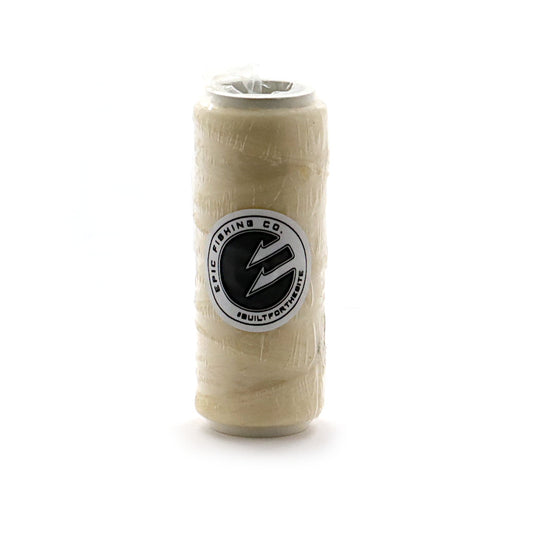
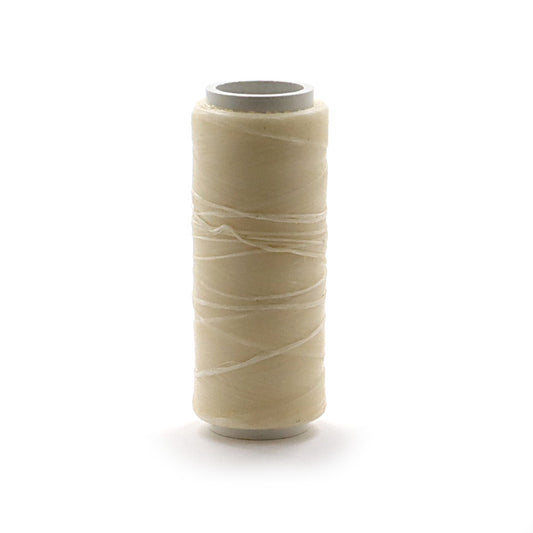
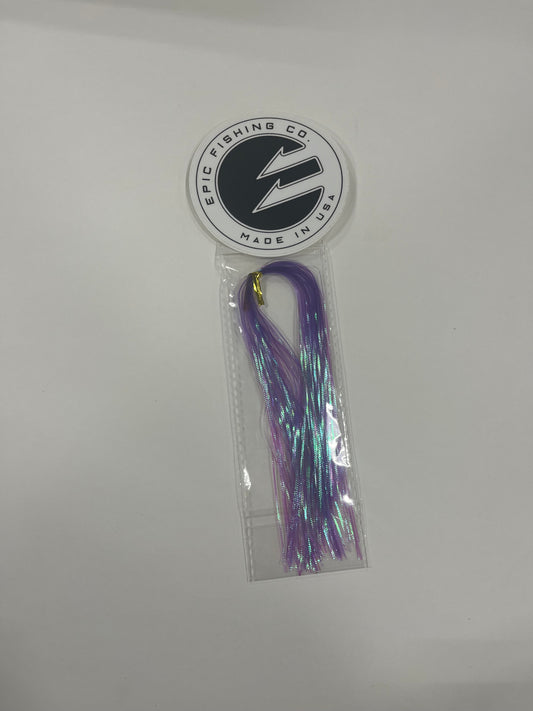
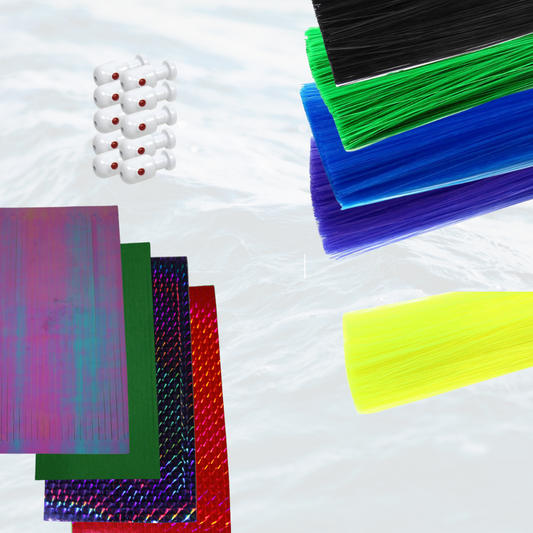
Fishing lure making supplies for building saltwater trolling lures, dredges, and teasers. Shop lure skirts, sea witch heads, Mylar, UV hair, and rigging floss for offshore patterns that run clean from 6 to 15 knots. We stock the parts captains use to rig ballyhoo, replace chewed-up skirts, and build custom colors without digging through generic craft-store junk. A big share of it comes from Epic Fishing Co. in the Carolinas.

FAQ - Saltwater Lure Making Supplies

What lure making supplies do I need to build a basic saltwater trolling lure?

Start with five pieces: a lure head, a skirt from our skirts collection, a hook set, waxed rigging floss, and leader material. For most mahi and king rigs, 80 to 100 lb mono is enough. If you are building wahoo lures, step up into the 125 to 150 lb range or add wire.

What size lure skirts should I buy first?

If you are just getting started, buy 8 inch, 9 inch, and 13 inch skirts. Eight-inch skirts are right for smaller baits and schoolie dolphin. Nine-inch skirts are the everyday workhorse behind medium ballyhoo. Thirteen-inch skirts are better for larger tuna and marlin patterns.

What is the best lure head to start with for offshore trolling?

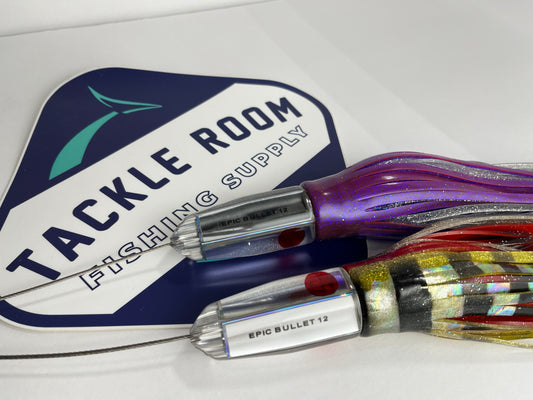
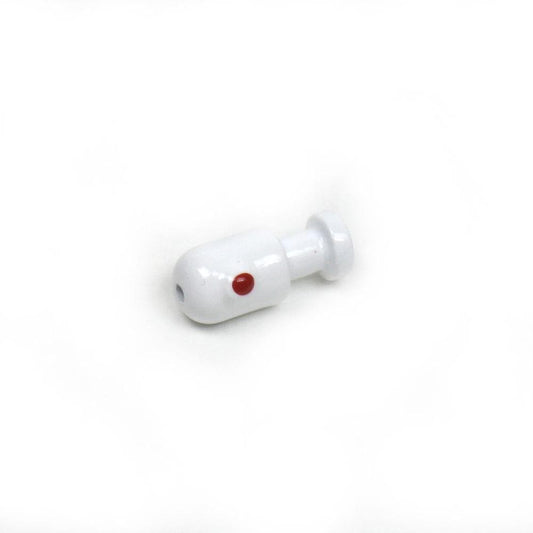
Sea witch heads are the easiest place to start because they are forgiving, cheap to re-rig, and they pair cleanly with ballyhoo. Once you have those dialed in, add heavier bullets or jet-style heads for faster wahoo and tuna work. If a lure will not track straight at your normal speed, fix the head-and-skirt combo before you blame the hook set.

What colors should I keep in stock for custom offshore lures?

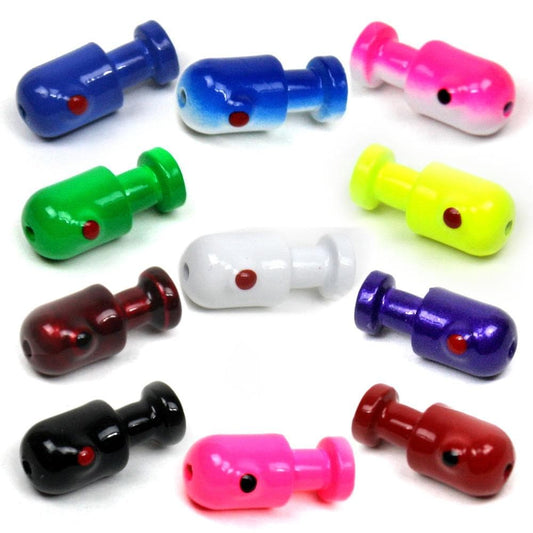
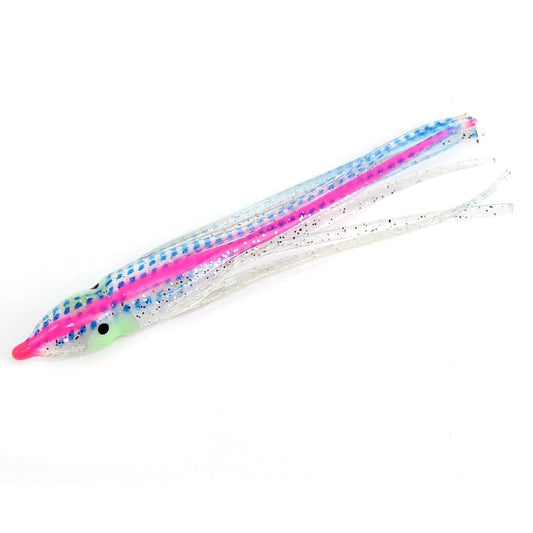
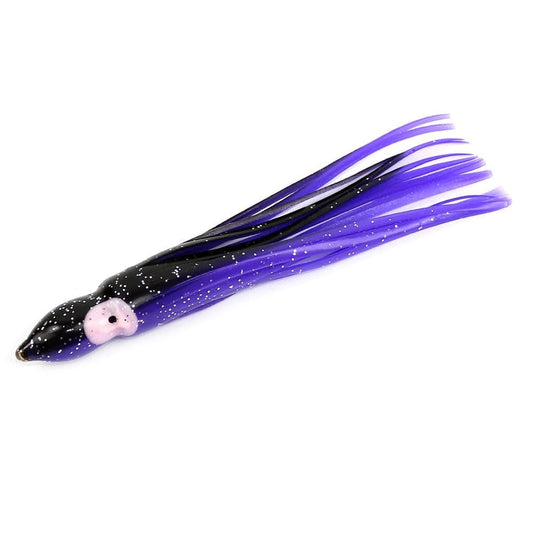
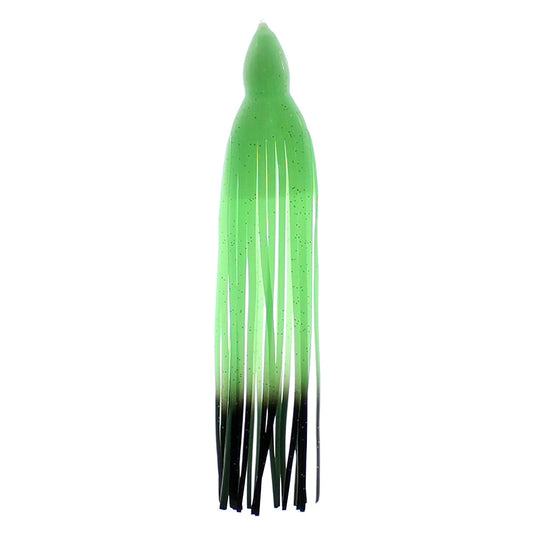
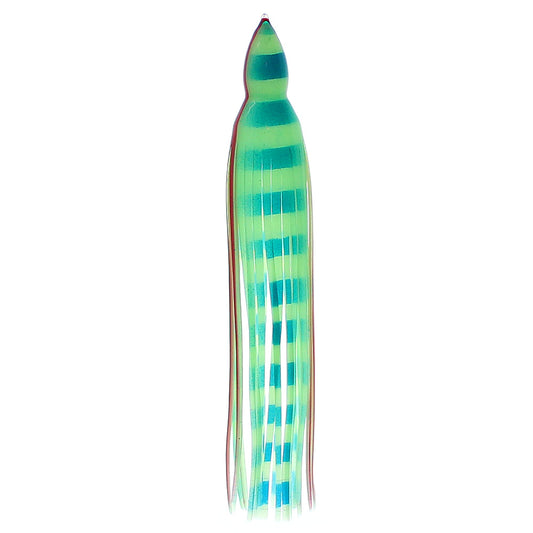
Keep four proven families on hand: pink-white, blue-white, black-purple, and green-chartreuse. Pink and blue cover a lot of mahi and tuna days. Black-purple is still hard to beat for wahoo. Green-chartreuse gives you a bright option when the water is dirty or the bait is running green.

Can I use these lure making supplies to build dredges and teaser bars too?

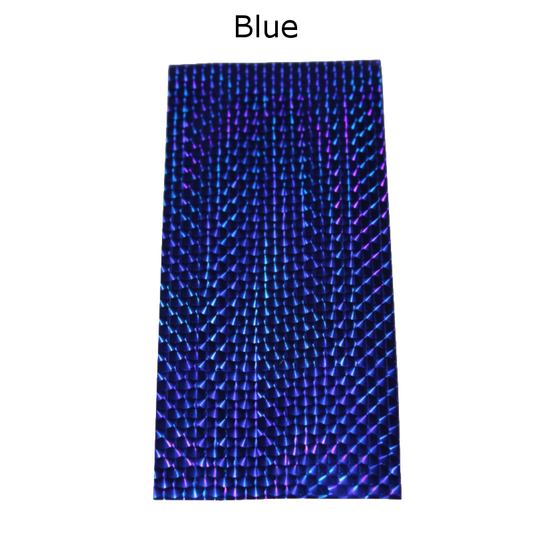
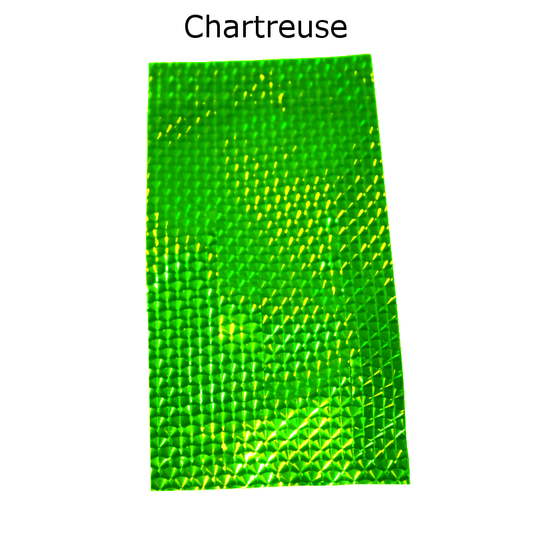
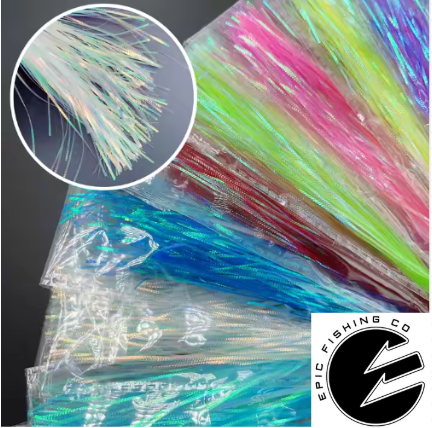
Yes. Mylar sheets, flash material, hair, and skirts all pull double duty in dredges and teaser bars. A basic four-arm dredge can eat 48 to 64 baitfish profiles in a hurry, so buying material in bulk usually makes more sense than replacing pre-built pieces one at a time. Our dredge rigging guide is the place to start.

What leader size should I use on custom trolling lures?

For mahi, kings, and mixed-bag trolling, 80 to 100 lb mono is the normal starting point. For wahoo, 125 to 150 lb mono or wire is safer. For marlin lures, 200 lb and up is common depending on lure size and hook set. If you need to crimp your own leaders, our leader crimping guide will save you some aggravation.

How to Choose Fishing Lure Making Supplies

Lure making supplies covers a lot more than skirts. If you want a saltwater trolling lure to run right, you need the right head shape, a skirt that matches the bait profile, clean rigging, and leader material that fits the fish you are after. That is why this collection mixes heads, skirts, flash, hair, and rigging pieces instead of acting like one part does the whole job.

If you are building your first spread, start simple. Rig a few sea witches behind medium ballyhoo, keep skirt colors tight, and use 80 to 100 lb mono for mahi and king work. When you start building heavier wahoo or tuna lures, move into tougher leaders and larger skirt profiles. The fastest way to waste money is buying a pile of random colors and sizes with no plan.

For dredges and teaser bars, think in bulk. Mylar, flash, and replacement skirts disappear fast once toothy fish or prop wash get involved. Having spare material on hand means you can rebuild instead of pulling a whole teaser out of service. The same goes for UV hair and floss. Cheap rigging materials usually look cheap in the water too.

If you want a shortcut, pair this collection with our rigging tools and read the trolling lure guide before you start cutting leader. You will lose fewer parts, rig straighter lures, and spend more time fishing instead of cussing at the tackle bag.