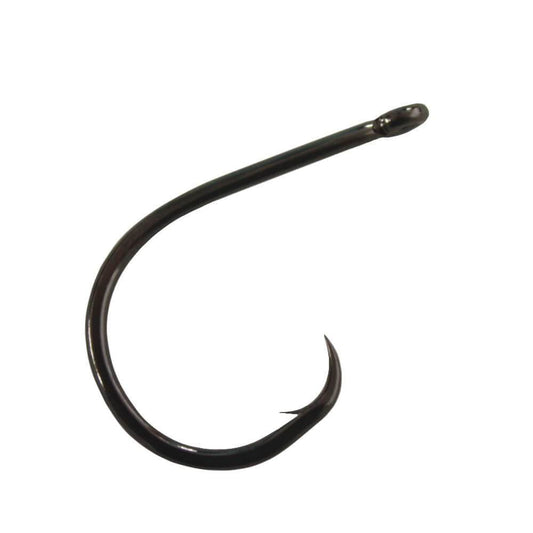
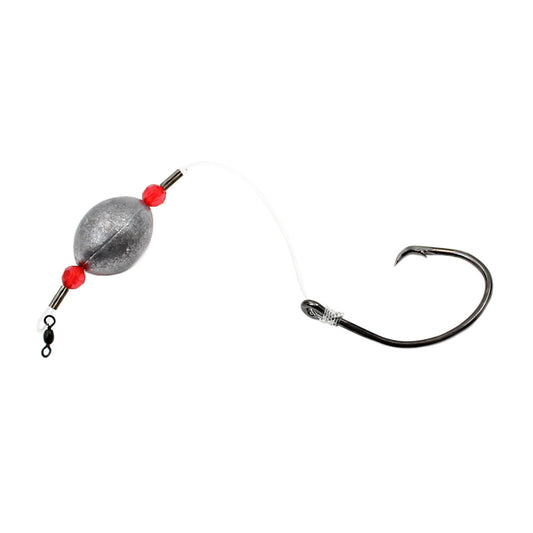
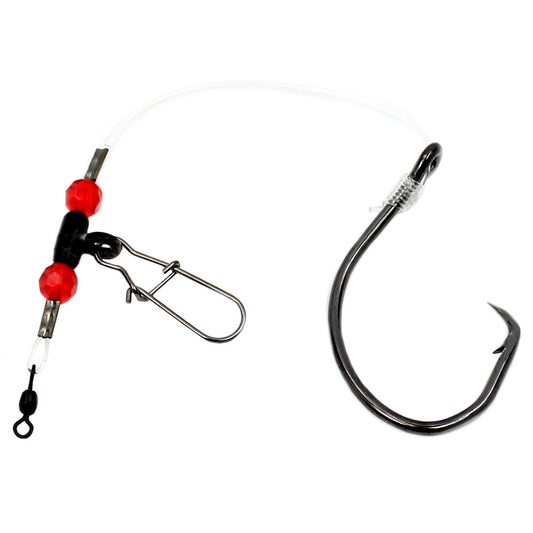
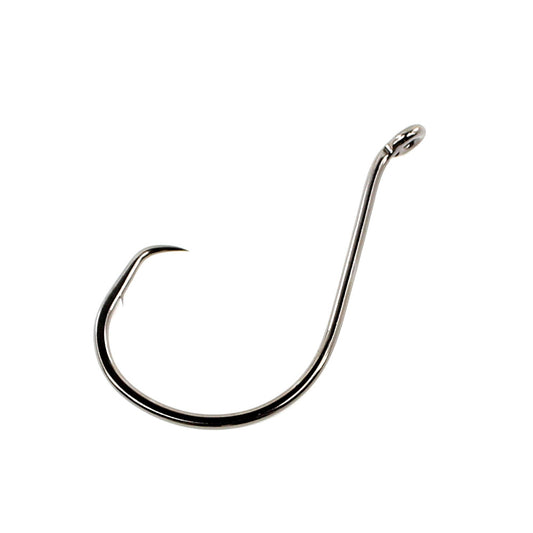
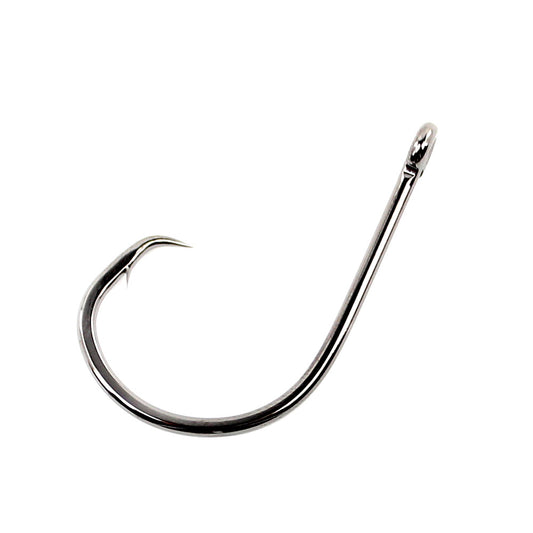
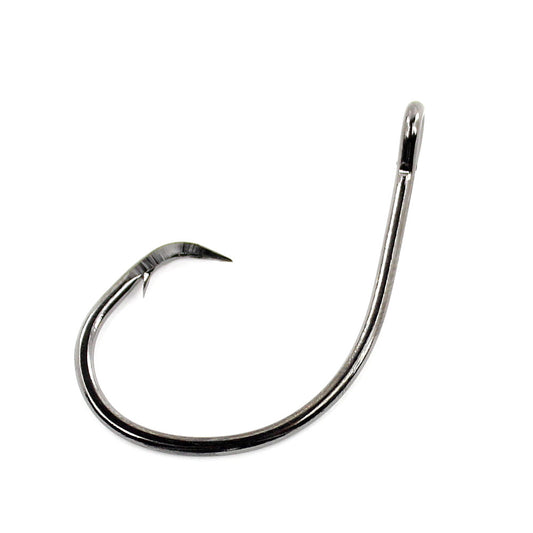
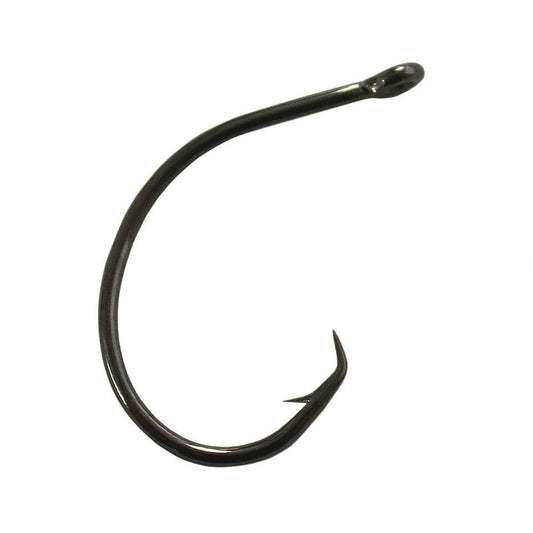
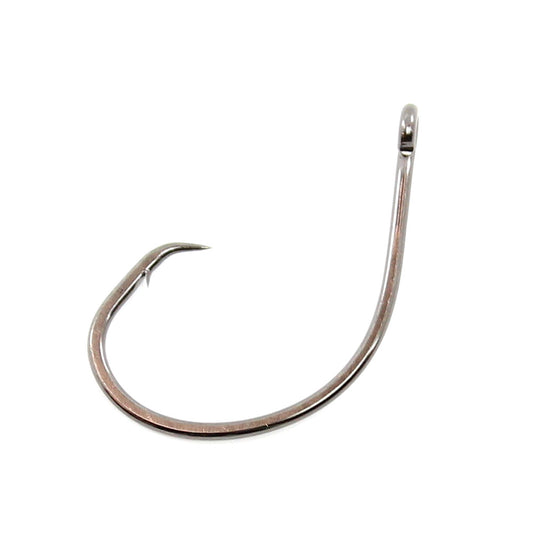
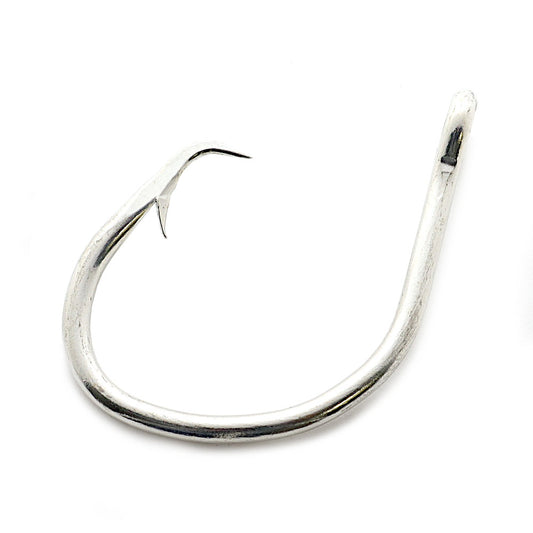
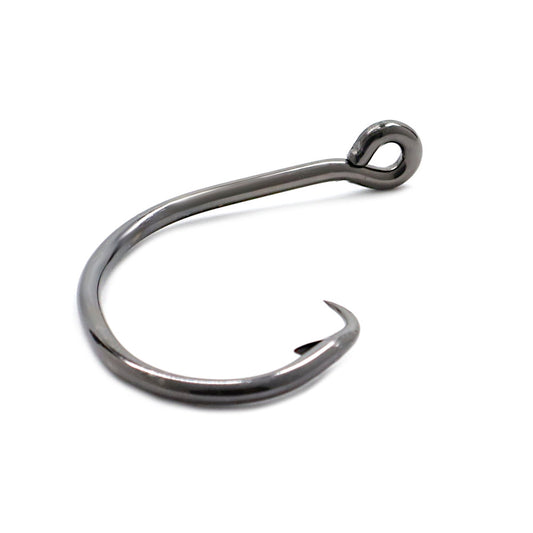
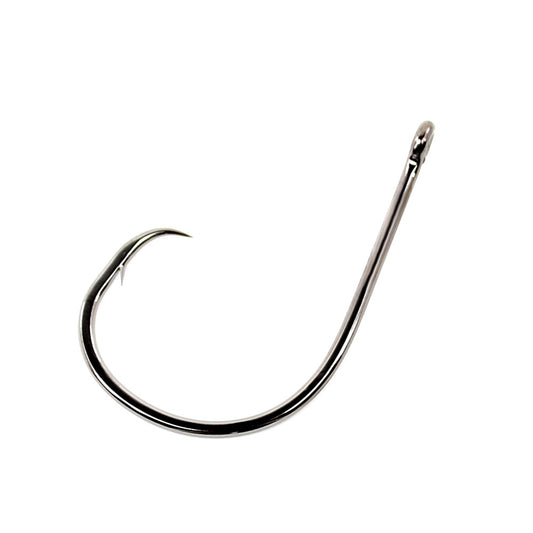
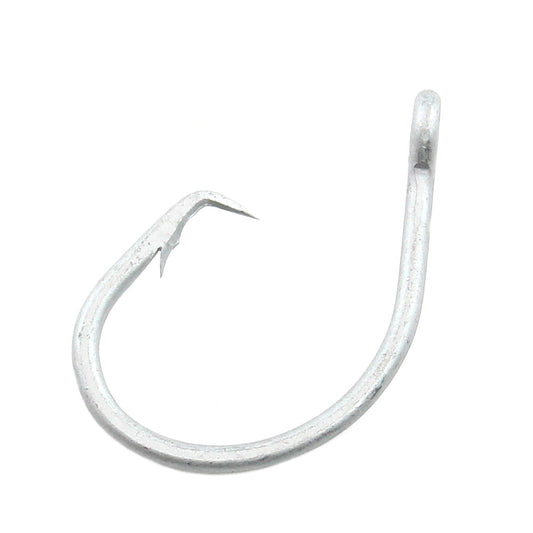
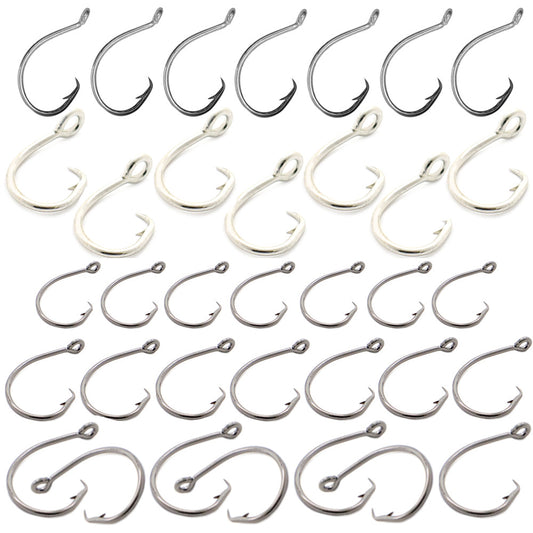
Collection: Circle Hooks for Saltwater Fishing

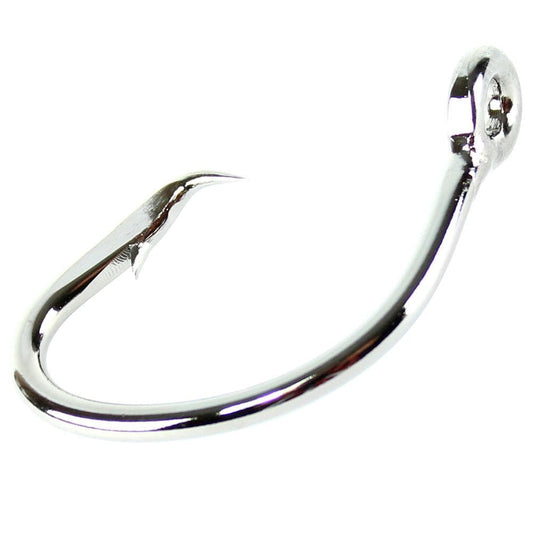
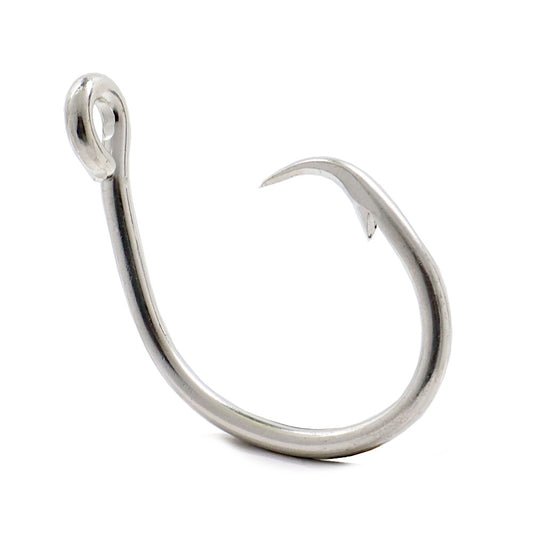
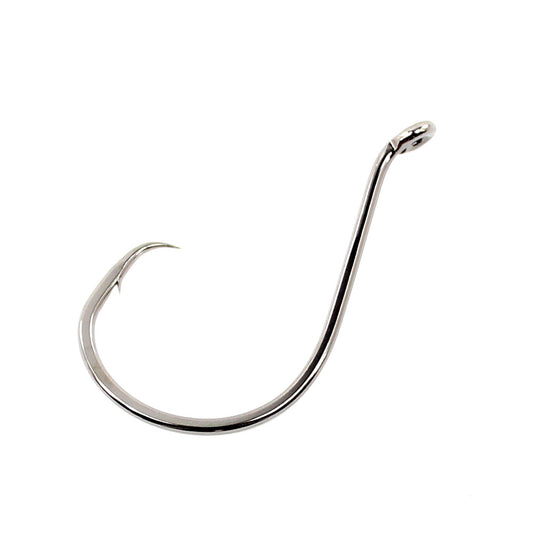
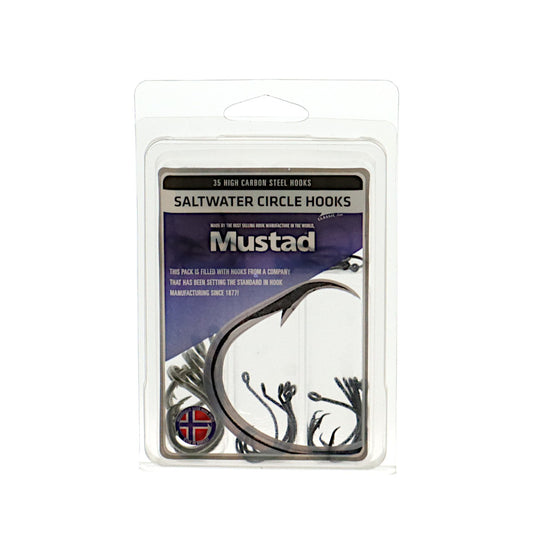
Circle hooks for saltwater fishing, from inshore bait rigs to heavy offshore live-bait and tournament setups. A good circle hook rolls into the corner of the jaw instead of getting swallowed, which means cleaner hooksets and better release survival. We stock circle hooks in lighter wire models for smaller baits and heavier patterns for tuna, swordfish, sailfish, sharks, and bottom fishing. If you fish bait and want solid jaw hookups without swinging like it is 1998, start here.

FAQ - Circle Hooks

What are circle hooks best used for?

Circle hooks are best for bait fishing where you want the hook to roll into the corner of the jaw instead of being swallowed. That makes them a strong choice for live bait, chunking, bottom fishing, and catch-and-release work. They are common in everything from inshore redfish rigs to offshore tuna and swordfish setups.

Are circle hooks required in saltwater fishing?

In some fisheries and tournaments, yes. Circle hooks are often required when fishing natural bait because they improve release survival and reduce gut-hooking. Rules change by species and region, so always check local regulations before you rig up.

How do I choose the right circle hook size?

Match the hook gap to the bait first, then to the target fish. Too small and the hook chokes on the bait. Too big and you kill the bait or miss the rotation. Our hook size chart is the fastest way to get in the right neighborhood.

What is the difference between a circle hook and a J-hook?

A J-hook usually needs a harder hookset and can stick deeper if the fish swallows the bait. A circle hook is built to slide out and catch in the jaw hinge as pressure comes tight. We broke that down in plain English in the circle hooks vs J-hooks guide.

Can I troll with circle hooks?

Yes, especially with natural baits like ballyhoo, where cleaner hookups and release survival matter. The exact rig depends on the bait, species, and tournament rules, but circle hooks are common in trolling spreads that use natural bait instead of lure-only hooksets.

How should you set a fish on a circle hook?

Do not swing on it like a bass fisherman. Come tight, keep the rod loaded, and keep winding until the hook rotates and sticks. Most pulled fish on circle hooks are operator error, not the hook.

How to Choose Circle Hooks

Circle hooks work because the fish usually hooks itself when it turns and loads the rod. That is why they are a staple for live bait, chunking, kite fishing, reef fishing, and catch-and-release work. The trick is matching the hook gap and wire strength to the bait and the fish instead of grabbing whatever is on sale.

For smaller inshore baits, lighter wire matters because you want the hook to set with less pressure and not kill the bait. For tuna, swordfish, sharks, and heavy bottom fish, move into stronger wire and larger gaps so the hook keeps its shape under real drag. If you are torn between styles, read our circle hooks vs J-hooks guide and keep the hook size chart handy.

One common mistake is dropping back and then jerking hard like you are setting a J-hook. Do the opposite. Come tight, keep winding, and let the hook rotate. That is when a circle hook does what it is built to do.

If you are pairing hooks with leaders and swivels, build the rest of the rig around the bait and target species, not just the hook pack. That usually means matching with the right leader material and paying attention to bait size, current, and drag setting.