
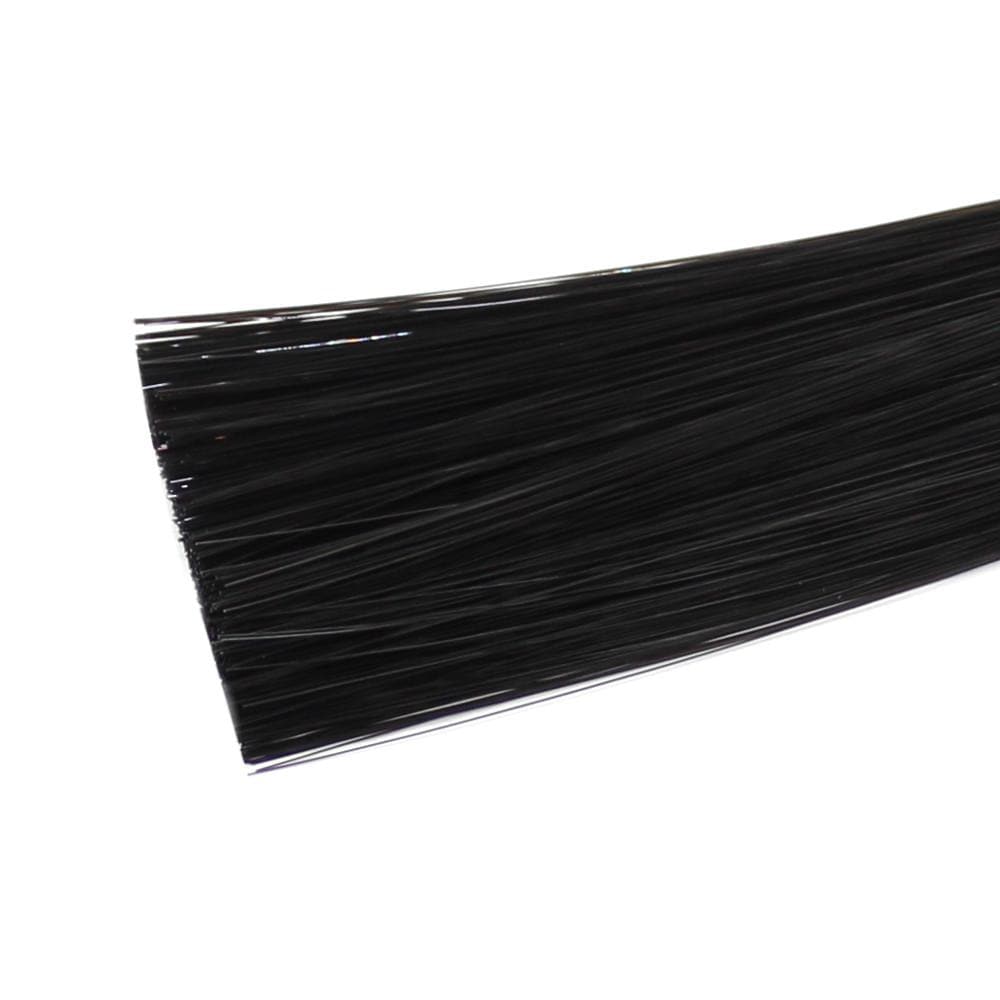


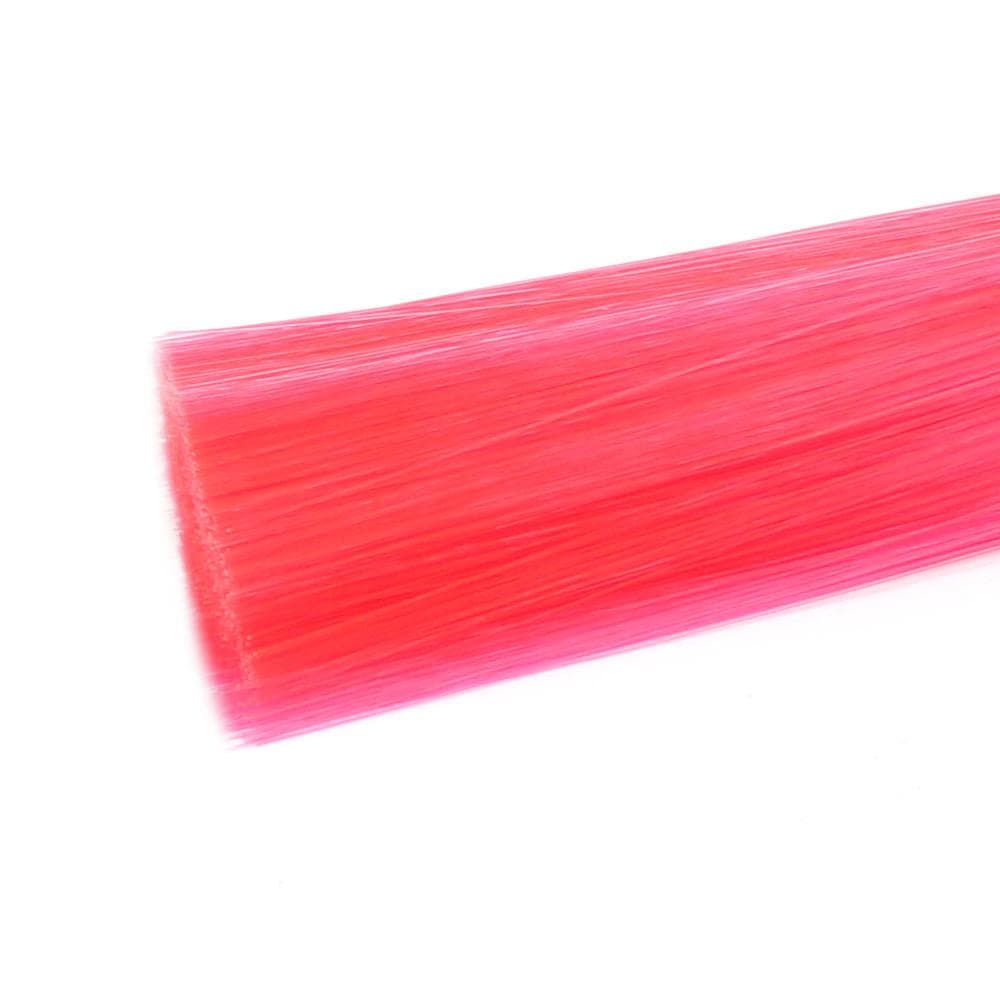
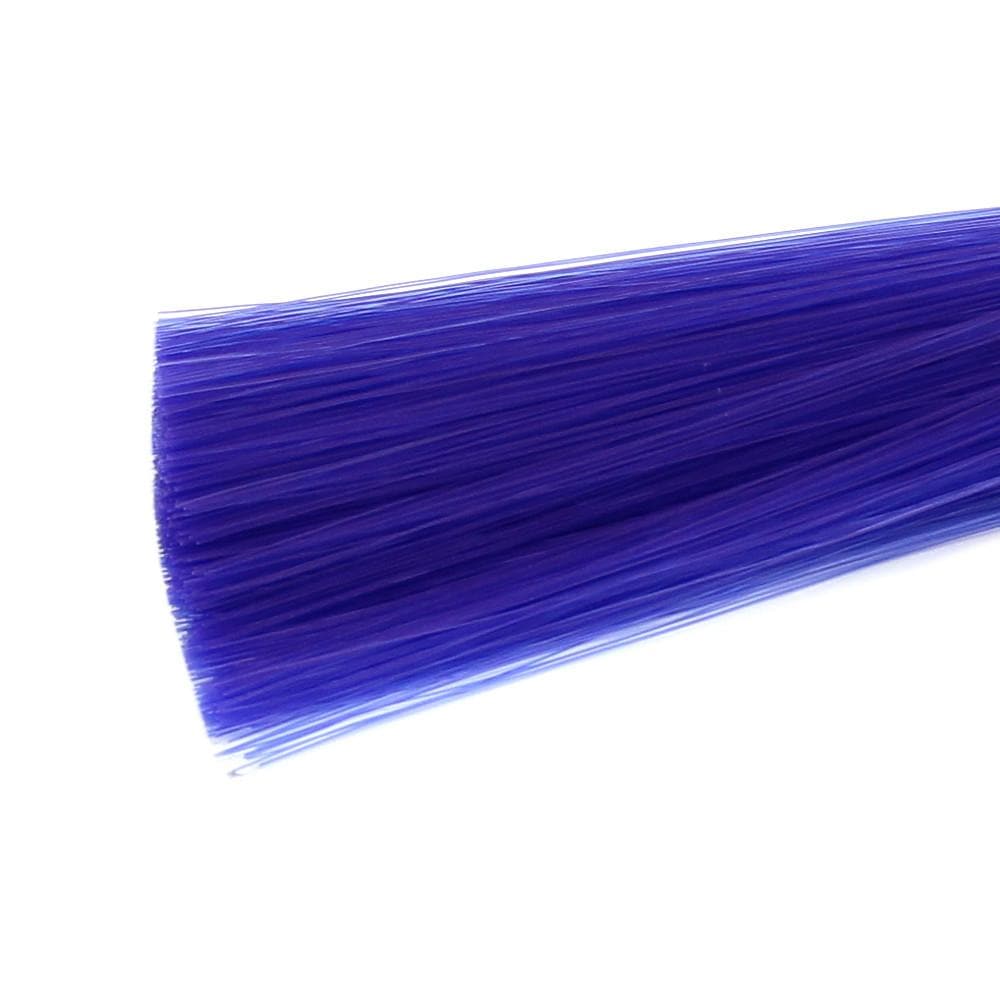
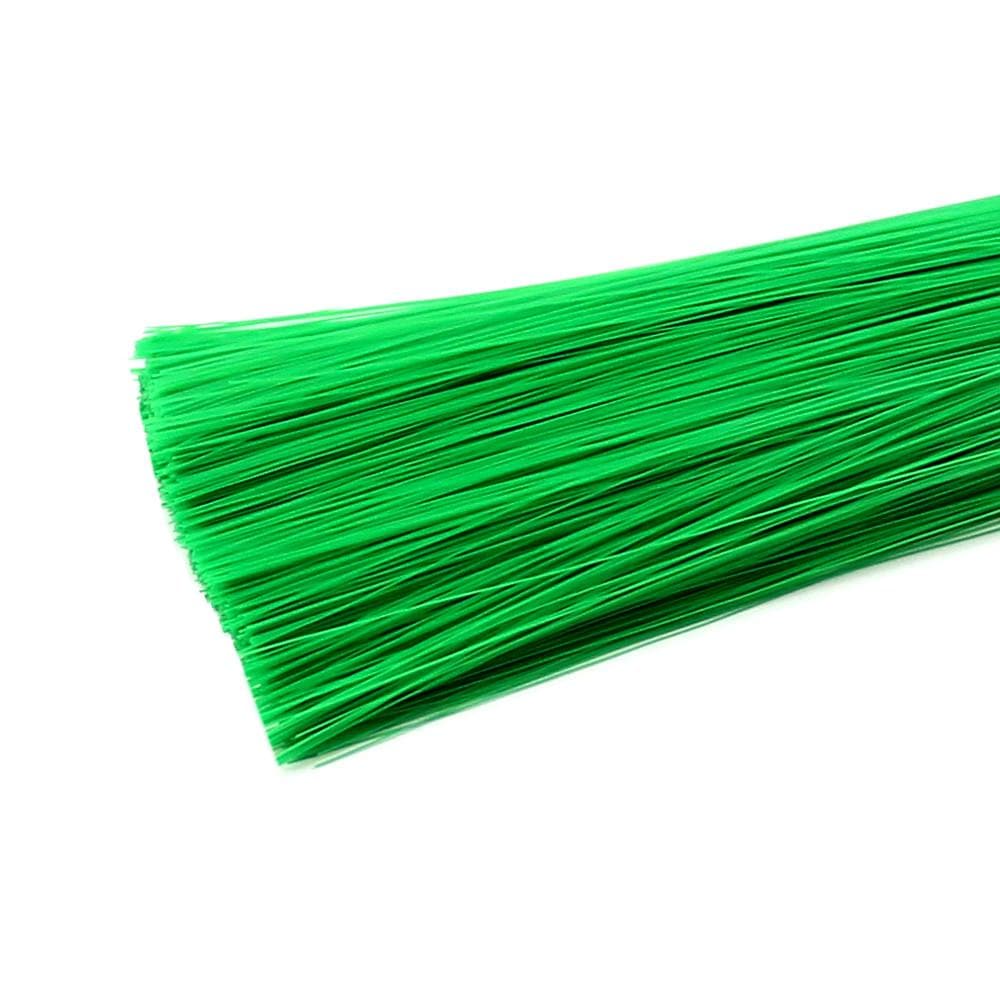
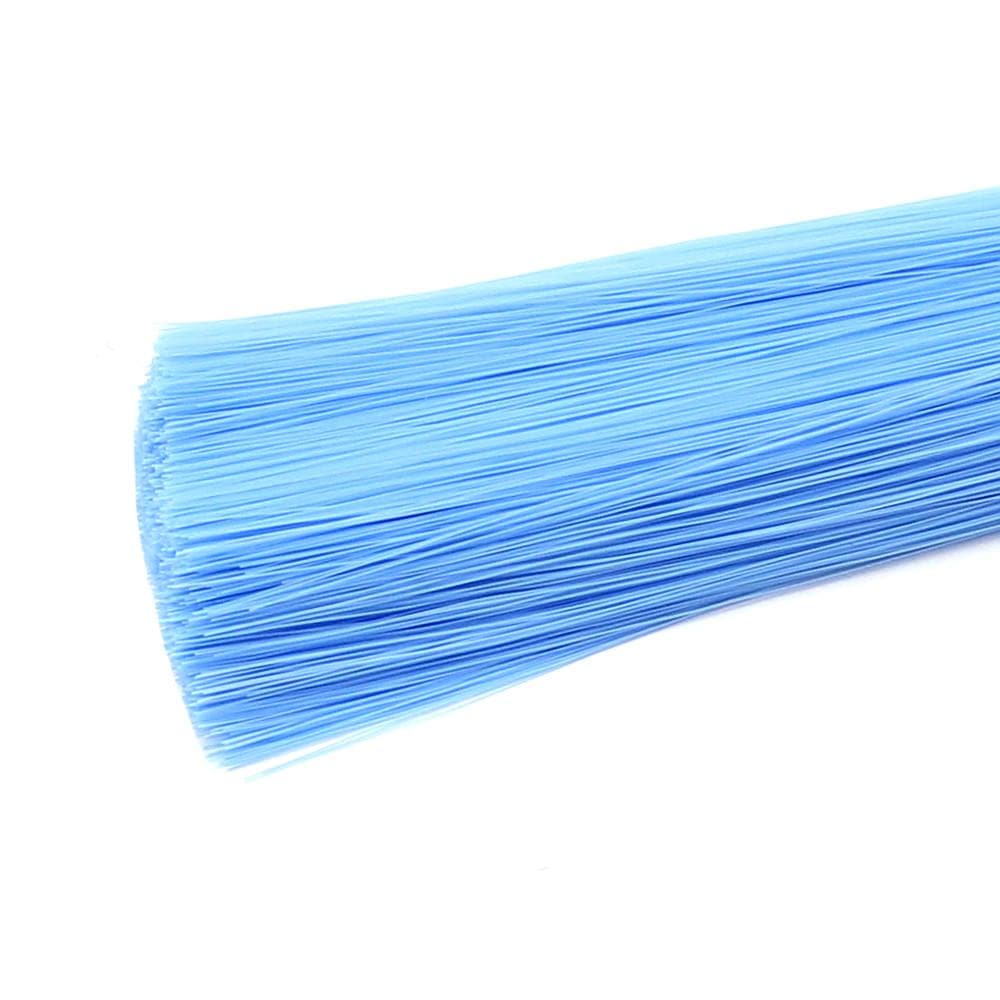
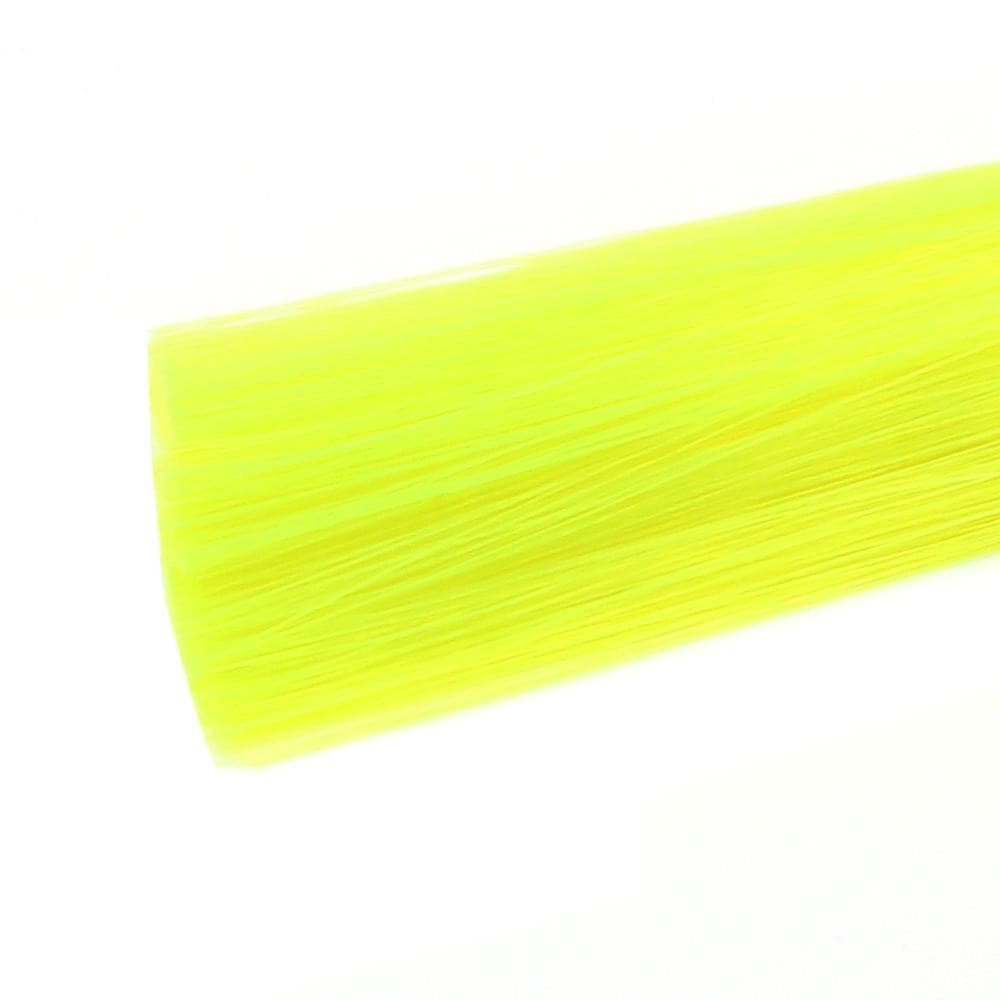
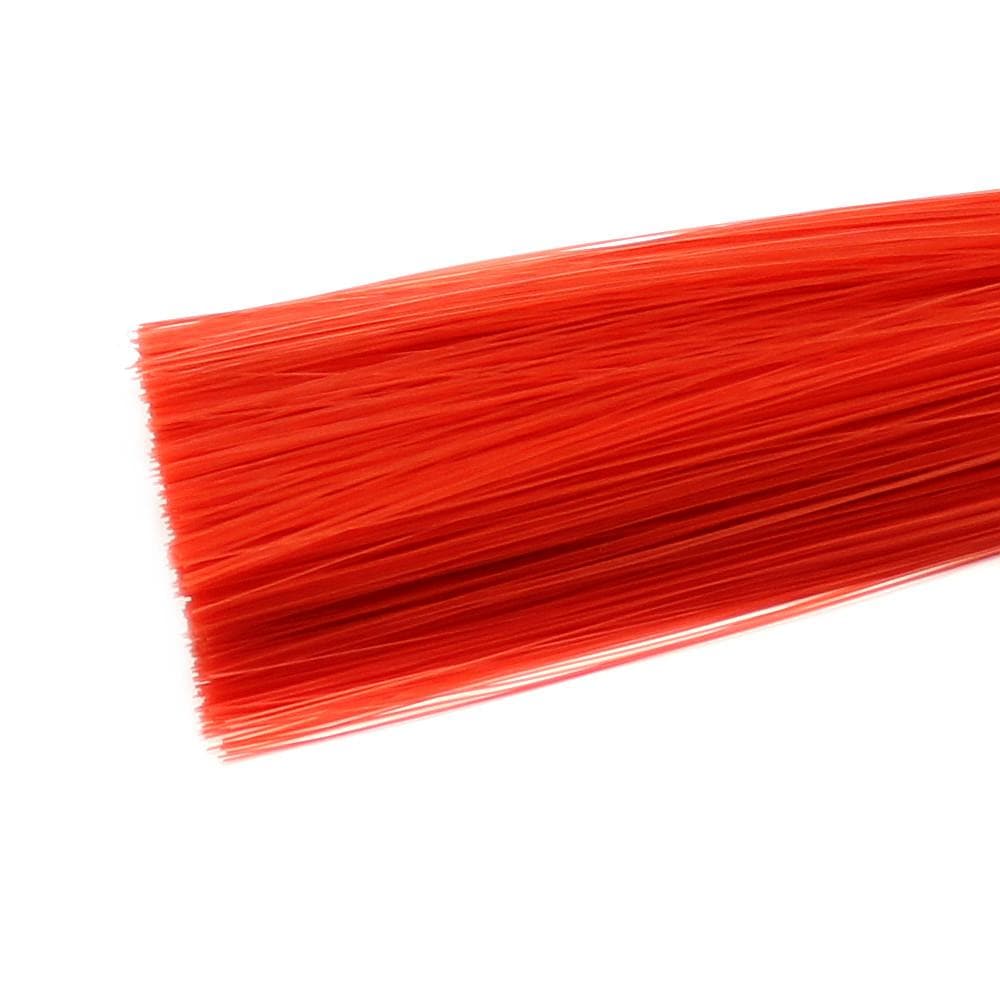
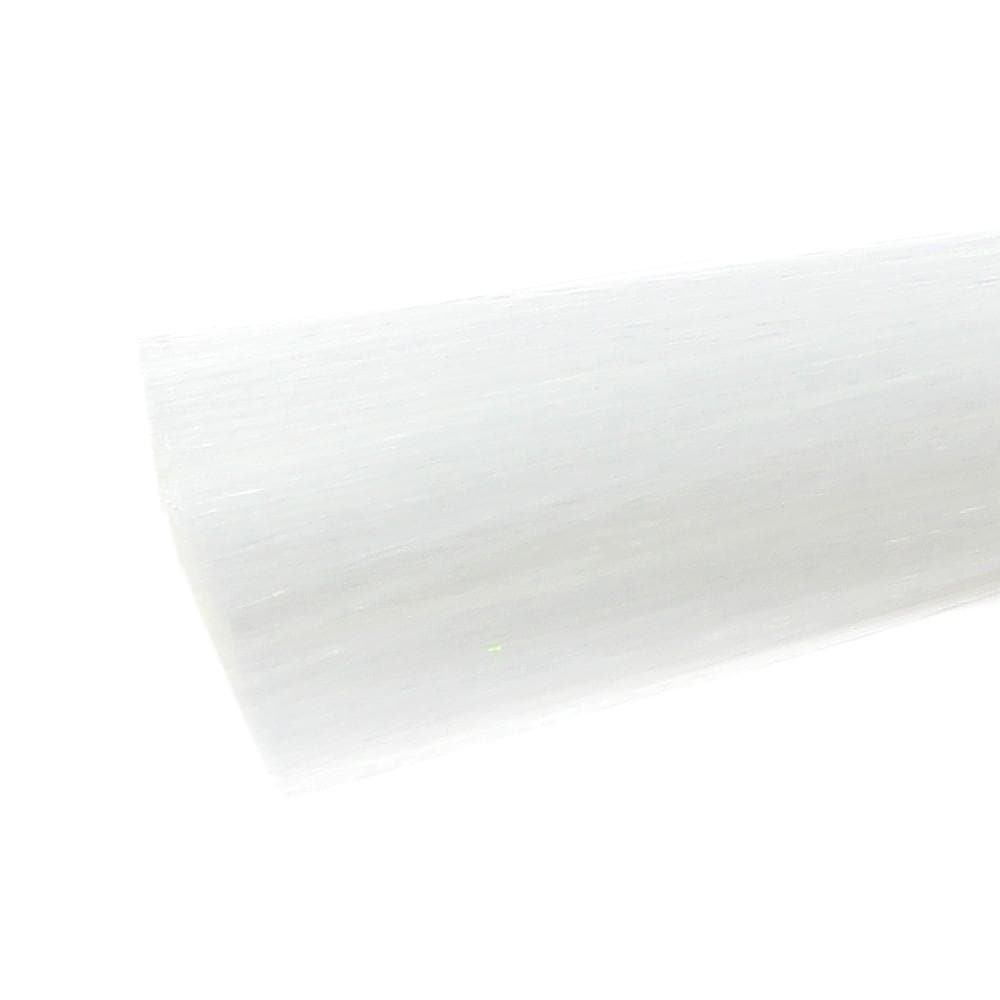
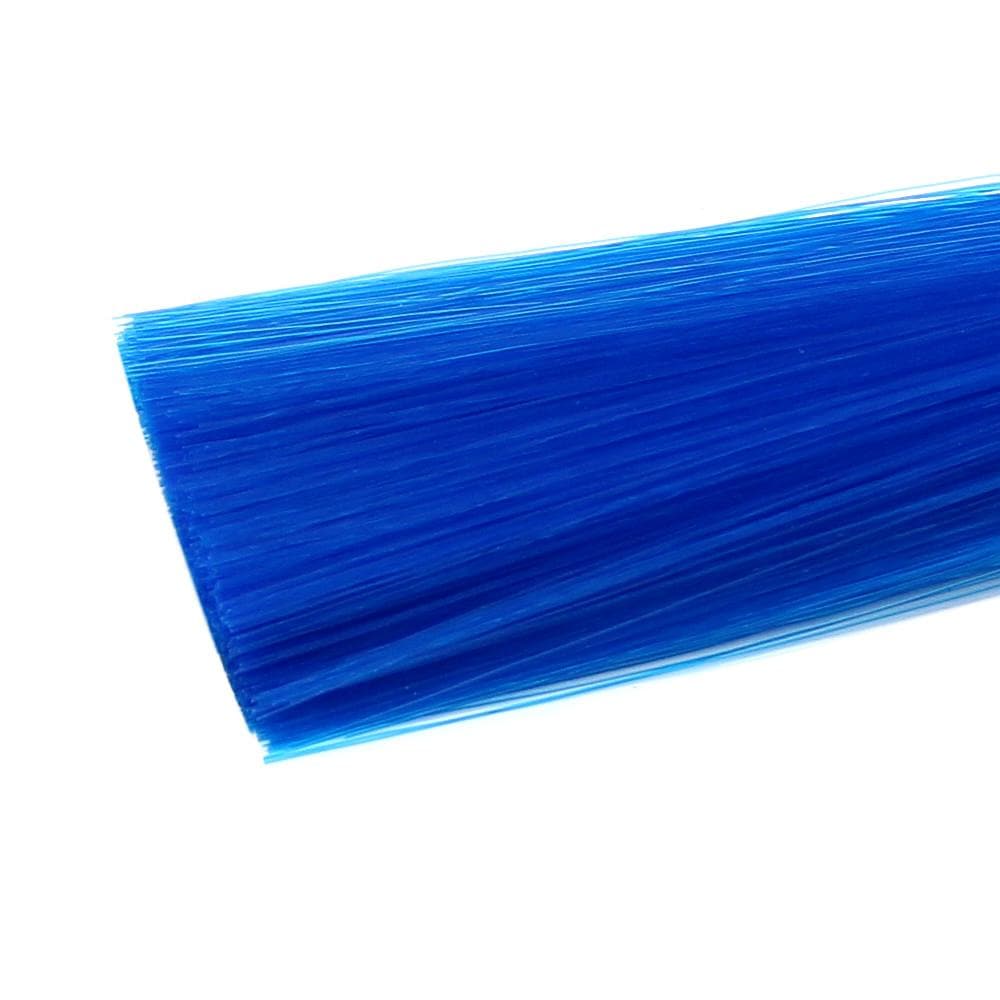
The Same UV Sea Witch Hair Used in Tournament Lures
- UV-infused nylon for underwater visibility
- 7" fiber length, ready to tie
- 1oz bundle = approximately 10 lures
- Full hanks for high-volume lure building
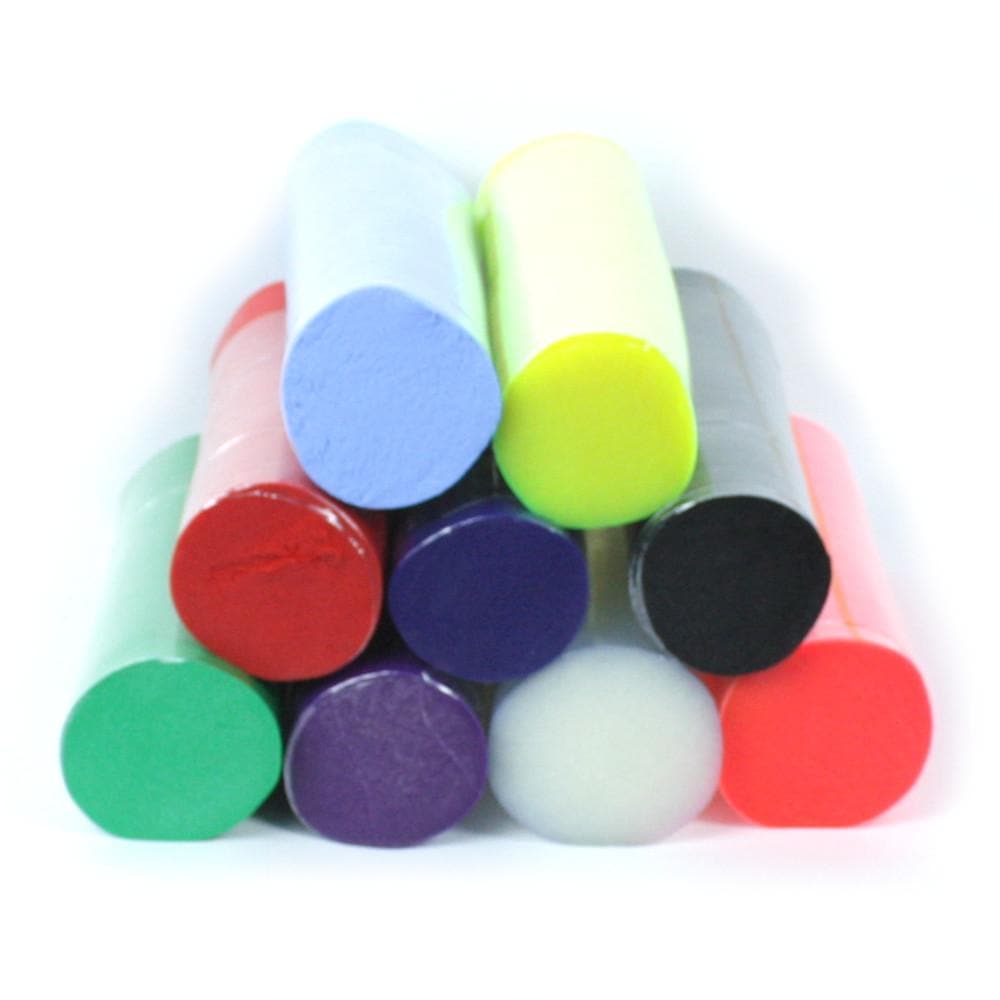
- Multiple UV and standard colors
Let customers speak for us
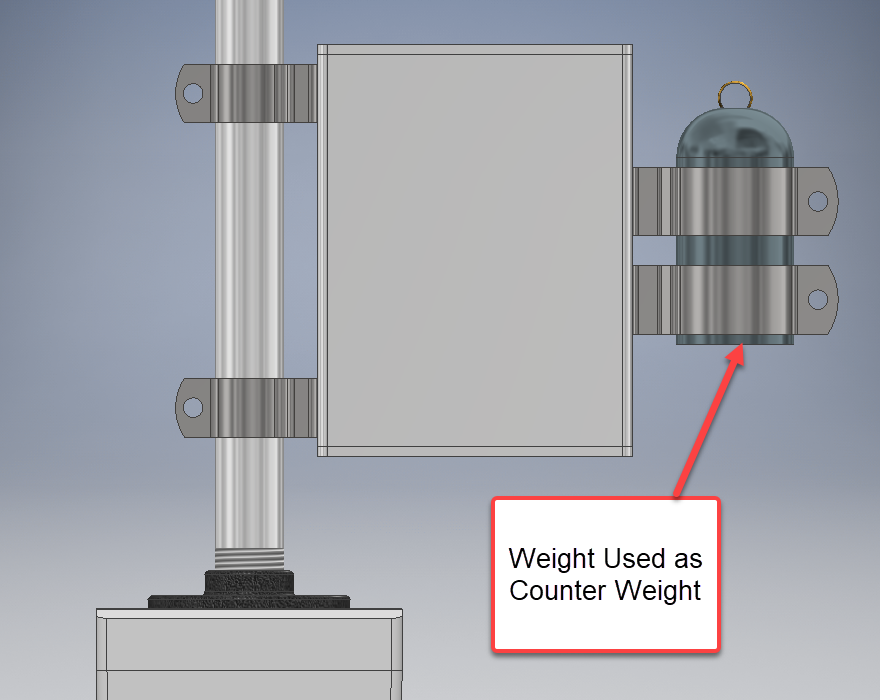
I didn't use the 2 lb weight for the typical usage. It was used as a counter weight near a preamp enclosure to counter the weight of the user enclosure near the top of a 4 foot, 1/2" rigid conduit. The weight worked great for this purpose and wishing you and your company, the best!
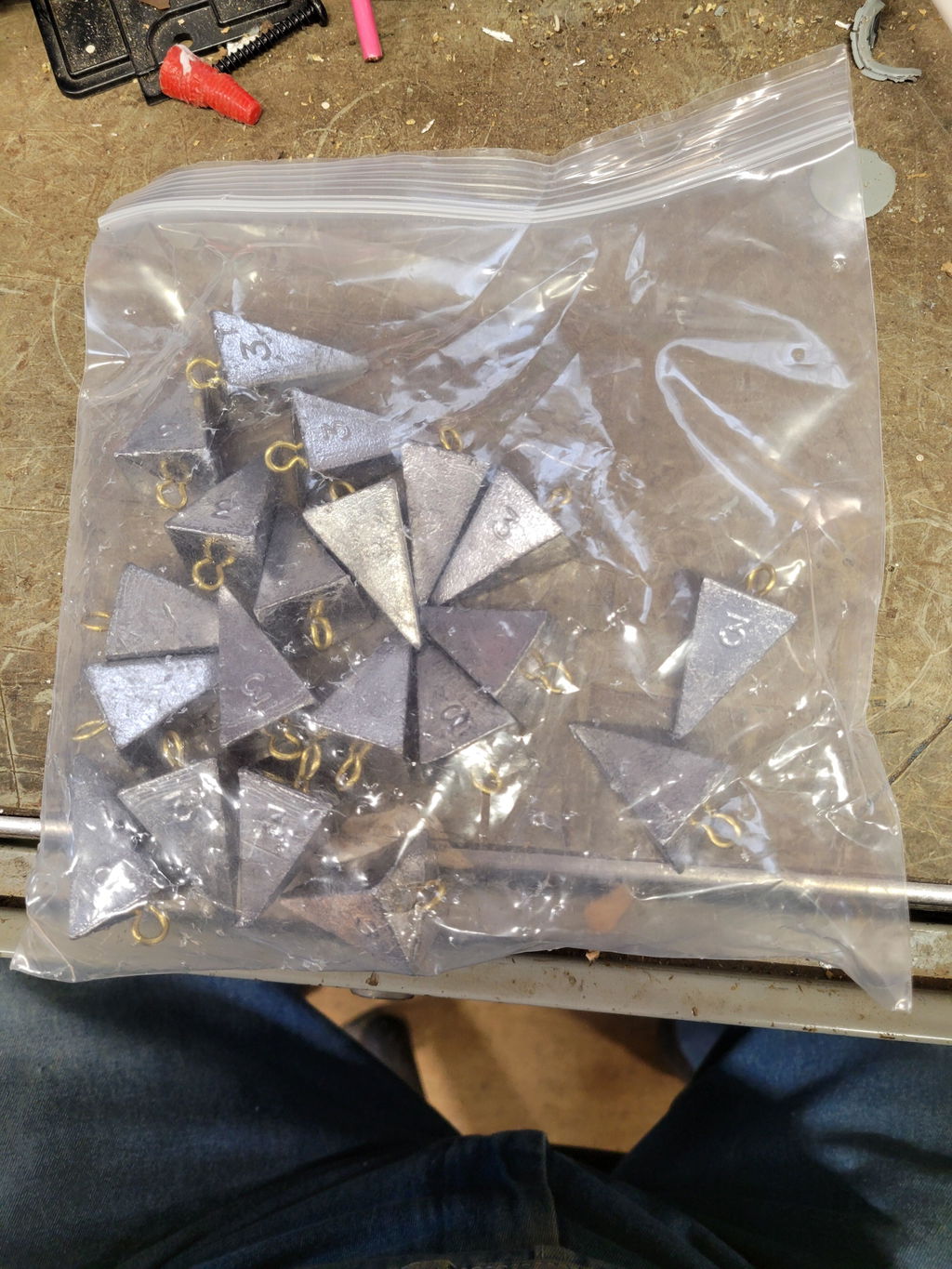
I didn't really know what to expect as I usually get my sinkers at a beachshop. These were better. Clean and new looking as if just pored. Very satisfied with my purchase!
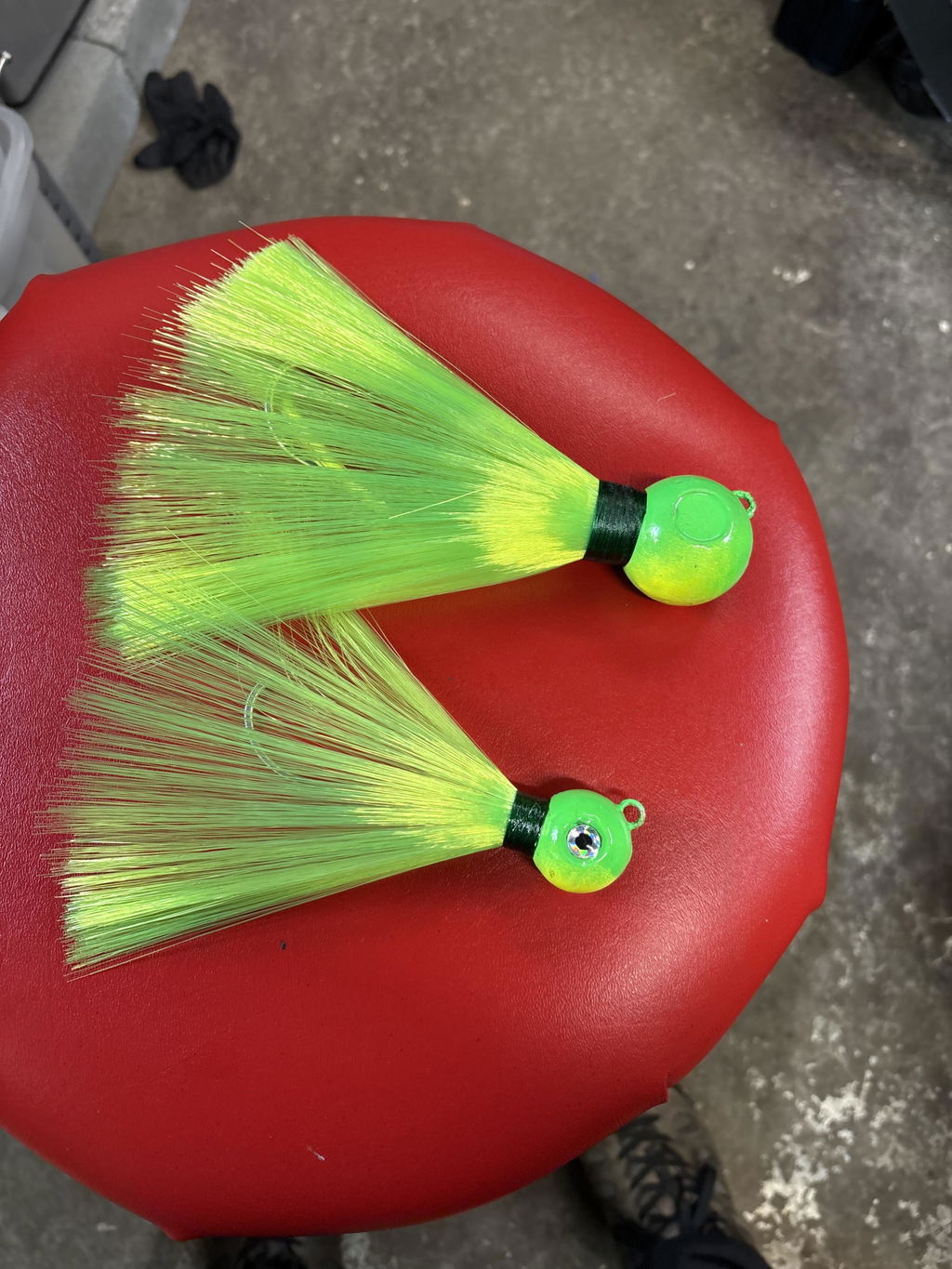
I’m making my own mojo rigs with the hair. It went on beautiful such a nice presentation.
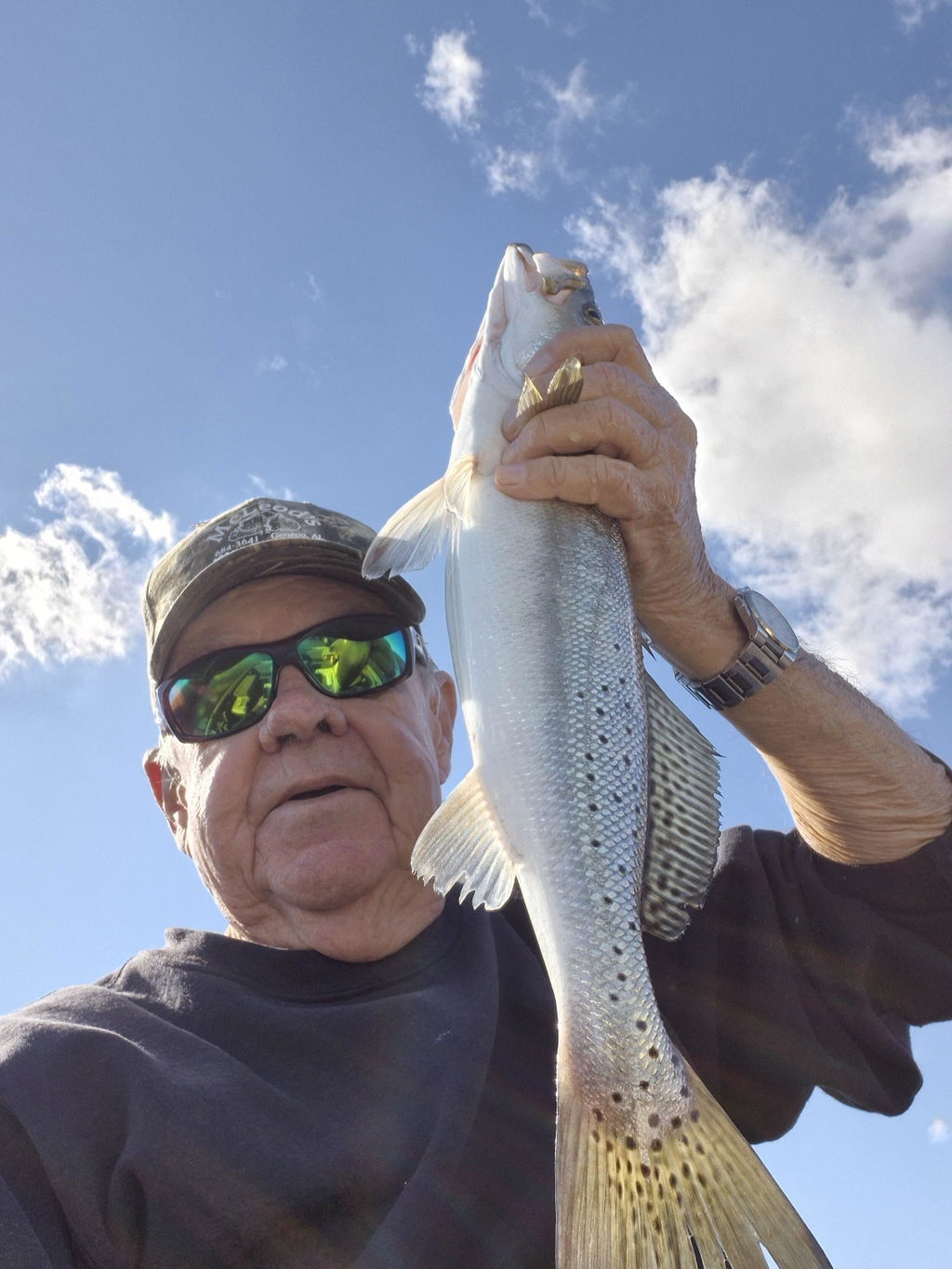
Shipping was quick and reasonable shipping rates.price of merchandise I ordered was below big box stores and more importantly He had it in stock.
I was very sstisfied.
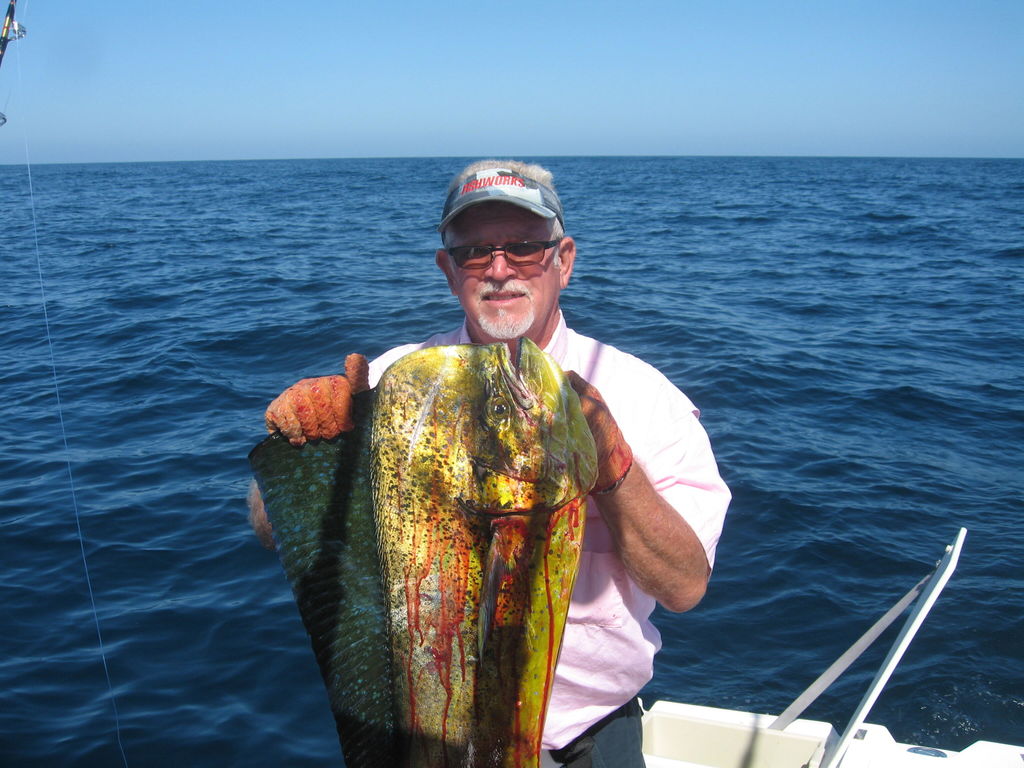
love the set up, I have not rigged them up yet but I can't what to try them on some of my new Lure's, I don't what to miss a FISH this year.
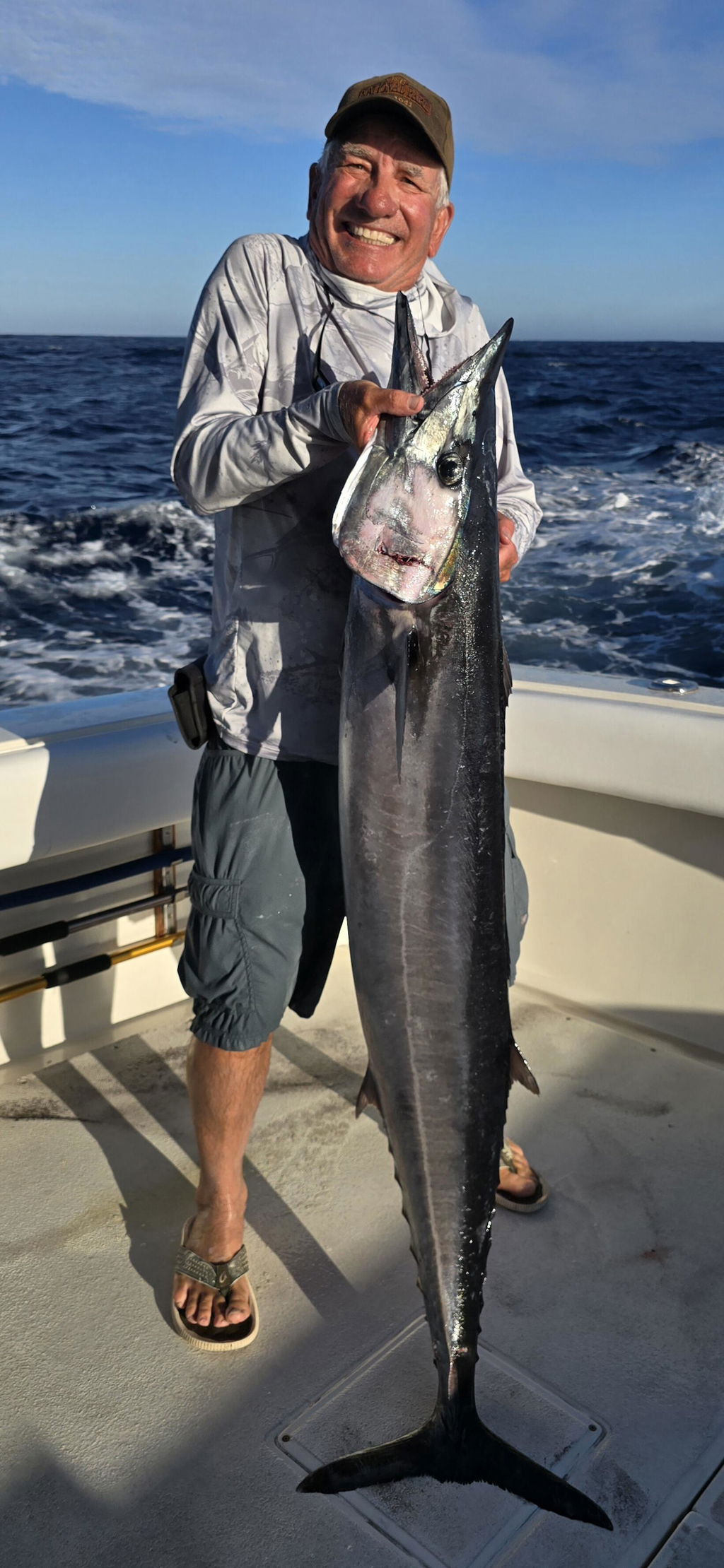
I ordered bulk line and received it in a timely manner.Great company and I will order more fishing tackle as needed..Capt.Tom
I use it for more then jigs it takes place of circle clips and swivels
Great service and on-time delivery
Even received a phone call mentioning that I had my order placed twice so that I could actually get it straightened out and received exactly what I asked for
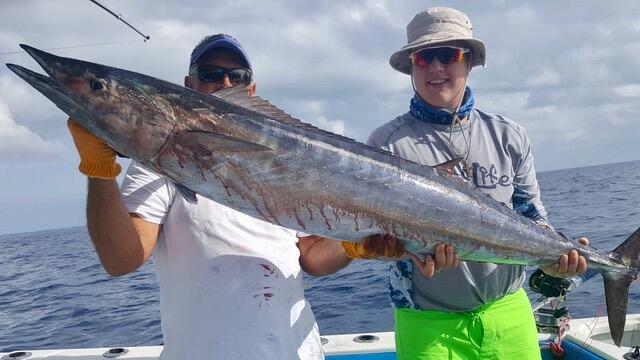
Best UV Sea Witch hair available. Measure out the hair on scale prior to tying. That way it is balanced out. Capt. Ryan Van Fleet Good Karma Sportfishing-Florida Keys. Wahoo love this stuff.

Used this differently than its intended design. I made raft oars counter balances from them. Previously used steel 4lb mounted on the exterior near the grips. These I was able to install into the shaft and at 5lbs was able to get the weight away from the grips. Both oars took about 30 minutes. Another bonus is the seller got the weights to me in 4 days vice 12 Amazon predicted.
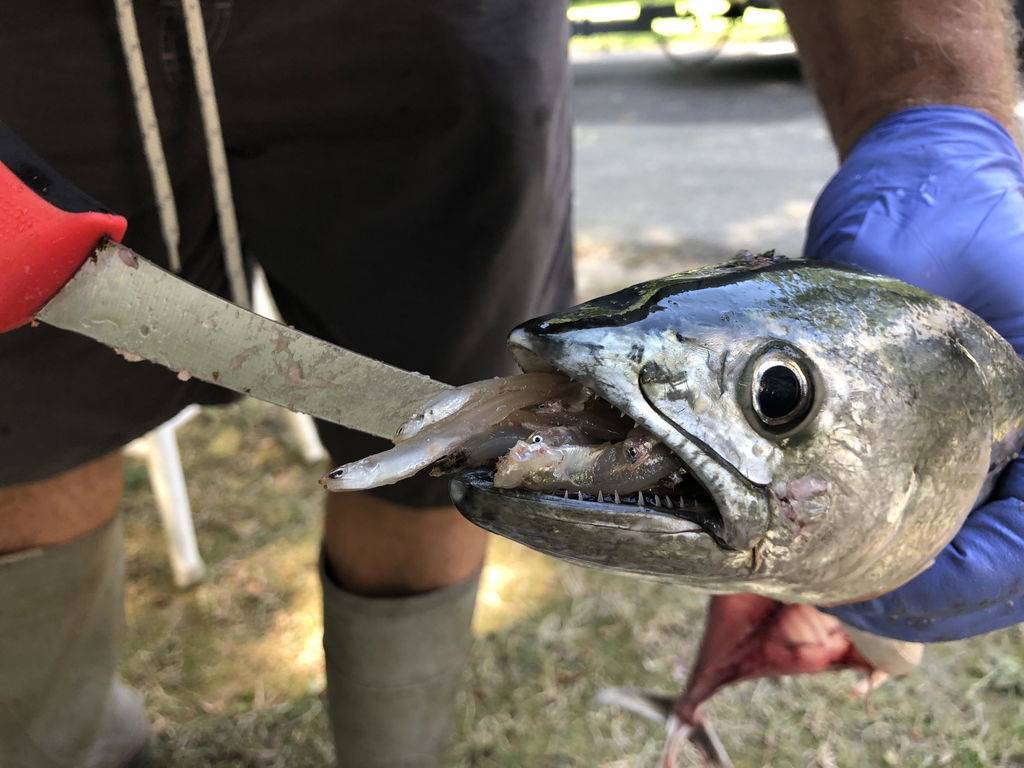
Used these jigs this week and crushed the bonito on the east coast. This is a good bait to mimic the small bait fish in our area. Also great pack for a 2 pack. I bought a few different colors.
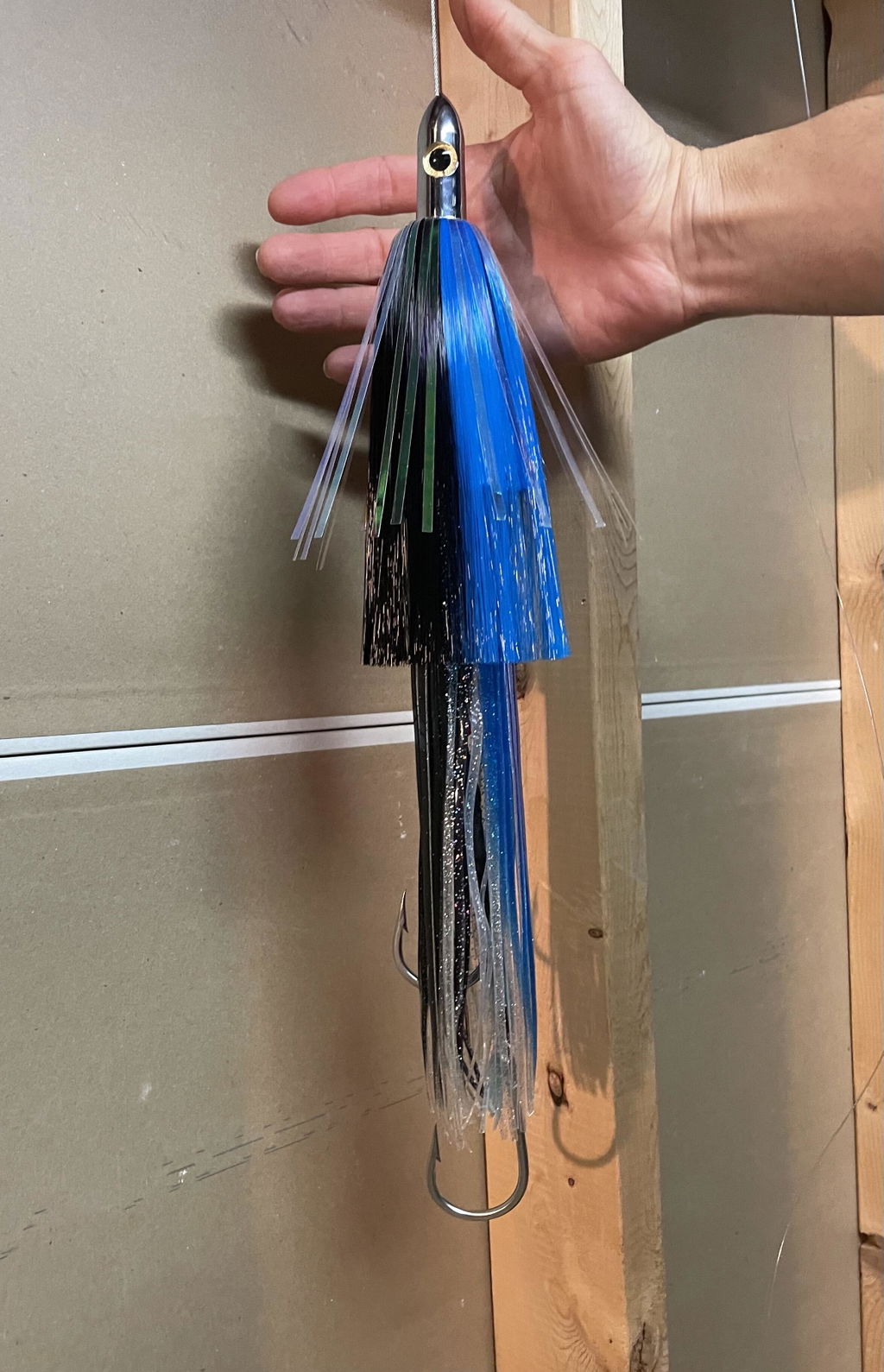
These are the best looking skirts. They’re also effective and durable.
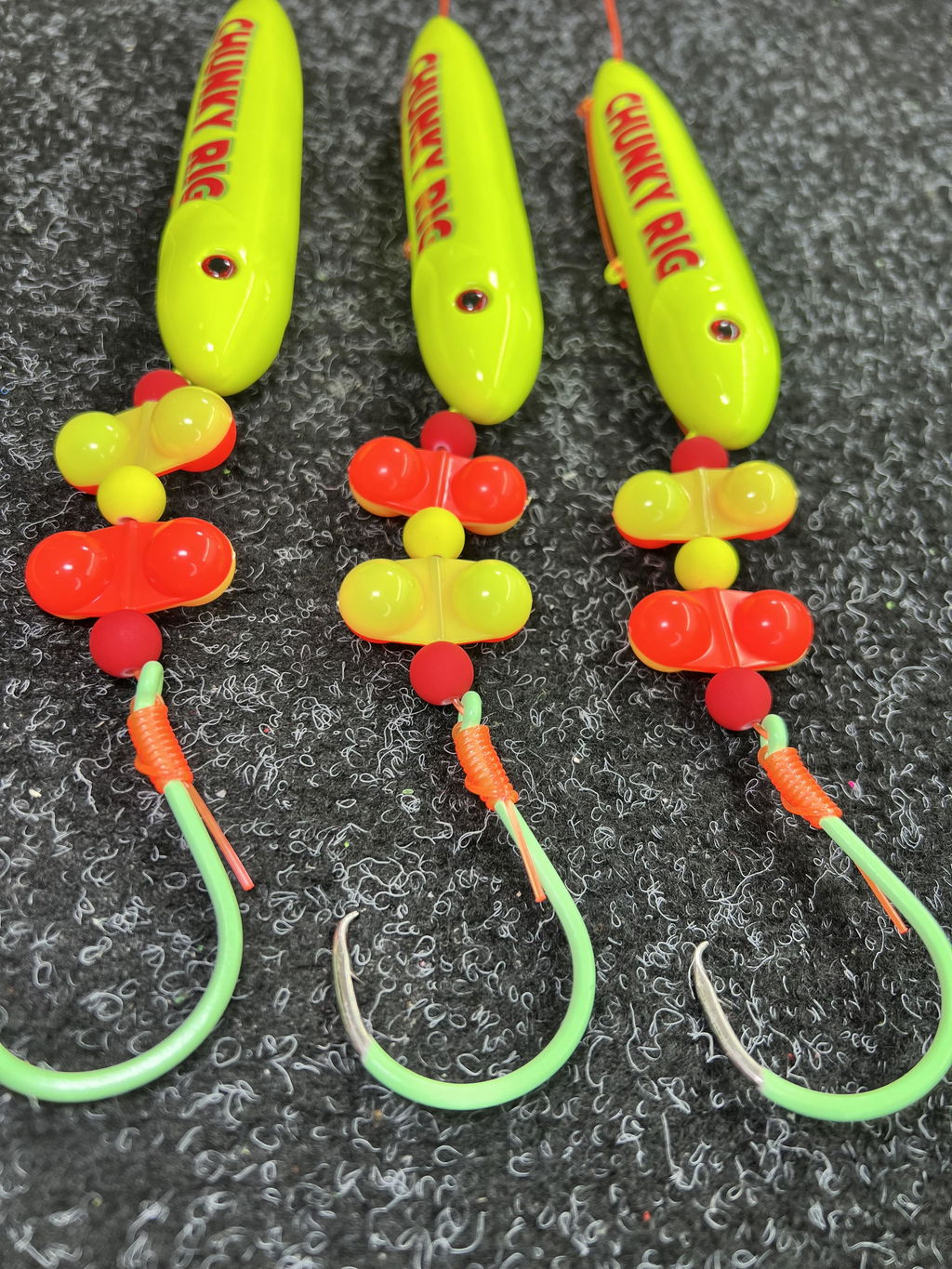
Absolutely by far the best leader line I have used on my Rigs
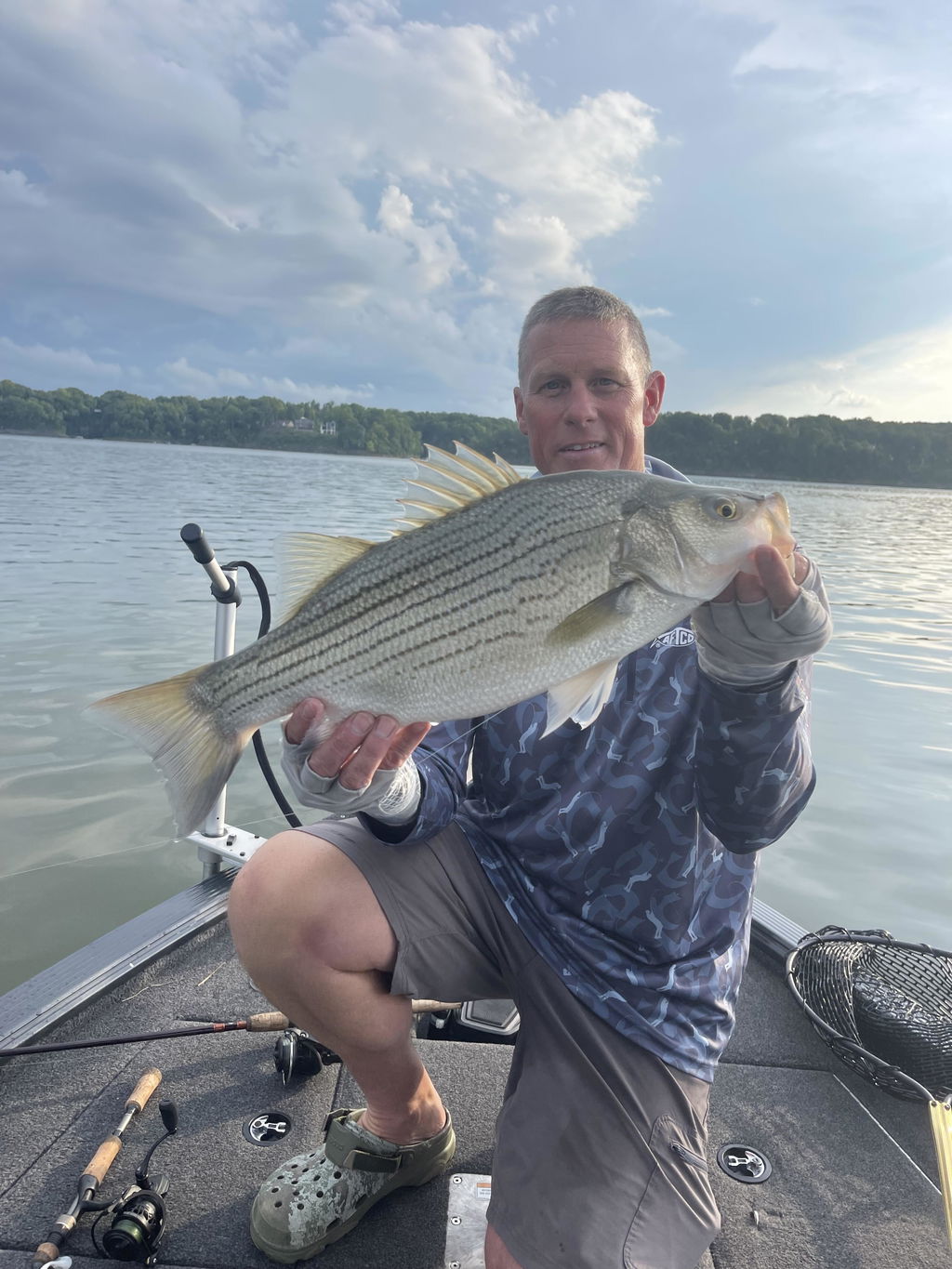
Purchased these and first trip out boated several very nice Hybrids. The fish were in 5-7lb range. The bait falls fast and the hooks are very sharp for solid hook ups. Glad I had an extra one because I gave it to my buddy in the boat and he immediately hooked up. These baits worked so well, I ordered several more. I also referred several of my friends to the site to order this bait.
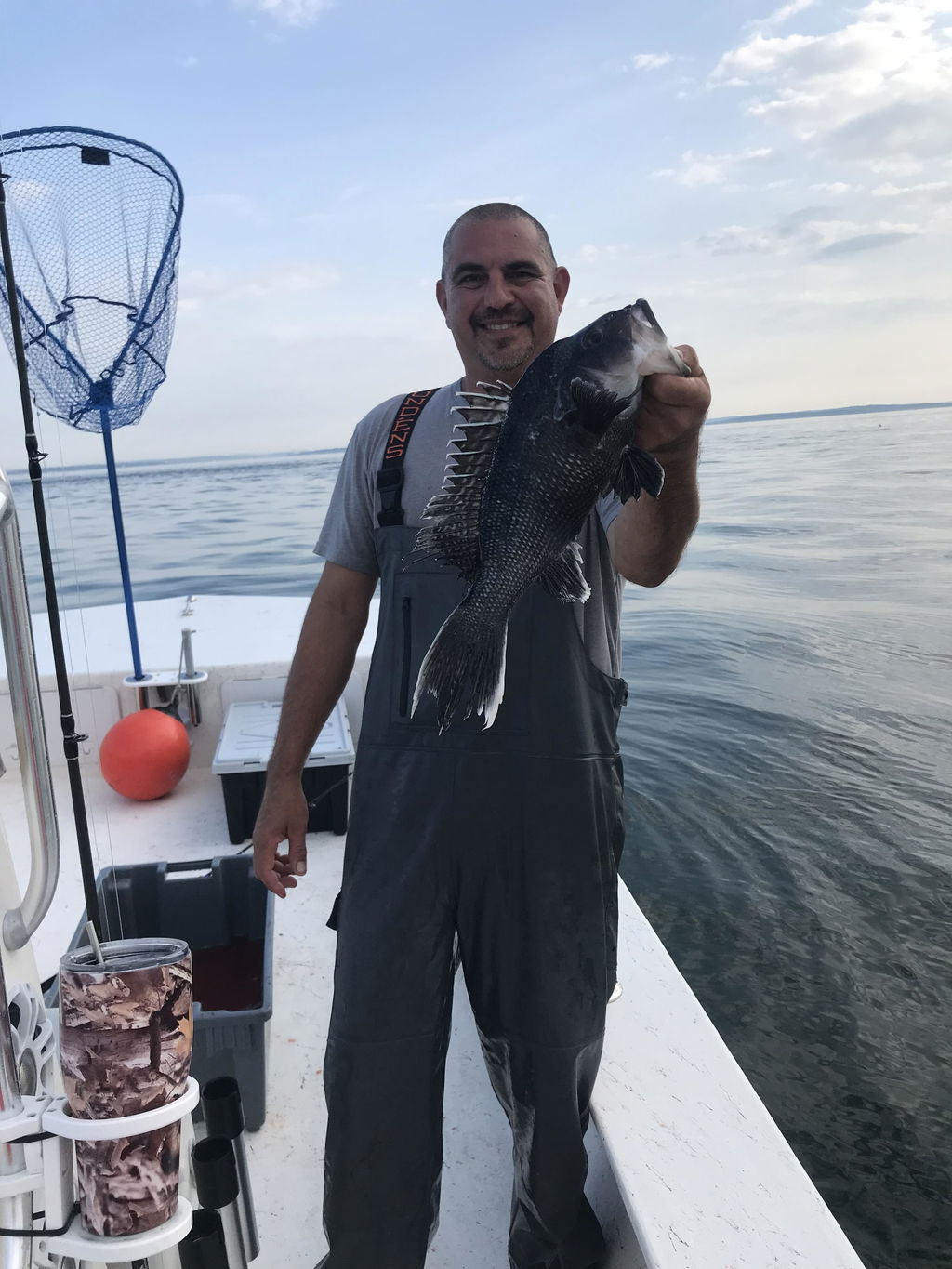
Caught limit on sea bass first day using lures. Highly recommend!
Build 10 Sea Witches for Under $5 in Hair
That means you can fish aggressively, swap colors constantly, and not stress when a wahoo shreds your skirt.
UV-Infused Fiber
7" Pre-Cut Length
Bulk Pricing That Makes Sense
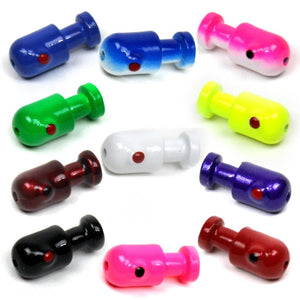
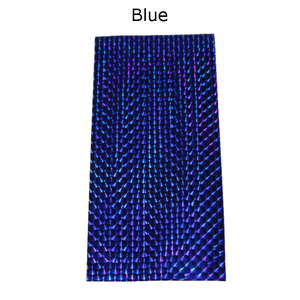
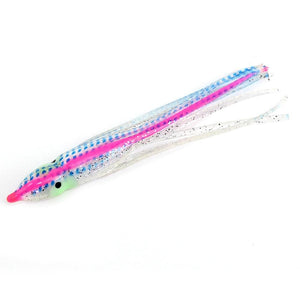
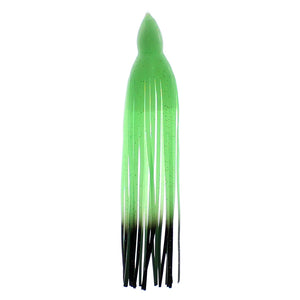
How to Tie UV Sea Witch Hair onto a Lure Head
1. Select a sea witch head that fits your target species
2. Thread your leader through the head
3. Take a pinch of UV hair (about 1/10 oz) and fold it over the leader
4. Wrap tightly with waxed rigging thread at the base of the head
5. Trim the skirt to your preferred length
6. Add your hook and crimp the leader
Specs & Common Questions
Everything you need to know before you buy
Full Specifications +
| Brand | Epic Fishing Co. |
| Material | UV-Infused Nylon |
| Fiber Length | 7" |
| 1oz Yield | ~10 lures |
| Bundle Price | $4.19 / oz |
| Full Hank Price | $44.99 |
| Colors | Black, blue, red, pink, chartreuse, green, crystal, carolina blue, purple |