

Fishing Jigs - Vertical, Slow-Pitch, and Bottom Jigs
Drop jigs on structure, work the water column, and put fish in the box. Built for offshore wrecks, ledges, and deep structure from 80 to 500 grams.
Shop Fishing Jigs
-
 Sold out
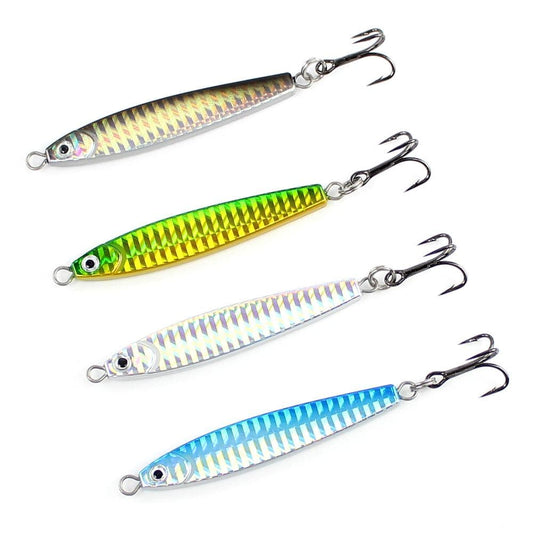
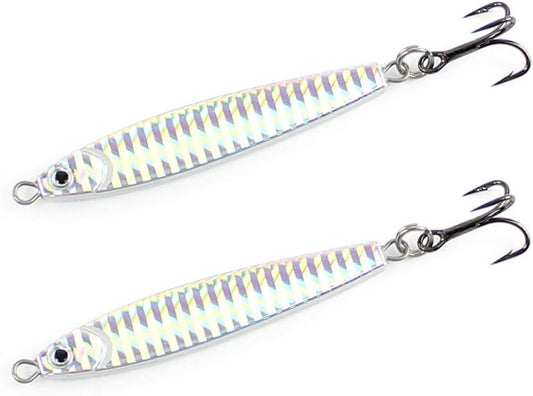
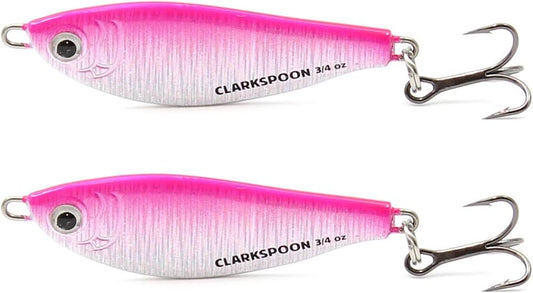
Clarkspoon Stick Jigs | 2 Pack
Regular price $12.50 USDRegular price -
 Sold out
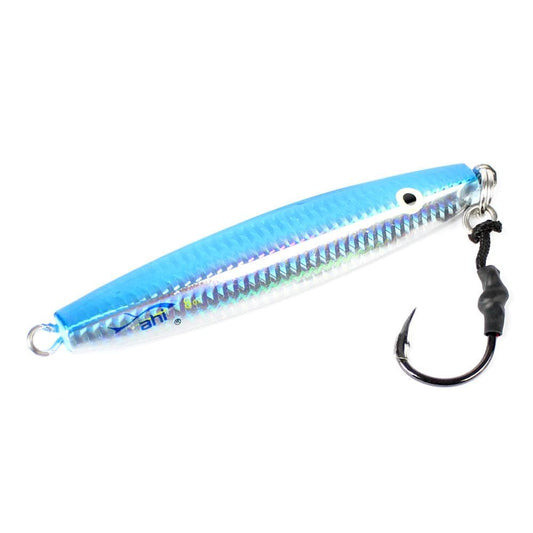
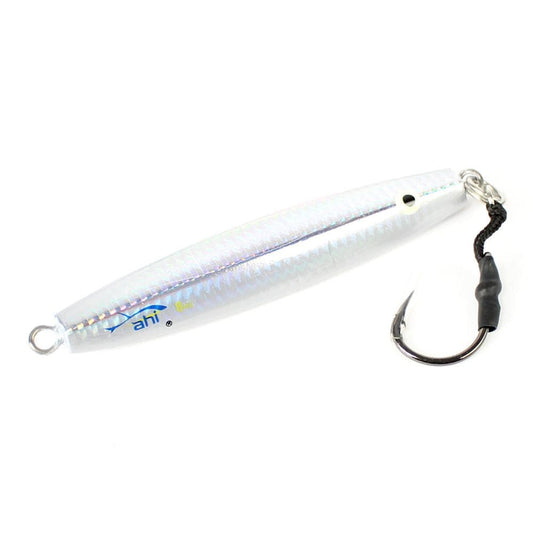
Ahi Assault Diamond Jigs
Regular price From $9.99 USDRegular price$19.99 USDSale price From $9.99 USDSold out -
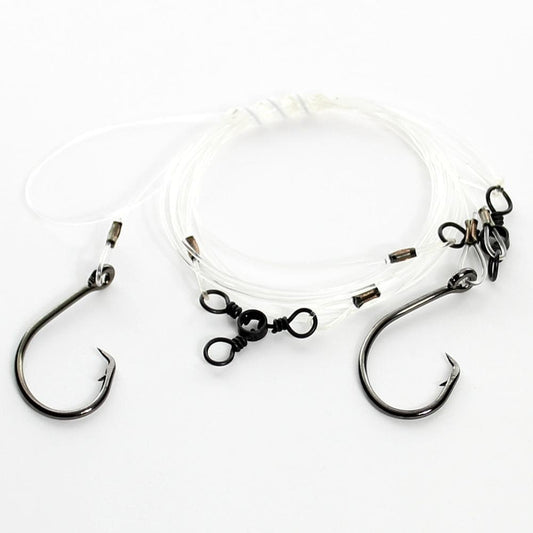
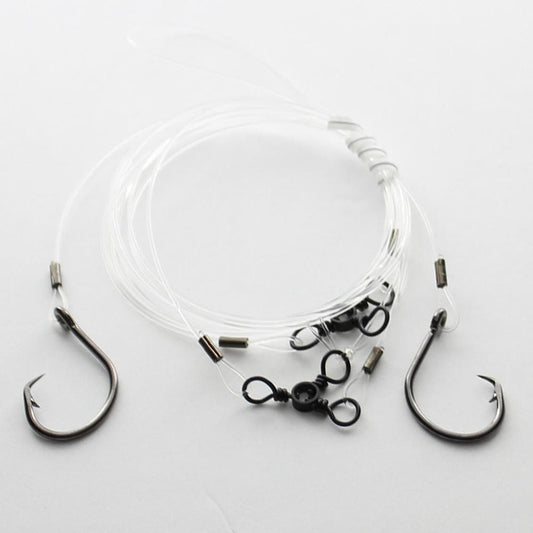
Bottom Rigs by Epic Fishing Co - 3 Pack
Regular price From $14.99 USDRegular price -
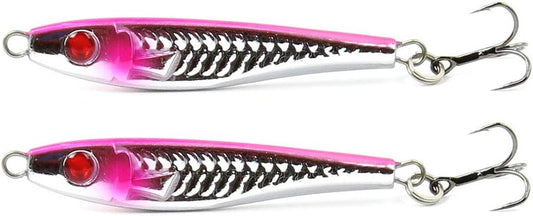
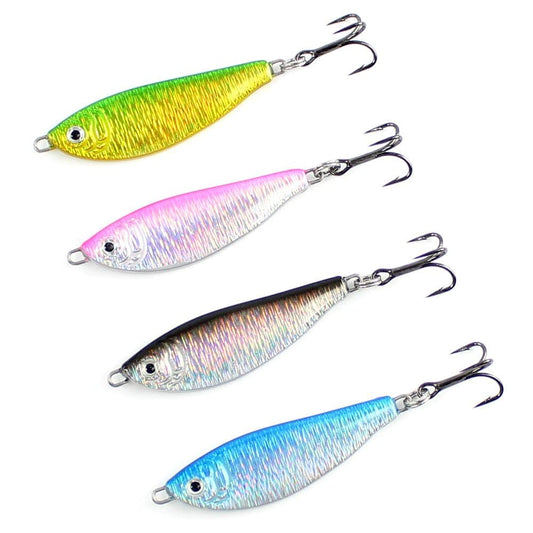
Clarkspoon Shad Jigs - 2 Pack Bucktail Jig - King Mackerel Bluefish Inshore Fishing
Regular price From $15.99 USDRegular price -
 Sold out
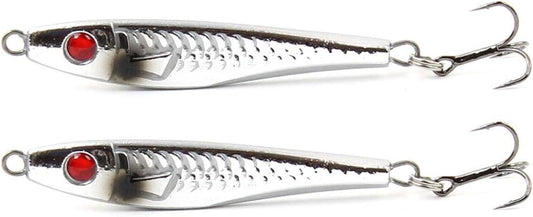
Clarkspoon Chrome Jigs | 2 Pack
Regular price $12.50 USDRegular price -
Flarehawk Bucktail Jigs | R&R Tackle
Regular price $3.99 USDRegular price -
Prime Bucktail Jig from Spro Bucktails
Regular price From $5.39 USDRegular price -
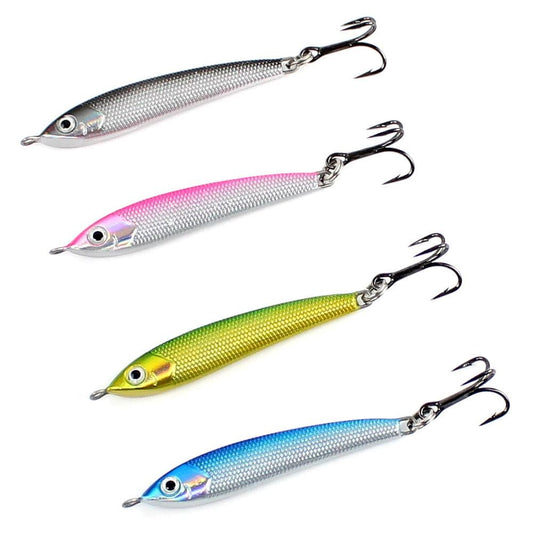
Epic Casting Jig | 2 Pack
Regular price $9.99 USDRegular price$15.99 USDSale price $9.99 USDSale -
 Sold out
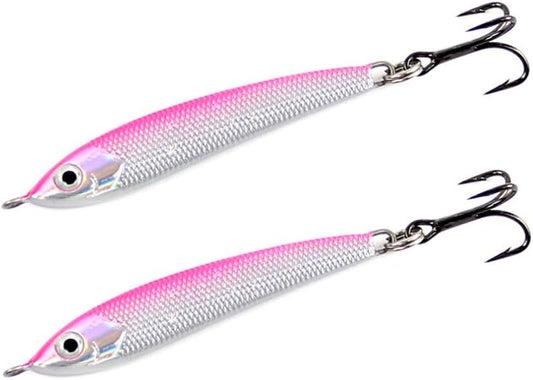
Clarkspoon Minnow Jigs | 2 Pack
Regular price $9.99 USDRegular price -
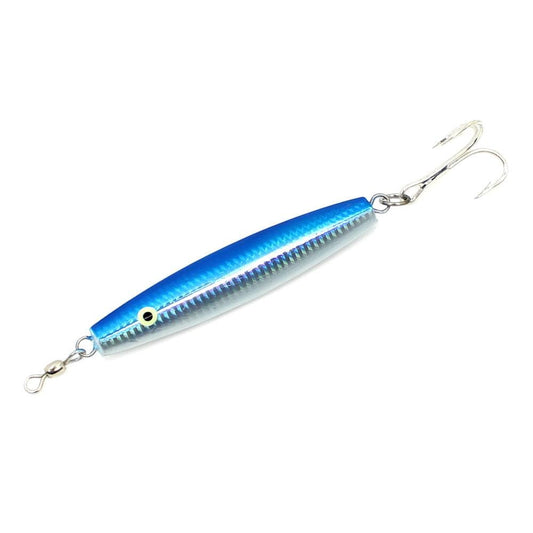
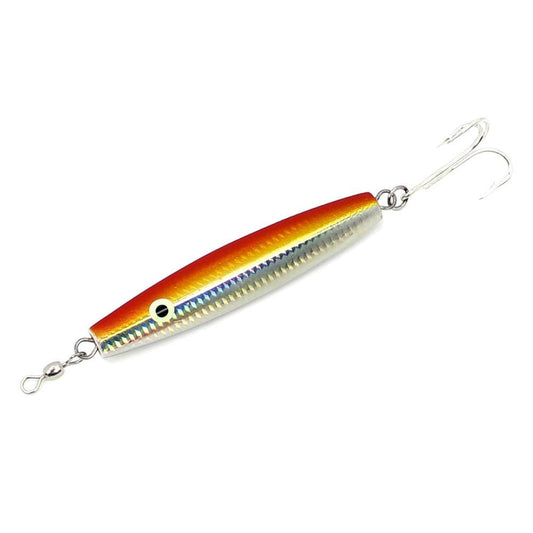 Sold out
Ahi Diamond Jigs - Treble Hook
Regular price From $9.99 USDRegular price$10.49 USDSale price From $9.99 USDSold out -
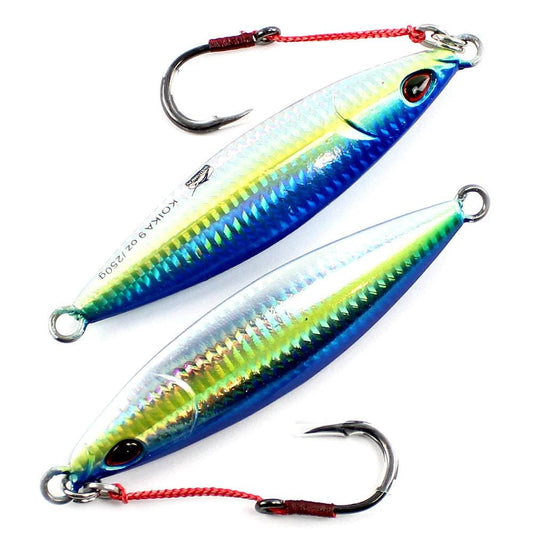
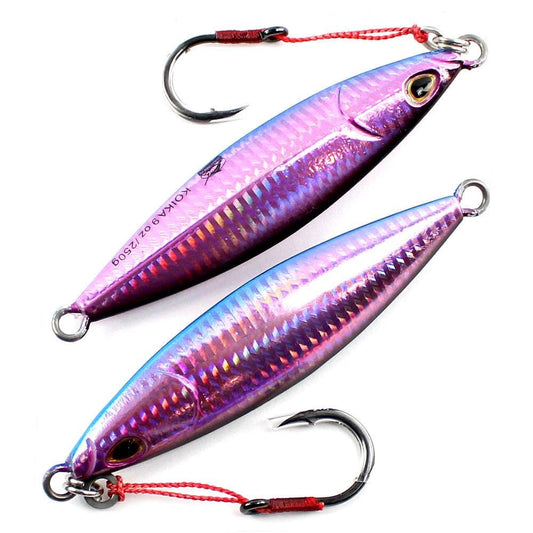 Sold out
Williamson Koika Jig
Regular price From $12.79 USDRegular price$15.99 USDSale price From $12.79 USDSold out -
Williamson Vortex Jigs
Regular price From $14.99 USDRegular price
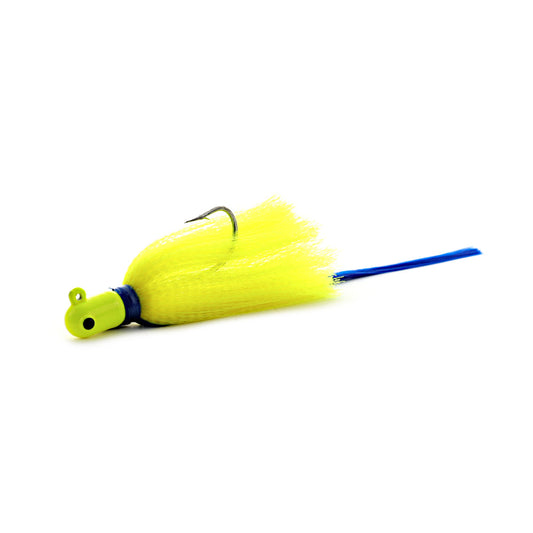
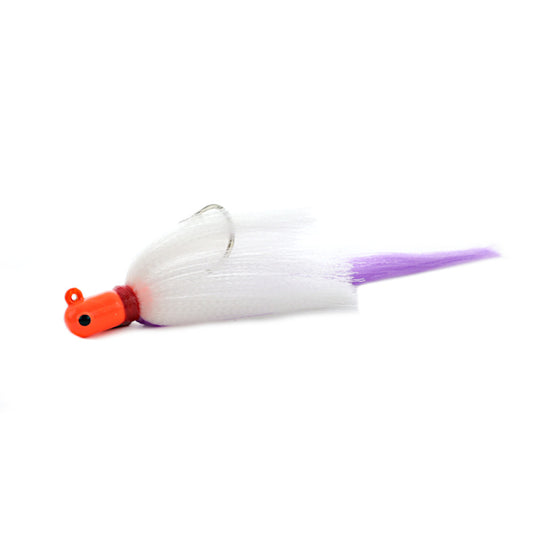
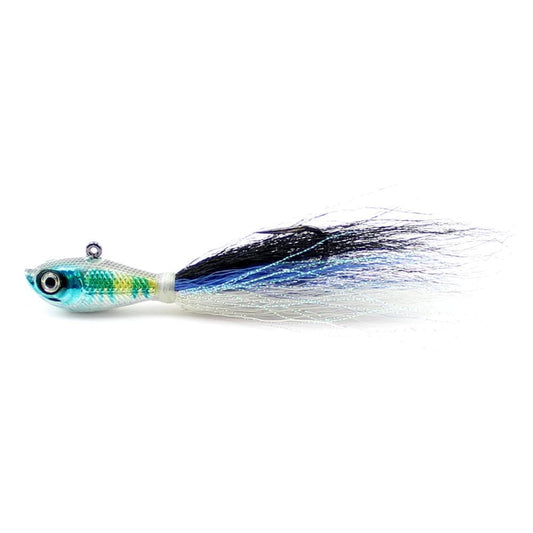
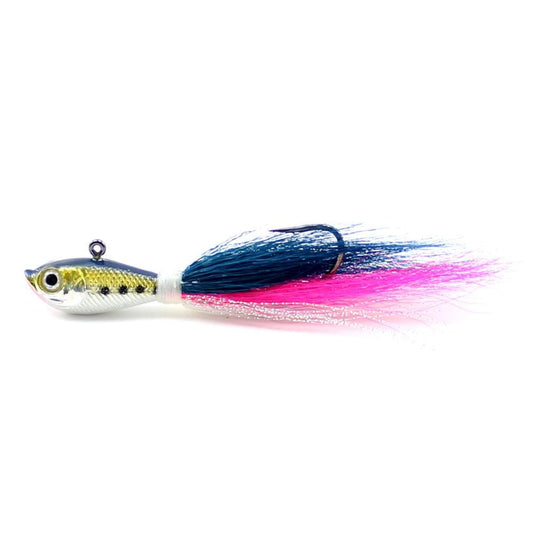
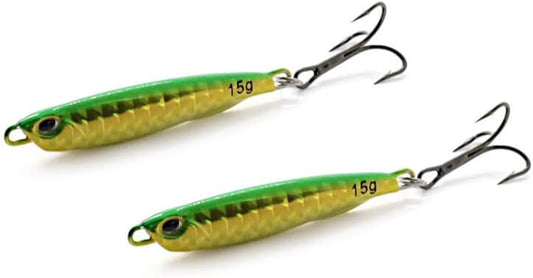
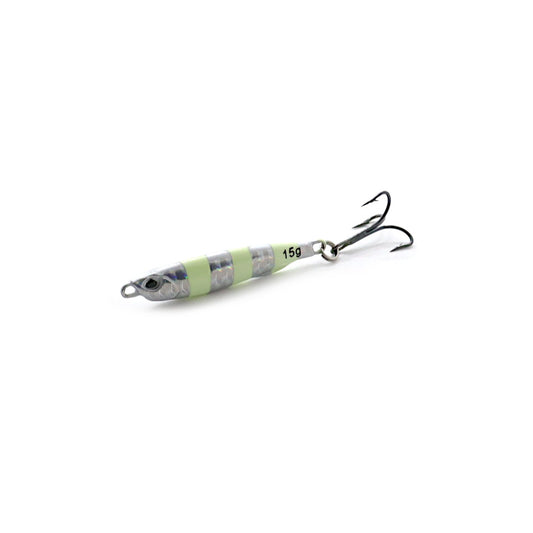
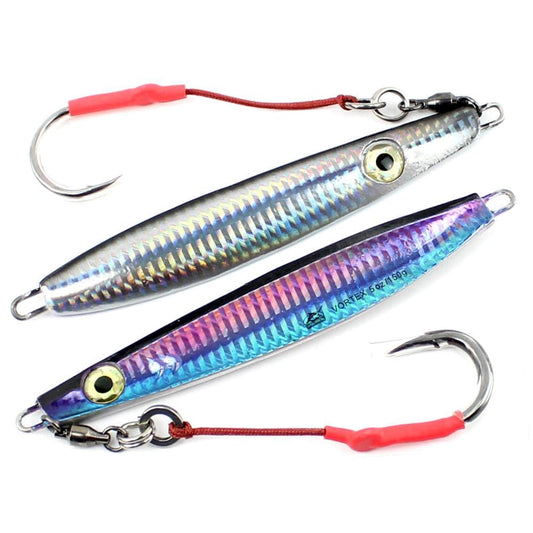
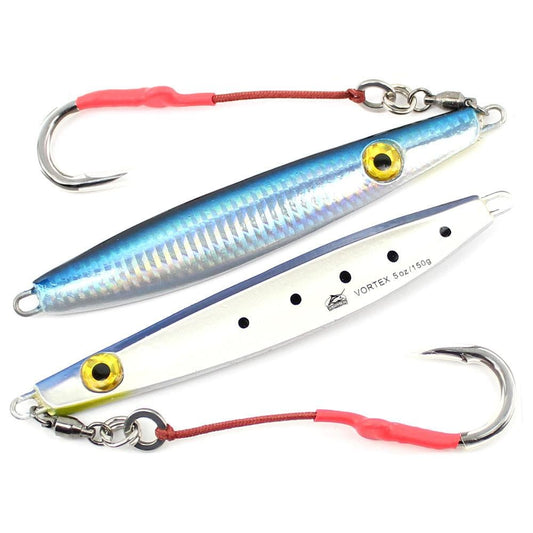
Drop Down and Load Up
Vertical jigs, slow-pitch jigs, and bucktails for every depth and species. Fishermen-Owned Tackle Shop.
Shop All JigsJigging Techniques That Catch Fish on Structure

Every Jig Style for Every Species
From fast vertical jigs that fire up amberjack to slow-pitch designs that flutter past grouper and snapper - we carry jigs built for saltwater structure fishing. Every jig in our inventory has been selected for action, durability, and hook quality. Multiple weights and colors in stock for every condition you will face offshore.
Fishing Jig FAQs
What weight jig should I use for offshore fishing?
Match jig weight to depth and current. For 100-200 feet in light current, use 100-200 gram jigs. For 200-400 feet or moderate current, go 200-350 grams. Deep structure (400+ feet) or heavy current requires 400-500 grams. The right weight maintains bottom contact and responds well to your rod work.
What is the difference between vertical jigging and slow-pitch jigging?
Vertical (speed) jigging uses fast, aggressive retrieves - high-speed cranking or aggressive rod pumps. It targets active predators like amberjack, tuna, and almaco jack. Slow-pitch jigging uses short, deliberate rod lifts to create a fluttering fall action. It targets bottom species like grouper, snapper, and tilefish that will not chase fast-moving presentations.
What species can I catch on jigs?
Just about any saltwater species that feeds on baitfish. Amberjack, yellowfin tuna, grouper, snapper, almaco jack, cobia, king mackerel, wahoo, and mahi all eat jigs. The technique and jig style determine which species you target - fast vertical jigs for pelagics, slow-pitch for bottom species, bucktails for everything in between.
What rod and reel do I need for jigging?
For vertical speed jigging, use a 5.5-6 foot medium-heavy jigging rod with a high-speed conventional reel (6:1+ gear ratio). For slow-pitch, use a dedicated slow-pitch rod (5-6 foot, moderate action) with a narrow-spool conventional reel. Spool with 30-50 lb braided line and 60-100 lb fluorocarbon leader.
Can I use jigs for bottom fishing?
Yes. Slow-pitch jigs and bucktail jigs are excellent for bottom fishing on wrecks, ledges, and natural structure. The jig is an active presentation that often outproduces cut bait when fish are being picky. For deep bottom fishing, pair jigs with deep drop weights when you need extra weight to hold position.
What jig colors work best?
Silver, blue/silver, pink, and glow (for deep or low-light conditions) are the most versatile colors. Silver and blue/silver mimic baitfish in most conditions. Pink is a top producer for amberjack and tuna. Glow jigs shine in deep water (300+ feet) where light does not penetrate. Start with silver and pink, then add colors based on local conditions.
How deep can I jig?
With the right jig weight and braided line, you can effectively jig to 500+ feet. The practical limit depends on current - in strong current, even heavy jigs cannot maintain bottom contact much past 400 feet. For extreme depths, switch to deep drop rigs with heavy lead weights and natural bait instead of jigging.
Load Up on Jigs for Your Next Trip
Vertical jigs, slow-pitch jigs, and bucktails. Packed by a real tackle shop.
Shop Fishing Jigs